A familiar con with a new face
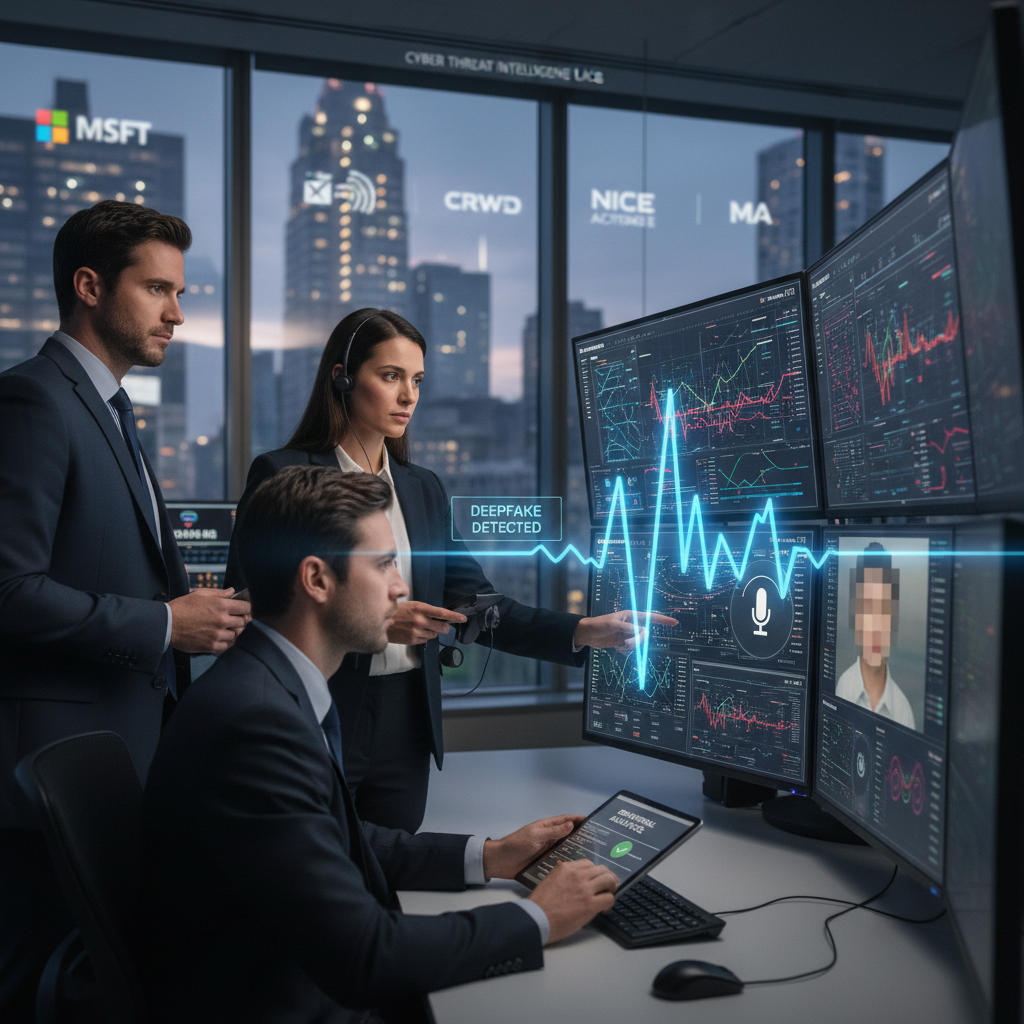
Call-center scams are old hat. The new problem is the voice on the line. Over the past year, fraud teams at major banks have reported many more attempts where adversaries use AI-synthesized voices to pose as customers, relatives or executives and approve transfers.
Why this matters
- It takes only a few seconds of audio to build a convincing voice clone, so the technical barrier is suddenly very low.
- What used to sound like a clumsy replay now carries variable inflection, natural pauses, even emotional cues. It feels human.
- The risk goes beyond simple phone calls. Account-recovery processes, IVR menus and frontline agents are all being probed.
What’s interesting here is how quickly attackers adapt. Once a cheap tool drops the cost of impersonation, they move in—fast.
How banks are responding (and the trade-offs)
- Adding layered voice-biometrics that check for liveness and spectral oddities instead of relying on a simple match.
- Feeding session context, transaction history and device signals into behavioral analytics to detect anomalies in real time.
- Introducing stepped-up verification — challenge-response phrases, ephemeral PINs or short holdbacks for high-risk transactions.
Those are sensible moves. But they bring costs. Increased friction reduces fraud, yes, but it also frustrates customers and clips conversion. Expect more false positives and longer service calls — the very channels attackers try to exploit.
A tech and policy ripple
This isn’t just an engineering headache. Regulators and industry bodies are starting to ask hard questions. Firms that trail on detectable defenses could soon be explaining to auditors why they didn’t apply reasonable safeguards against synthetic-identity and voice fraud.
There are thorny privacy and fairness issues too. Audio biometrics behave differently across accents, ages and recording setups, so added checks can unequally burden some customers. And for privacy advocates, broad biometric indexing smells dangerously like surveillance.
Who’s likely to gain or lose
- Vendors that build reliable liveness detection and contextual signals will be in demand.
- Banks and payment networks that can weave low-friction secondary checks into the customer journey will hold onto more business.
- Organizations that prioritize convenience over better verification risk higher fraud losses and regulatory heat.
Practical steps — for institutions and for people
For banks:
- Use layered defenses: voice-liveness, behavioral analytics and step-up authentication on risky flows.
- Capture call metadata and device telemetry; correlate those signals in real time.
- Train agents to spot red flags and use short, randomized challenge phrases that attackers cannot pre-generate.
For consumers:
- If a caller asks you to move money or reveal credentials, hang up and call back using a number you trust.
- Avoid posting long voice clips publicly, and review permissions on smart speakers and voice-activated apps.
A short historical frame
Think of this as the next iteration of spoofed emails and synthetic identities. The trojan horse learned to speak. As before, attackers chase the path of least resistance — and when the cost of impersonation drops, activity spikes.
The short verdict
Voice deepfakes are a clear, present risk for financial services. They are not unbeatable, but the response will be messy for a while: more friction for some customers, better anomaly detection under the hood, and an ongoing legal and policy debate about how far biometric defenses should go. Institutions that strike a reasoned balance between security, privacy and usability will reduce losses and, eventually, earn trust.