What happened
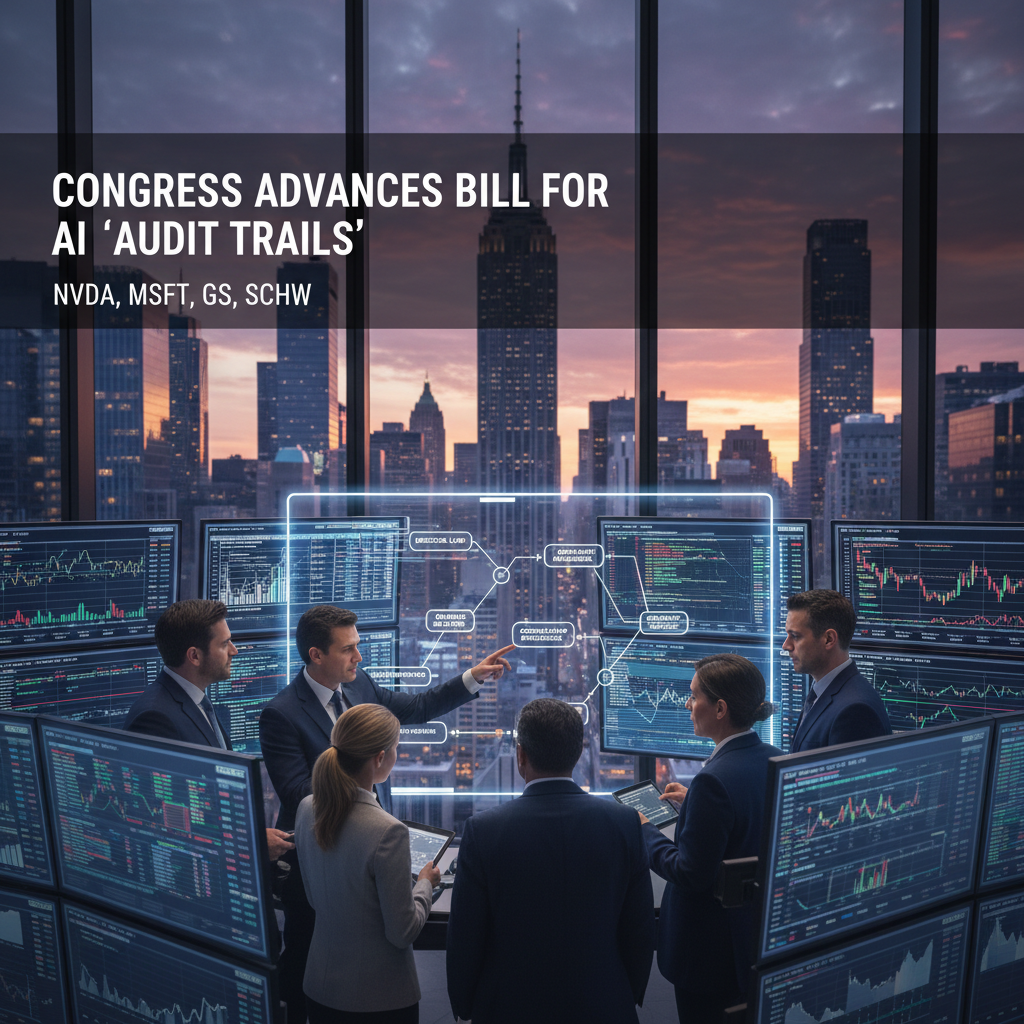
A bipartisan group in Congress moved fast today to push through a bill that would force firms running AI-driven trading systems to keep tamper-evident audit trails — model inputs, decision paths and deployment logs — for any algorithm that can materially move U.S. markets. Markets and policy circles were caught off guard: this isn’t a gentle nudge. It’s an operational requirement aimed squarely at traders, brokers and the cloud stacks under them.
Why it matters
- Transparency for turbulence. Lawmakers argue the point is to prevent flash crashes and hidden feedback loops when opaque models interact across exchanges. Picture a black box that’s compelled to leave fingerprints.
- Operational headache. For quants and smaller shops this isn’t just a compliance checkbox. Expect new logging, encryption and storage work — real engineering changes to how models are built and shipped.
- Cloud winners and losers. Big cloud providers that can bundle compliant telemetry into their stacks will have an edge; smaller platforms risk being squeezed or bought out.
A quick history lesson
Regulators have been adapting market rules for decades — circuit breakers after the 2010 flash crash, tighter order-routing rules since. This draft treats AI-driven decisioning like a market participant that needs an audit trail, not a proprietary black box immune from oversight. It feels like the next chapter in a long-running saga.
How traders and fintechs are reacting
Some senior quants privately call it overdue — a sensible check against brittle models. Others worry it will push activity offshore or into bespoke OTC venues where U.S. jurisdiction is weaker. Expect legal teams, cloud architects and compliance officers to be swamped for months.
Market implications — short and blunt
- Near term: volatility around cloud vendors and broker-dealers as investors price in compliance costs.
- Medium term: consolidation in market infrastructure — firms that can supply certified telemetry and audit tools become logical acquisition targets.
- Long term: higher barriers for nimble, research-driven shops unless productized compliance tooling appears to level the playing field.
Why the bill could still change
Committee drafts acknowledge trade-secret concerns and propose carve-outs for proprietary model internals — but only if independent auditors can verify outputs without exposing algorithms. It’s an uneasy compromise: some IP is protected, regulators still get the ability to reconstruct events after a market incident.
Next to watch
- Amendments that tighten or loosen the definition of “market-moving” — timing and thresholds will determine how many firms are swept up.
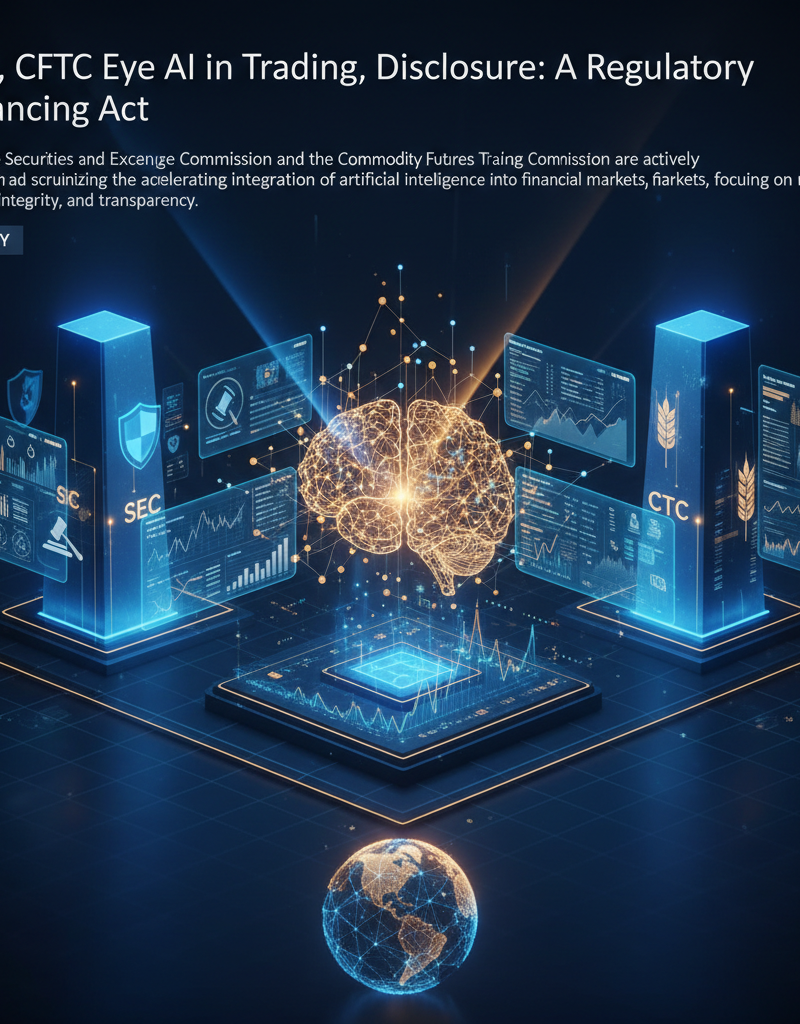
- The turf fight over whether the SEC or the CFTC leads enforcement — that choice will shape tone and reach.
- Cloud providers’ compliance product announcements; expect vendor PR in the coming weeks.
If this passes
It would shift how AI and markets interact. Not by stopping innovation — quants will keep pushing — but by changing how they package and prove their work: secrecy and speed traded for accountability and logs. That could make plumbing safer and create a new kind of moat for firms that can turn compliance into a product.
Pedro Marini reports on the crossroads of finance and AI. He’s skeptical of one-size-fits-all rules, but thinks accountability beats opaque speed when market stability is at stake.