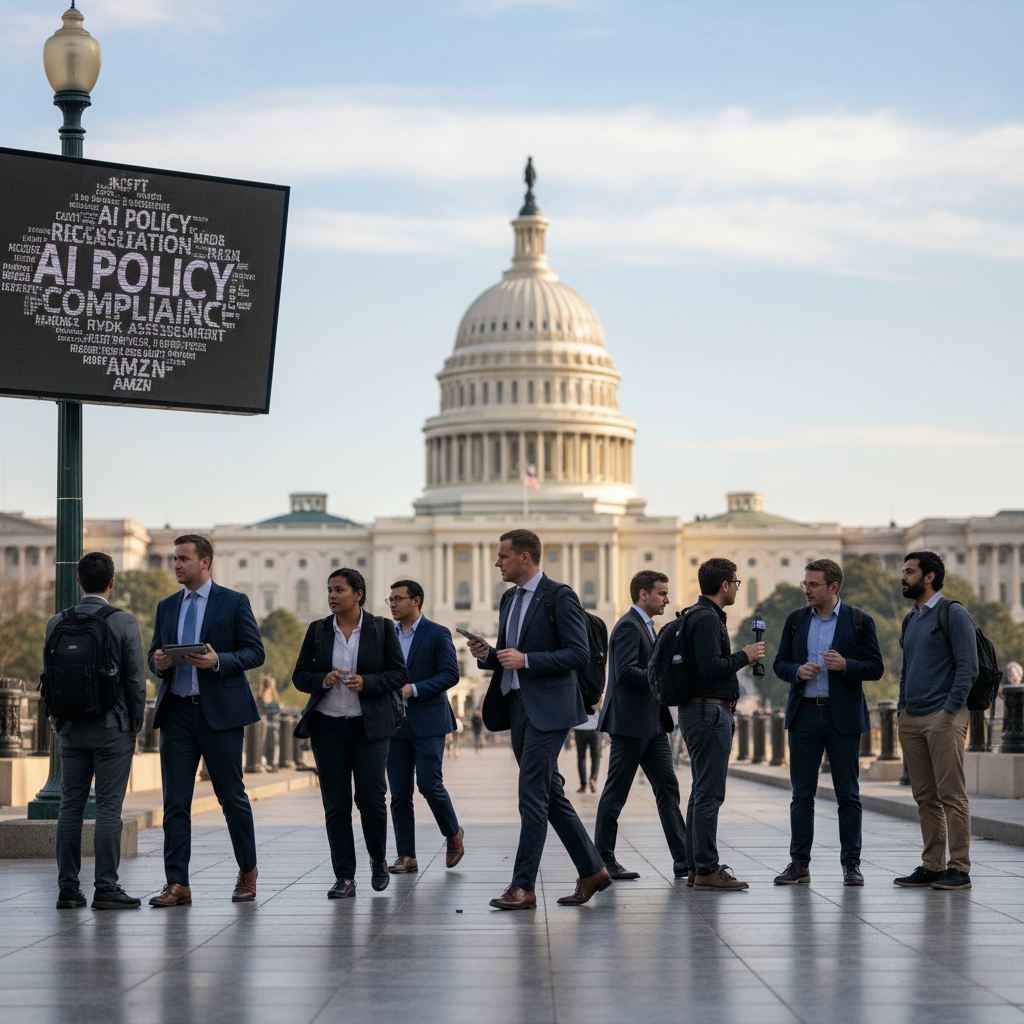
The moment feels familiar — regulation playing catch-up with technology, trying to corral something that moves faster than the law. This time, though, Congress is circling the models themselves, not just particular uses. Bipartisan bills and committee briefings would force audits, registration and risk assessments for powerful systems.
Why this matters now
- Scale and evidence. Large language models and generative systems have crept into search, content creation and customer service. Hallucinations, biased outputs and cases of deceptive advertising have turned these from academic worries into political ones.
- A patchwork risk. If states move in different directions, nationwide compliance becomes a mess. A federal baseline could simplify that — but it also raises the bar for everyone.
What lawmakers are proposing (and how it would work)
- Model registration: Companies would register large or high-impact models with a federal registry. It’s roughly analogous to aircraft certification or clinical trials — a way to force disclosure about capabilities and limits.
- Third-party audits and model cards: Independent evaluators would test for harms — bias, safety, cybersecurity — and firms would publish summary findings for regulators, and sometimes the public.
- Watermarking and provenance: Digital labels for AI outputs may be required to curb deception. That helps, but adversarial attacks and skilled mimicry make watermarking an imperfect fix.
Winners and losers
- Incumbents with deep pockets: Big cloud providers and vertically integrated firms — Microsoft (MSFT), Google (GOOGL), Amazon (AMZN) — can absorb compliance costs, host audits and sell certified tooling. Markets are already pricing some of this in.
- Startups under pressure: Small teams training novel models will find legal and operational burdens heavier. Expect consolidation, more licensing of third-party models, or pivots away from in-house training.
- Hardware suppliers: Sellers of GPUs and accelerators, notably Nvidia (NVDA), should see steady demand — audits and certification don’t cut compute needs; often they increase enterprise appetite for auditable stacks.
An unexpected comparison
This debate feels less like the privacy fights and more like aviation safety: early bureaucracy bites, but it also builds trust that unlocks broader adoption. Raw capabilities get turned into certified products people are willing to buy and deploy.
Trade-offs and pushback
- Innovation versus safety. Industry warns that onerous rules could slow progress, especially for newcomers. Consumer advocates counter that without guardrails trust evaporates and adoption stalls anyway.
- Transparency versus trade secrets. Demands for disclosure collide with IP and national security concerns. Legislators are drafting narrow carve-outs, but carve-outs bring loopholes and uneven enforcement.
Practical moves for companies and investors
- Audit your supply chain. If you rely on third-party models, ask for model cards and audit histories.
- Budget for compliance. Legal, technical and audit costs need to be in product roadmaps now.
- Treat safety as a product differentiator. Firms that can certify behavior and explain limits will win more enterprise deals.
Why markets should care
Model-level rules will reshape capital flows and strategic choices. They favor firms already building control layers around models and force a rethink of the economics of training in-house. For investors, policy shifts can flip winners overnight; compliance may be a moat as well as a cost.
I don’t pretend there’s a single correct path. What’s clear is that policymakers have moved from curiosity to concrete proposals. The next 12–18 months will decide whether the U.S. opts for a flexible, risk-based approach or a stricter, disclosure-heavy regime. Either way, the contours of AI business models are about to change.
Pedro Marini