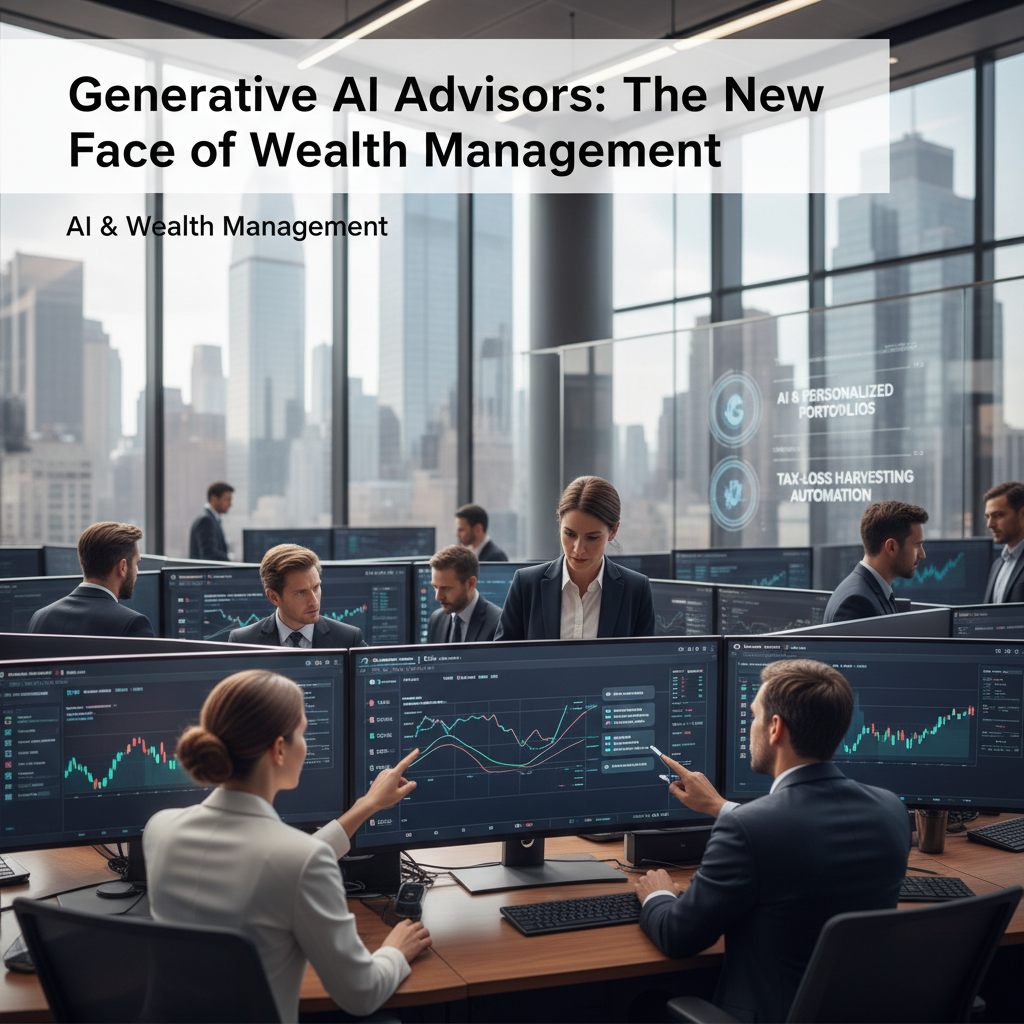
The moment feels familiar and different at once. Two decades after automated trading shook markets and a decade after robo-advisors made index investing cheap, something else is landing in wealth management: large language models are being stitched into workflows. And no, it’s not just about prettier client emails.
What firms are actually doing
- Turning portfolio data into plain-English narratives for clients; automating tax-loss harvesting signals; triaging client requests so a human only sees the noisy, high-value cases.
- In the back office, using models to reconcile odd alternative datasets, flag compliance gaps, and spin up personalized scenario analyses on demand — sometimes in seconds.
Why this matters for investors
- Personalization across many accounts. Classic robo-advisors matched risk profiles to ETFs. These models can fold in life events, tax status, even career-stage language to make recommendations feel tailored. That matters in ways that aren’t always obvious.
- Fee pressure. Faster, more automated workflows let firms claim they can do more for less. Expect arguments that justify lower fees — and pressure on legacy players to prove their premium.
- New operational hazards. Model drift, hallucinations, and data leaks are no longer abstract risks. They can generate bad advice or, worse, expose client information.
Things to keep in mind
- A better story is not the same as better advice. A persuasive plan can mask shaky assumptions. Clients often prefer a clear narrative to dry math; that can lead to overconfident portfolios if firms chase engagement.
- Humans aren’t obsolete. Not anywhere near. The likely short-term winner is the hybrid approach: machines for scale and pattern-spotting, people for judgment and trust.
Regulation and fiduciary duty
Regulators are already focused on algorithmic advice. Watch for scrutiny around:
- clear audit trails that show how a recommendation was produced
- what training data was used and how it was verified
- disclosures when advice is generated by a model rather than a person
This isn’t theoretical. A mispriced tax-loss move or a bad rollover recommendation can trigger liability and reputational fallout much faster today.
Who this helps and who is at risk
- Big asset managers and brokerages (BLK, MS, SCHW) will pour money into keeping control of client relationships and analytics.
- Smaller RIAs can punch above their weight by adopting turnkey AI that improves client touchpoints without hiring a dozen new advisors.
- Third-party vendors and cloud providers will become chokepoints for model quality, data lineage, and uptime. That creates concentration risk — and bargaining power for those vendors.
Practical steps for investors and advisors
- Ask firms to explain the logic behind recommendations and to show recent examples of human oversight.
- Demand clear disclosures about what data is shared, how long it’s kept, and who else can see it.
- Be skeptical of vendors promising flawless automation. Prefer measurable controls, escalation paths, and try things on a small scale first.
A quick historical frame
Automation cycles repeat: ticker tape, algorithmic trading, robo-advisors. Each brought efficiency and new failure modes. This layer adds narrative and context, not just execution. The real question: who controls that narrative, and can incentives be aligned so better storytelling actually means better outcomes?
My take
It’s going to be messy and valuable. The smartest firms will treat these models as instruments that amplify human judgment, not as substitutes that hide it. Investors should stay curious and cautious — and insist on clarity. After all, a good story about your money should never be the whole story.