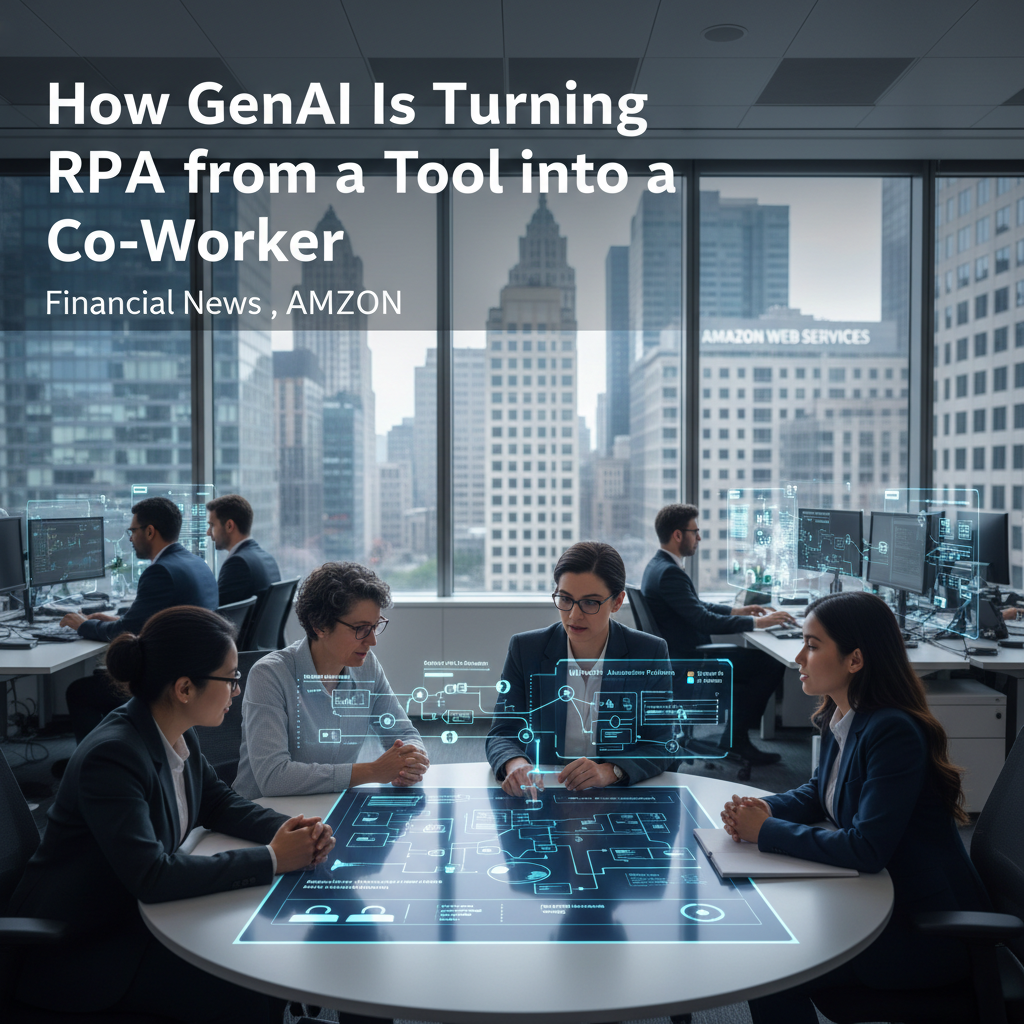
Automation has a new impulse: generative AI. What used to be rigid, rule-based robots are being rewired into context-aware agents that can read, write and make decisions inside workflows.
This is not a tweak. Think of it like the move from hand calculators to spreadsheets: the math didn't disappear, but the work did — and the skills that matter shifted. Early pilots at banks and contact centers suggest GenAI-augmented RPA is cutting routine cycle times, while also surfacing error modes that never showed up with deterministic bots.
Why this matters now
- GenAI libraries and low-code automation platforms are coming together: vendors such as UiPath and Microsoft are embedding large language models into orchestration and discovery tools.
- That lowers the bar for non-developers to build automations, but it also puts generative behavior inside mission-critical processes where confident-sounding mistakes and slow drift carry real business risk.
- For US firms under margin pressure the attraction is clear: faster handle times, fewer escalations, fewer manual handoffs.
Real-world signals
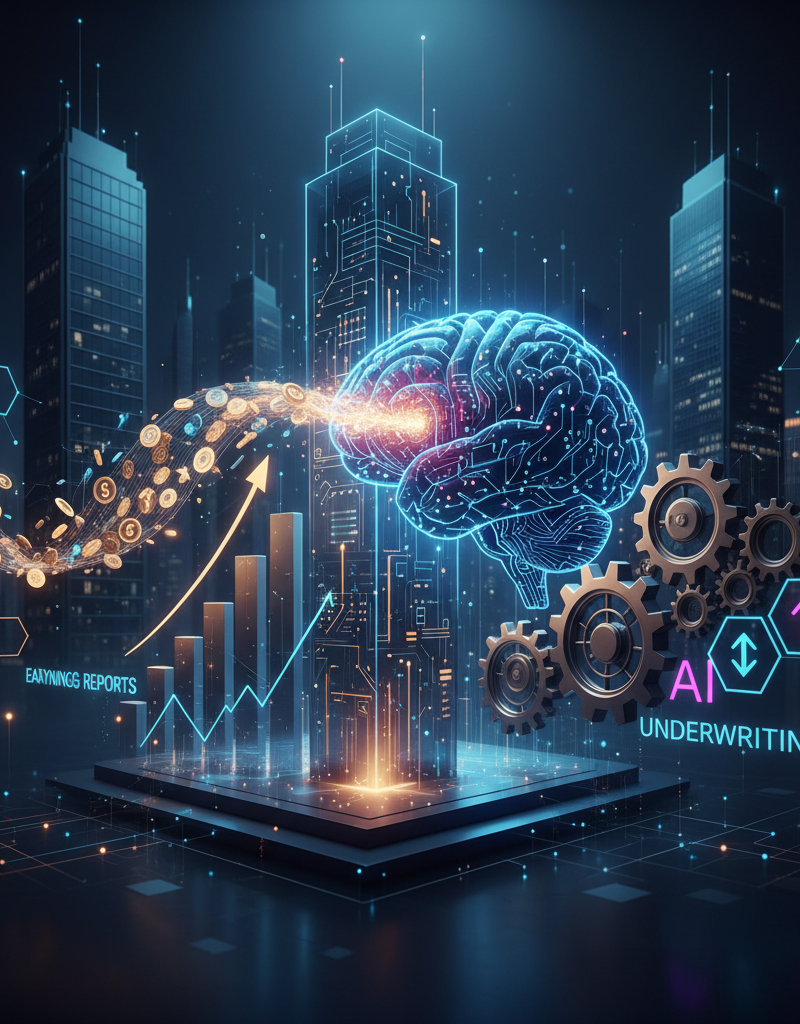
- Financial services pilots are using GenAI to summarize documents and populate underwriting cases, trimming review time by meaningful amounts in early tests.
- Customer service teams are pairing conversational AI with workflow automation to resolve tickets end-to-end instead of bouncing them back to humans.
These are practical wins, not lab demos. But there are tradeoffs.
The governance problem
Generative agents introduce a new class of error: outputs that sound plausible but are wrong. Unlike flaky sensors or brittle scripts, a model can invent details with confidence. That raises thorny questions about audit trails, liability and compliance.
Firms that sprint to deploy without guardrails are likely to pay regulatory and reputational prices. A wiser approach is slower rollouts with stronger validation, comprehensive logging and human checkpoints—yes, more friction up front, but fewer surprises later.
Jobs and the human layer
Automation anxiety is real. Still, the likeliest outcome is role rebalancing rather than wholesale elimination. Expect:
- fewer repetitive tasks; more oversight, exception handling and model-tuning work;
- new hybrids — automation analyst, AI workflow auditor — emerging in front-line teams;
- rising demand for judgment, negotiation and contextual interpretation, skills models struggle with.
One caveat: in low-margin operations some companies will opt for headcount cuts instead of costly reskilling. That’s a management choice, not a technical destiny.
What CIOs should do this quarter
- Pilot small and instrument everything. Measure not just time saved but error rates and customer outcomes.
- Treat models as components: version them, test them, and assign owners responsible for monitoring drift.
- Start upskilling adjacent teams now. Automation supervisors and compliance engineers will be scarce.
Market implications
Vendors that bridge RPA and AI could win big. Public players with deep enterprise footprints and established integration channels are well positioned to commercialize turn-key, AI-native automation.
At the same time, watch for overpromising. The sooner buyers demand transparent benchmarks, the faster real platforms separate from mere wrappers.
Put simply
Generative AI is not just a plugin for existing bots. It turns automation into a collaborative agent that requires governance, human oversight and a new operating model. Companies that treat this as a people-and-process challenge rather than a pure upgrade will capture most of the value.
Quick action plan
- Launch a three-month pilot on a single high-volume workflow.
- Define success across speed, accuracy and customer satisfaction.
- Assign a clear owner for model governance.
Stop thinking of bots only as labor savers. Treat them like teammates — with culture, training and rules.