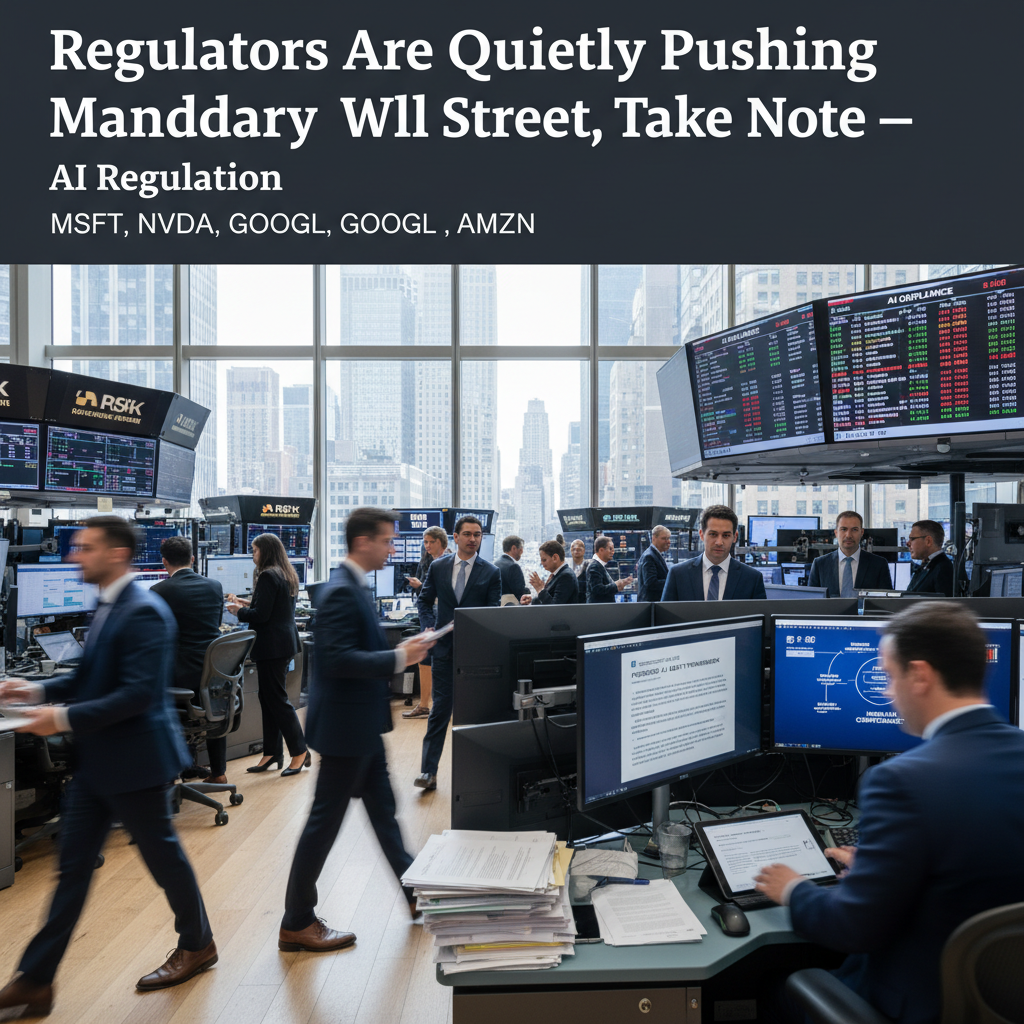
Policy is catching up with code. For months the U.S. debate around AI sounded like academic posturing and corporate PR. Now it feels more like plumbing — mandatory logs, auditable model lineage, third-party checks — things that boards and auditors will actually care about.
A handful of agencies and frameworks are nudging this forward: guidance from the Federal Trade Commission, the NIST AI Risk Management Framework, and repeated signals from the White House that risk-based guardrails are on the table. What’s interesting is that these moves point toward a regulatory architecture built around transparency, traceability and accountability rather than blunt bans.
Why this matters now
- Systemic risk meets consumer protection. Lenders, credit-scoring firms, ad platforms and health apps are increasingly driven by opaque models. Regulators worry about biased outcomes and cascading harms that are difficult to undo.
- Markets will price compliance. Cataloging systems, building model registries and hiring external auditors cost time and money. Expect compliance to squeeze margins for some players and to become a competitive moat for those who get it right early.
- European pressure speeds things up. The EU AI Act gave policymakers a working template for classifying high-risk systems. The U.S. probably won’t copy it exactly, but it will borrow what proves enforceable.
Concrete implications for companies and investors
- Model registries will become routine. Boards will want inventories with provenance: who trained a model, what data fed it, test results and drift monitoring. This isn’t just an IT checkbox — it ties into legal, risk and compliance.
- Third-party algorithmic audits will scale. Expect both boutique firms and Big Four practices to expand AI forensics services. Smaller companies will face a choice: budget for these checks or accept constrained market access.
- Disclosure expectations will rise. Public companies may see SEC-like demands to discuss AI risks in earnings calls and filings. Private firms courting regulated partners will get squeezed for more documentation, too.
A few trade-offs worth calling out
- Innovation versus trust. Heavy-handed rules can entrench incumbents with big compliance budgets and slow down nimble startups. Then again, measured transparency rules can create real commercial value: counterparties and customers increasingly want explainability.
- Audit fatigue versus meaningful oversight. There’s a real danger that audits become ritualistic. Regulators will need to define what counts: stress tests, adversarial evaluation and continuous monitoring — not just static paperwork.
Signals to watch
- Agencies: FTC, the Fed (for banks), state consumer-protection regulators, NIST for standards, and any SEC moves around disclosure guidance.
- Market cues: lawsuits and enforcement actions will accelerate norm-setting. Early settlements will be especially informative about remediation expectations.
A quick playbook for executives and investors
- Start a model inventory now. Prioritize high-impact systems — credit, hiring, health, public safety.
- Appoint an AI compliance lead reporting to the CRO or general counsel.
- Budget for independent audits and drift-detection tools; expect these to be recurring line items.
- For investors: pressure-test management teams on AI governance during diligence. Regulatory risk is financial risk.
This is not a doom prophecy. Think of it as a pragmatic pivot: as AI moves from pilot to product, it will be judged not just on accuracy but on traceability and social license. Firms that treat governance as a strategic asset will both reduce regulatory exposure and earn market trust.
Pedro Marini