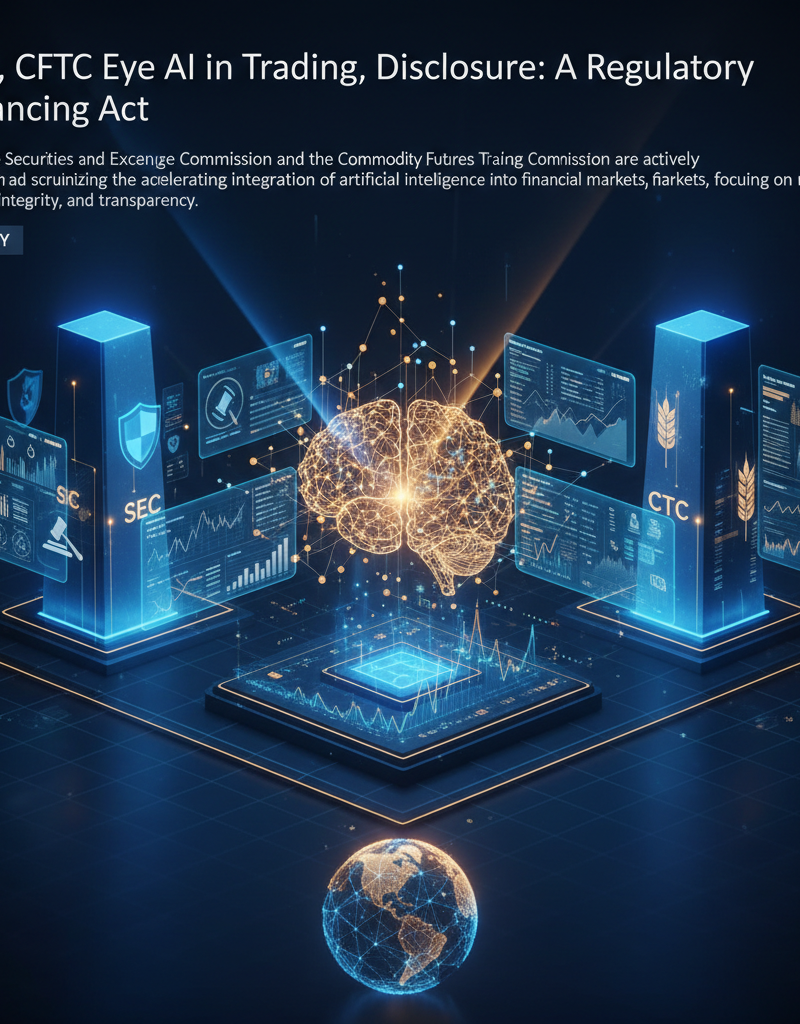
SEC unveils draft rules on AI in investment decisions
The Securities and Exchange Commission has circulated a draft proposal that would force investment firms to disclose material information about any AI or machine learning systems that influence investment choices.
This is not just bureaucratic theater. The draft requires clear disclosures on model class, where training data came from, performance backtests, known failure modes, and whether firms are running third-party models. It also mandates independent audit trails and timely incident reports when models behave unexpectedly.
Why this matters now
AI has moved out of research labs and into everyday portfolio construction. Models that were once jealously guarded as trade secrets now drive allocations at big asset managers and power recommendation engines at robo-advisors. Regulators face a familiar problem: how to allow innovation without leaving retail investors and the integrity of markets exposed.
Key elements of the proposal
- Mandatory disclosure when AI materially affects investment decisions, specifying model class and training datasets.
- Standardized performance metrics and defined backtesting windows to make comparisons meaningful.
- Independent audits and versioned model records to trace how decisions were made.
- Incident reporting deadlines and remediation plans when models produce outsized losses or unfair outcomes.
- Special rules for third-party models and cloud-hosted AI services.
Short-term market impact
Expect a compliance wave. Smaller quant shops and fintech startups will feel the squeeze first — auditing and documentation are expensive. Big firms with established compliance teams will absorb costs more easily, which might turn this regulation into a competitive advantage instead of a level playing field.
Market effects should split. Vendors of AI infrastructure and chipmakers could get a lift as demand grows for explainable, auditable systems. At the same time, hedge funds relying on opaque, high-frequency tactics may see short-term volatility.
A historical lens
This follows a familiar pattern: opacity breeds risk, and after a few high-profile shocks, policymakers codify visibility. Think Sarbanes-Oxley after corporate scandals, or the post-2008 push for more derivatives transparency. The intention is similar here — reduce hidden fragilities before they cascade.
Counterpoints and industry pushback
Not everyone is on board. Critics warn that forcing funds to reveal model details could strip away intellectual property and expose live strategies to adversarial attacks. There is also a real risk that standardized backtests encourage gaming — models tuned to pass the test rather than manage genuine risk.
Practical steps for market participants
- Asset managers: start cataloging models, datasets, and validation reports now. Compliance teams will have less breathing room than they think.
- Robo-advisors: quality disclosures could strengthen customer trust, but implementation will compress margins.
- AI vendors and cloud providers: there is a commercial opening for certified, auditable ML stacks.
- Retail investors: you should get clearer information about how your money is managed, though some products may become more expensive.
What comes next
The SEC will open a comment period — likely six to eight weeks — during which industry groups, asset managers and tech vendors will lobby for carve-outs and phased implementation. Watch for coordination with banking and prudential regulators, and any alignment or tension with the EU AI Act that could affect global firms.
This is a turning point for governance in automated finance. How regulators balance transparency and innovation will decide whether AI becomes a tool for stronger market trust or simply another shroud of complexity. Either way, the era of unexplored model risk on the buy side looks to be ending.
Pedro Marini