Personal Finance
SECURE 2.0 Is Your 2025 Retirement Wake-Up Call
Small changes in law, big implications for paychecks, student loans and your 401(k). What to do now to avoid surprises and capture free money.
P
Pedro Marini
June 10, 2026 · 4 min read
Small changes in law, big implications for paychecks, student loans and your 401(k). What to do now to avoid surprises and capture free money.
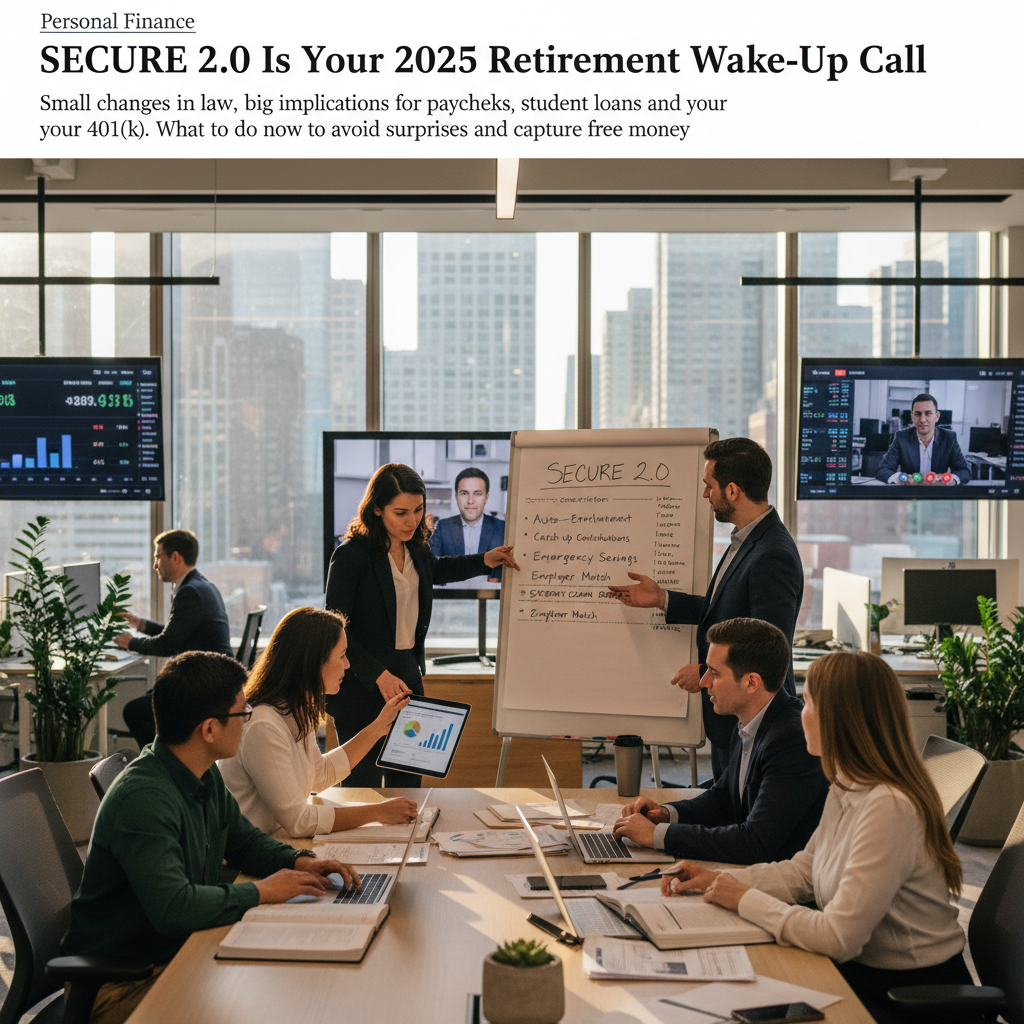
Illustration by IMF Alpha editorial · Reviewed by Pedro Marini
The headlines look small: a bump in catch-up limits, an employer match for student-loan payments, and new auto-enrollment rules. But together they change how Americans save — and how quickly little choices compound.
I’ve watched retirement policy rise and fall for years. SECURE 2.0 reads like a handful of modest nudges until the math shows up in your bank account. These provisions roll out in stages through 2024 and beyond, and whether you notice them depends on your employer, your plan provider, and how quickly you act.
What actually changes — plainly
Why ordinary savers should care right now
Real examples — the small-print changes outcomes
Trade-offs and friction
A practical checklist — what to do this quarter
Why this matters beyond dollars
SECURE 2.0 nudges employers deeper into the retirement space in a way that echoes past shifts. Auto-enrollment is starting to make saving the default the same way seat belts did for driving. It’s a quiet re-engineering of expectations: the era when employers offered lean retirement help is fading, replaced by a system that funnels more people into long-term saving.
If you want a quick rule of thumb: take the match, think through Roth versus pre-tax, and don’t assume HR has already flipped the switches. Small moves now can prevent big regrets later.
The law isn’t a cure-all, but it gives most workers more options and more automatic saving. That only matters if you notice it and act.
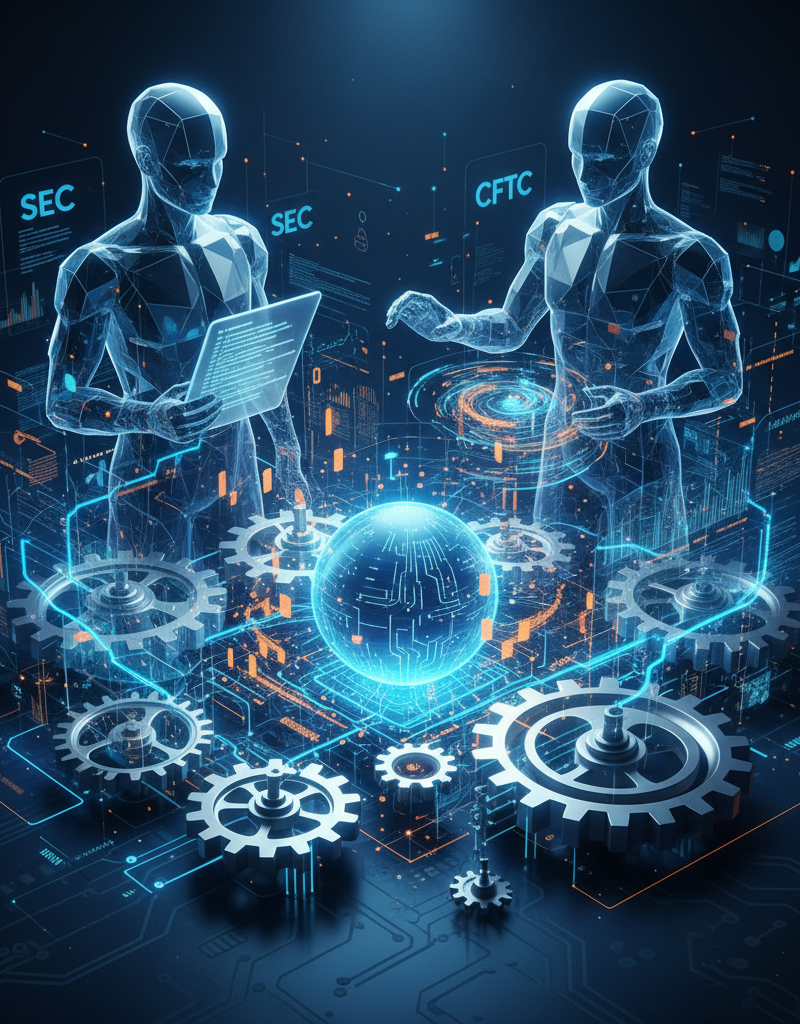
U.S. financial regulators are scrutinizing the increasing use of artificial intelligence in capital markets, focusing on potential systemic risks and the adequacy of current disclosure requirements.
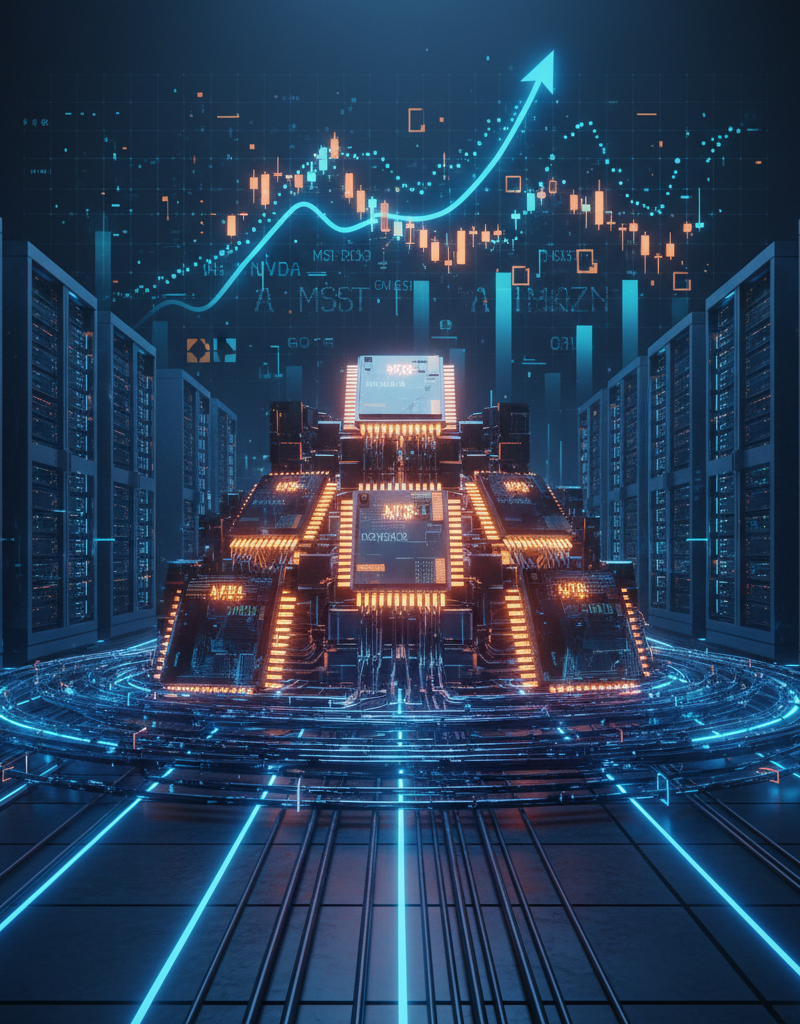
Strong demand for Nvidia's AI accelerators persists, driving significant capital expenditures among major cloud providers, influencing market dynamics and hardware supply chains.

Synthetic financial data promises privacy and scale — but it may be trading one set of risks for another. Investors and regulators should pay attention.