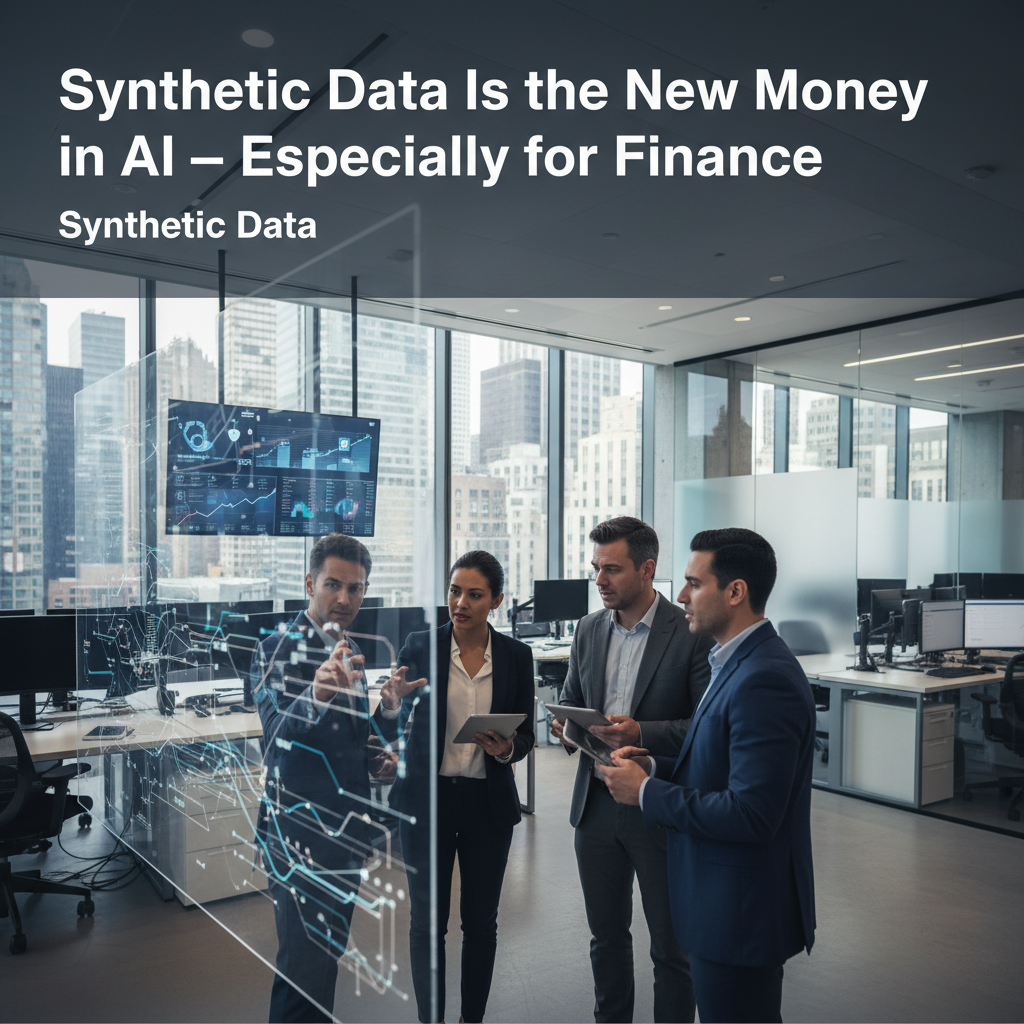
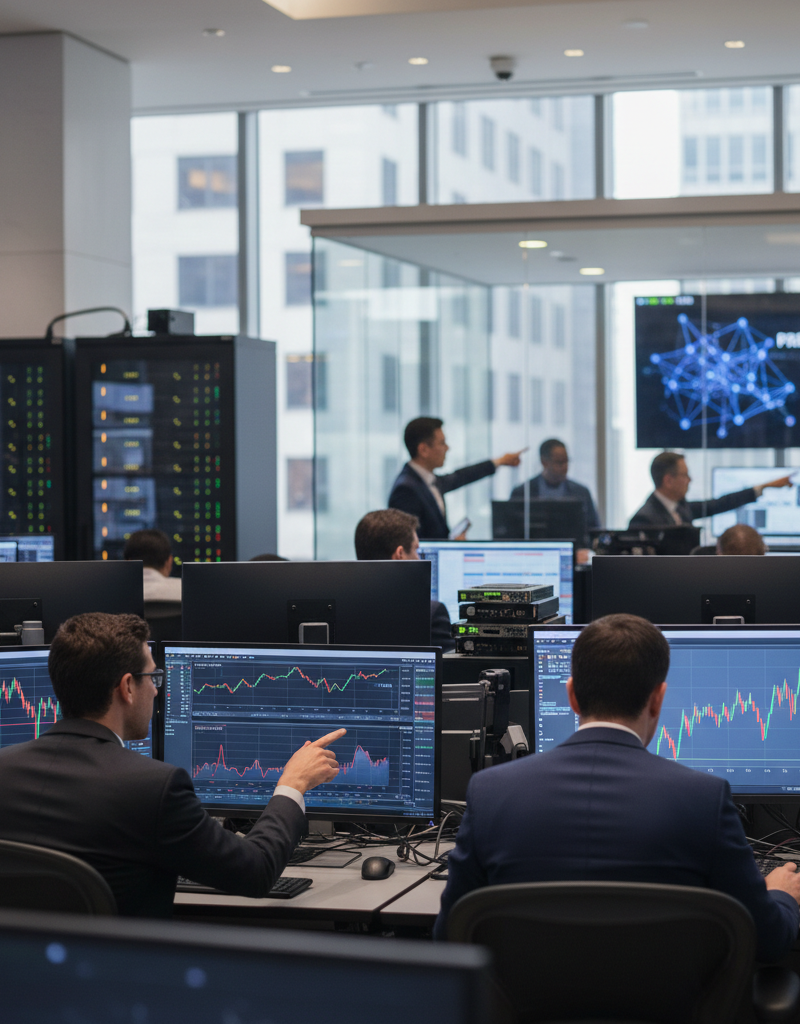
Quick thesis: Synthetic data — artificially generated records that mimic real-world patterns — has shifted from an experimental tool to core infrastructure for finance AI. It can speed up model training, reduce some compliance headaches, and scale cheaply. But it brings new risks too: hidden bias, unsettled regulation, and fresh avenues for model leakage.
Why now
Regulators and consumers have tightened the screws on personal data over the last five years. CCPA, GDPR and constant breach reports make using production datasets costly and brittle. At the same time, modern models hungry for diversity and rare edge cases demand orders of magnitude more examples than older statistical techniques. Creating or labeling that many real records is slow and expensive. Synthetic data sits between those pressures: it can reproduce statistical relationships without tying models to identifiable people, and it can be engineered to fill gaps — think fraud spikes or underrepresented cohorts.
Who stands to win — and why investors should care
Cloud and data marketplaces. Snowflake is already embedding clean-room features and could become a distribution hub for vetted synthetic datasets. That fits its push to be the marketplace for data exchange and subscription economics.
Infrastructure and compute. NVIDIA matters here; large synthetic generators and downstream models need GPU scale. Expect chip demand to follow synthetic adoption.
Enterprise software. Palantir and Microsoft sell platforms and model-ops tools that can fold synthetic pipelines into regulated workflows. That integration is not trivial and it’s often the difference between a pilot and production.
Banks and fintechs. Large banks and nimble fintechs can use synthetic data to test fraud models and credit changes without exposing customer records — a pragmatic win for ops teams.
Practical finance use cases
Fraud detection. You can generate synthetic transactions to emulate evolving fraud tactics, giving models exposure to patterns missing from historical logs.
Anti-money-laundering scenarios. Firms can construct synthetic shell entities and layered transactions to stress-test detection rules without touching real customer data.
Product personalization. Synthetic cohorts let teams run offline A/B tests without using real telemetry tied to individuals — useful when privacy constraints block access to behavioral signals.
Where synthetic still struggles
Garbage in, garbage out. If the generator learned biased patterns, the synthetic set will amplify them, not correct them.
Rare events are tricky. Reproducing true tail co-movements — black-swan market moves that capture the right dependencies — remains more craft than solved math.
Regulatory fog. Privacy by synthesis is persuasive but not a settled legal shield; some regulators treat synthetic derivatives as potentially subject to oversight depending on reidentification risk.
A short history
We used to call data oil. That metaphor worked for a while, but I prefer seeds now. Clean, structured, responsibly sown data determines what grows. Synthetic data is an engineered seed: it speeds planting and can be tailored for the soil, but gardeners still need to understand ecology or they’ll get a monoculture.
Signals to watch
Partnerships and licensing between synthetic startups and cloud marketplaces.
Product rollouts from Snowflake, Microsoft, and Palantir that deepen synthetic pipelines or add dataset certification.
Regulatory guidance or enforcement that explicitly mentions synthetic generation or sets reidentification thresholds.
Investor stance
I view synthetic data as a necessary layer in finance AI infrastructure, not a cure-all. That makes vendors who can guarantee provenance, auditability and smooth integration more interesting than pure-play generative startups that lack enterprise hooks. Favor platform providers that embed synthetic capabilities as part of a broader product; be skeptical of startups trading on novelty without clear enterprise adoption metrics.
Final thought
Synthetic data is accelerating model development in finance and spawning a new set of businesses around verification, governance and distribution. It will change how banks test models and how cloud firms package data services. Expect a messy transition: some startups will flame out, while incumbents with distribution and compliance muscle will capture much of the long tail.