AI Business
The AI Cloud Price War: Who Wins When Inference Gets Cheap
Big cloud providers are slashing GenAI costs. Enterprises cheer, chipmakers sweat — and the real winners may be unexpected.
P
Pedro Marini
June 3, 2026 · 3 min read
Big cloud providers are slashing GenAI costs. Enterprises cheer, chipmakers sweat — and the real winners may be unexpected.

Illustration by IMF Alpha editorial · Reviewed by Pedro Marini
Short version
Cloud providers are aggressively pushing down the cost of running large language models and other generative-AI workloads. On the surface it looks like a consumer-friendly price war: cheaper inference, broader use. Look closer and it’s changing hardware economics, enterprise buying habits, and the case for model specialization.
Why this matters now
AI is different from most enterprise software because compute is the fuel and inference is the recurring bill. When per-query costs fall, experiments stop being experiments and start being product features. That explains why CIOs are suddenly greenlighting customer-facing pilots and why startups are sprinkling AI into every product line.
What’s actually happening
What’s interesting here: the outcome isn’t just lower sticker prices. It’s a scramble to redesign workflows and billing models around different cost profiles.
Winners and losers — a quick read
The chip angle: not just Nvidia vs the world
Nvidia has long been shorthand for AI compute. Cheaper inference starts to change that arithmetic. Peak FLOPS matter less than utilization. Expect:
Put another way: buyers are moving from purchasing raw firepower to buying predictable, cheap heat.
Concrete enterprise choices — examples
Counterpoints and risks
What I’m watching next
The tricky part: vendors will want sticky, recurring revenues, and customers will want predictable margins. Those incentives don’t always line up.
The upshot
Cheaper AI inference almost certainly accelerates adoption and sparks new product thinking. But it also moves the industry away from a single-minded hardware sprint into a subtler contest over model efficiency, integration, and contract design. For investors that means watching who captures recurring, hard-to-replace value — not just who sells the most raw GPU hours.
Quick takeaways for executives
Editorial note
This is not just tech wrapped in business language. It’s about margins, incentives, and the routines companies will change when doing something smart becomes materially cheaper. Expect clear winners — and some surprising casualties.

As lawsuits and privacy rules squeeze scraped training sets, synthetic data firms are drawing capital and corporate deals. Practical wins, hidden risks.
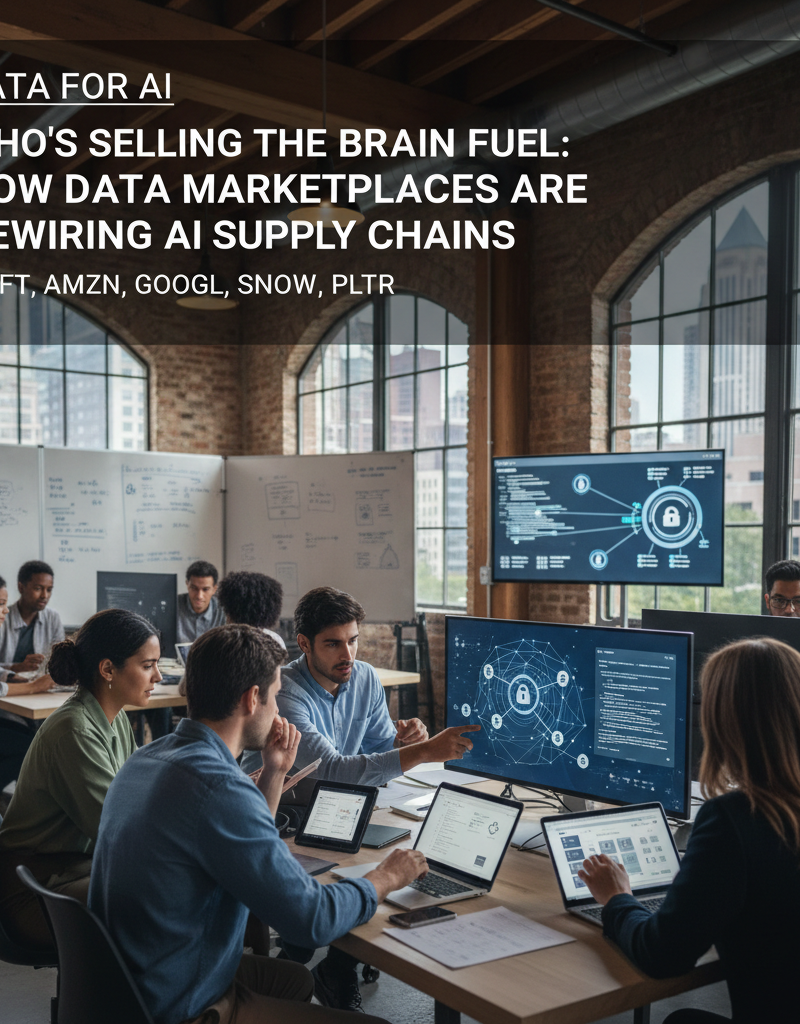
From web-scraping lawsuits to paid, privacy-preserving feeds and synthetic substitutes — firms are buying better data to train safer, more valuable models.

Smaller models, smarter chips and privacy-first apps are turning phones and PCs into autonomous AI hubs — and the ripple effects will hit chips, apps and search.