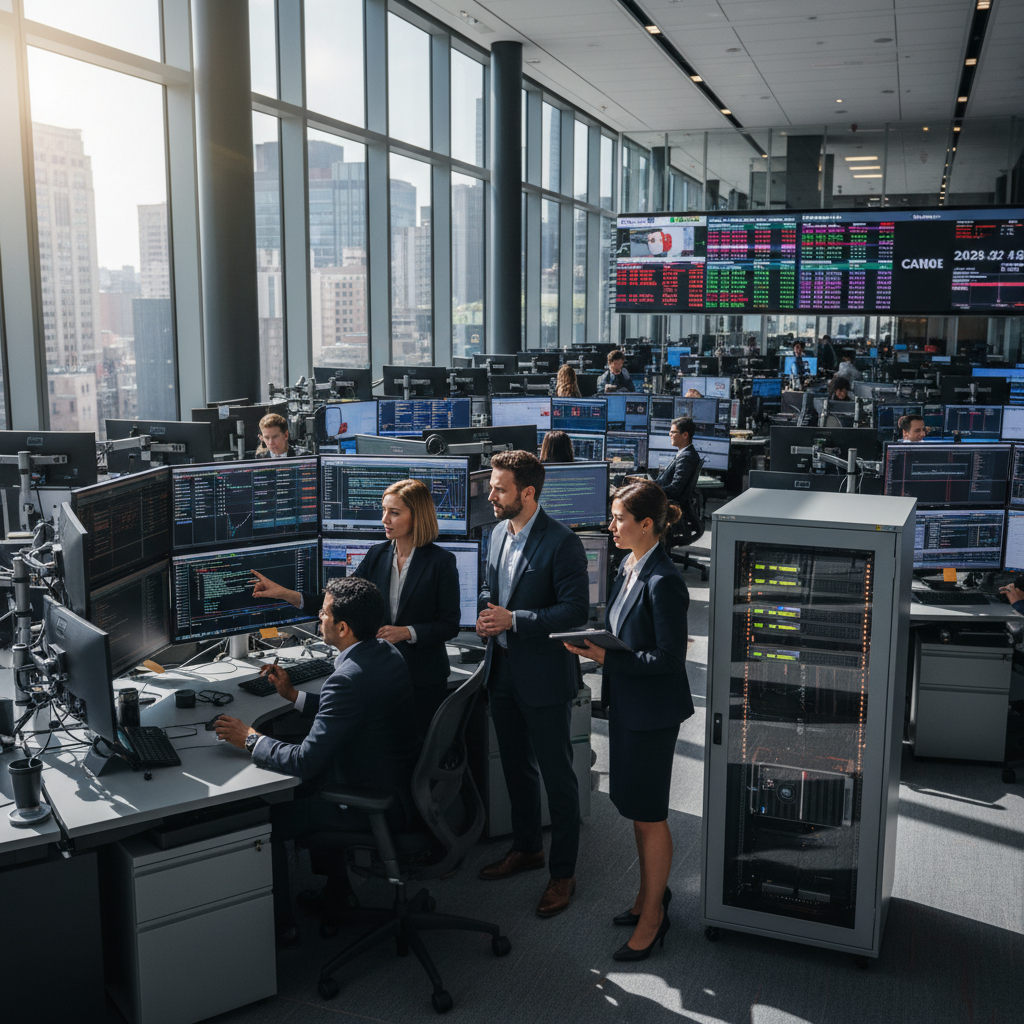
This is breaking: a surge in AI hiring at major U.S. banks is changing how Wall Street runs — and what it risks.
The last big tech wave felt like a tide that lifted every desk. This one is different. Banks are not just plugging in new tools; they are building internal AI organizations that start to resemble trading floors — data scientists, MLOps engineers, prompt specialists and compliance coders sitting next to portfolio managers.
Why it matters
- Several banks have signaled sharp headcount increases in AI roles, both publicly and behind closed doors, as they rush to deploy generative models for client advice, trade ideas and compliance automation. Earlier cycles mostly targeted execution algorithms; this one hits front, middle and back offices at once.
- The stack is concentrated: specialized chips, a handful of cloud providers and a small set of foundational-model vendors. That creates single points of failure for the financial system in ways prior tech shifts did not.
- Regulators are paying attention. Expect pressure on model governance, third‑party risk and explainability — more demand for decision trails, expanded model inventories and stress-testing of generative systems.
What banks are building and why investors should care
- AI-driven advisory and personalization. Think robo-advice 2.0: natural‑language portfolios, inline tax optimization, richer client UX. The commercial upside is straightforward — higher engagement, lower servicing costs.
- Augmented trading signals. Models are being used to surface patterns in alternative datasets. That can uncover new edges — but when lots of firms chase the same signals, correlation risk rises.
- Compliance and surveillance automation. These systems can cut recurring costs and scale monitoring. The tradeoff is growing reliance on opaque models to flag suspicious activity.
A few hard truths
- Hiring specialists is not an instant productivity fix. Banks are recruiting by the dozen or the hundred, yet integrating model outputs into risk‑managed workflows requires time, process change and cultural shifts.
- History is a warning. Algorithmic trading produced systemic flash points before; adding generative AI into decision layers could create new failure modes where a single bad model nudge cascades through leverage and liquidity. Not hypothetical.
Practical signals for investors
- Watch vendor exposure. GPUs and cloud services are the plumbing; chipmakers and cloud providers stand to capture a large slice of the economics even if banks control customer relationships.
- Scan filings for model‑risk disclosure. Look for bigger line items around third‑party vendors, model inventories and project capital spend.
- Be wary of uniformity. When many institutions use similar models and datasets, apparent diversification evaporates and correlation can spike in stress.
A few moderating points
- Talent can stick where ML teams are genuinely paired with domain experts. What’s interesting is that firms embedding traders and regulators with engineers tend to extract more value than those treating AI as a one‑off product experiment.
- Automation does not equal mass layoffs. Roles will morph: compliance officers become model auditors, advisors devote more time to client relationships that machines still struggle to manage.
The upshot
The AI hiring surge on Wall Street is real and meaningful. It can cut costs and open new revenue streams, but it also concentrates risk in software stacks and vendors and invites tougher regulatory scrutiny. Pay attention to who controls the stack, who documents the models, and how boards respond — the next market shock may come from code rather than the usual suspects.