Quick read: ETFs sold as a way to own the AI boom are increasingly just a fast route to Nvidia.
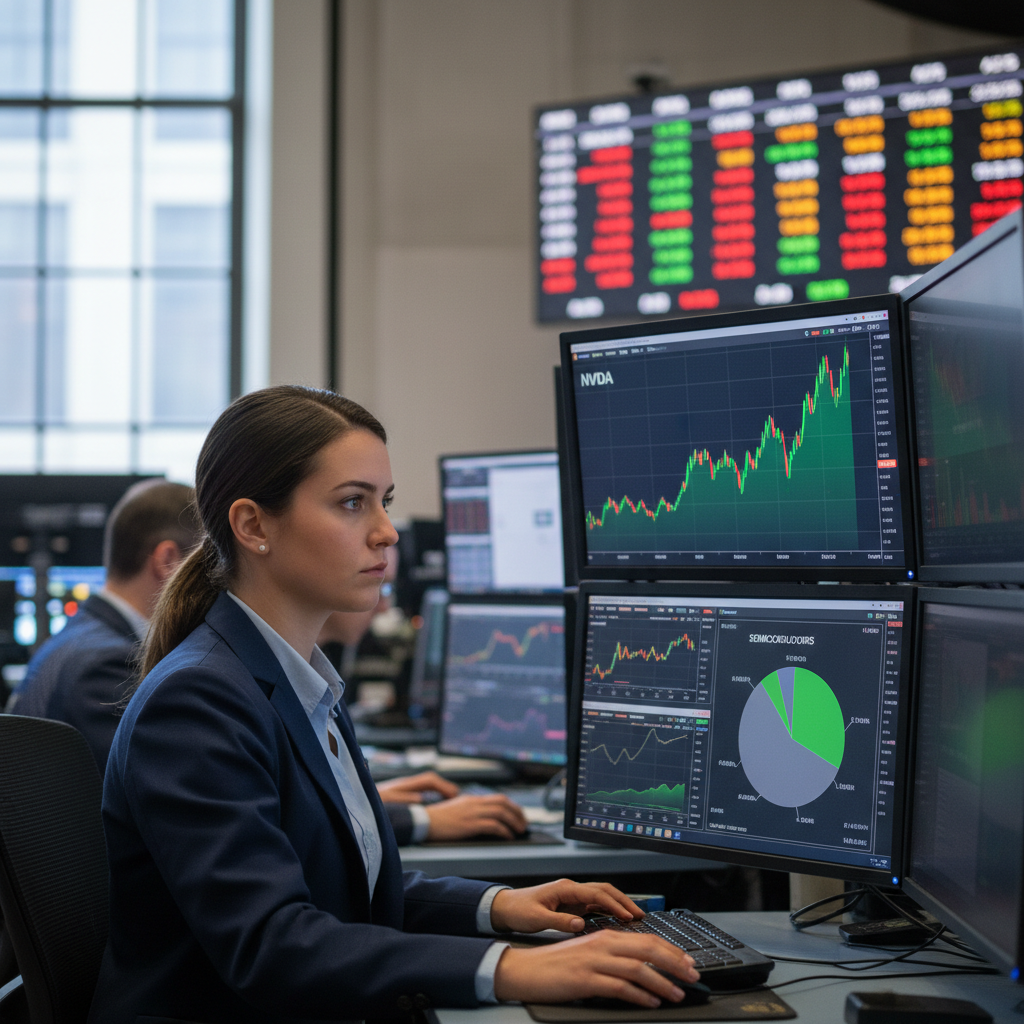
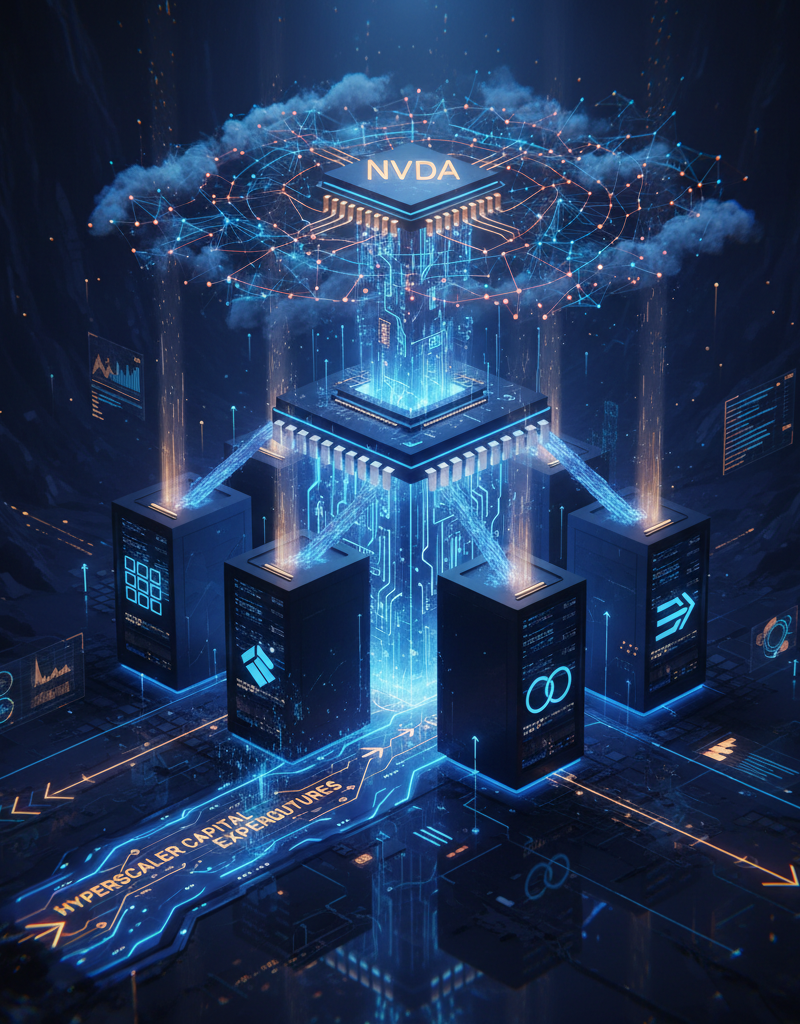
Money chases winners. Over the past year that chase has concentrated on a handful of companies in the AI hardware and software stack. The funny — and worrying — twist is that many funds marketed as AI or robotics ETFs now hold a very large stake in the single GPU leader that powers much of the ecosystem.
Why this matters
- People buy thematic ETFs expecting a basket, not a single-stock bet. When one company dominates, the fund behaves more like a concentrated equity than a sector exposure.
- That concentration magnifies two risks: company-specific shocks and headline-driven swings. One bad quarter or a supply issue at the dominant firm can drag the whole theme down hard.
How we got here
Markets tend to pick a winner in a big technological shift. Think Microsoft in enterprise software, Amazon in cloud and retail. Now GPU-driven AI compute is the focal point: demand for compute has exploded and investors have priced that future into the firms controlling the stack. Indexes that feed passive ETFs generally weight by market cap or liquidity, so they automatically overweight the largest, most liquid names.
There’s a historical echo. In the late 1990s dot-com run and again in the 2020–21 tech rally, thematic baskets concentrated into a handful of leaders. Some of those leaders went on to justify their heft; others did not. The path tends to be volatile and, frankly, a little messy in practice.
Real implications for investors
- Labels can mislead. An AI ETF with a 10–20 percent position in Nvidia is only partly diversified — you’re taking a hefty single-chip bet.
- Rebalancing rules matter. Some funds cap single-stock weights; others don’t. Check the methods.
- If you need to exit during stress, tax and liquidity issues can amplify the pain. Concentrated ETFs can see wider spreads and harsher moves when the underlying name gaps.
A practical checklist
- Look at holdings before you buy. The marketing blurb is not enough — scan the top 10.
- Read the index methodology. If you want true thematic diversification, prefer funds with caps or equal-weight approaches.
- Consider active managers. They charge fees, yes, but they can avoid extreme single-stock concentration and rotate inside the theme.
- Size your position. Treat AI-theme allocations as tactical: you can have conviction without letting one name dominate your portfolio.
- Hedge selectively. Simple options strategies or balancing infrastructure names with application companies can blunt single-stock exposure.
Counterpoints
- Concentration can be rational. If a firm has a durable advantage and is poised to capture a disproportionate slice of a massive market, a higher weight may reflect economic reality.
- Thematic ETFs still solve a real problem: they give ordinary investors access to fast-moving tech trends without stock-picking. For many, that convenience outweighs the concentration trade-off.
AI is remapping industries, but it hasn’t erased the old rules of investing. Themes create stories; markets assign winners. For most investors the sensible approach is pragmatic: treat AI ETFs as a tool, not an identity. Check the holdings, understand how the index is built, and size exposure so one company’s gyrations won’t wreck your long-term plan.
If you want a next step, pull the top 10 holdings of any AI or robotics ETF you own and compare that concentration to a broad-market ETF. The difference will tell you most of what you need to know.