A turning point for a familiar gadget
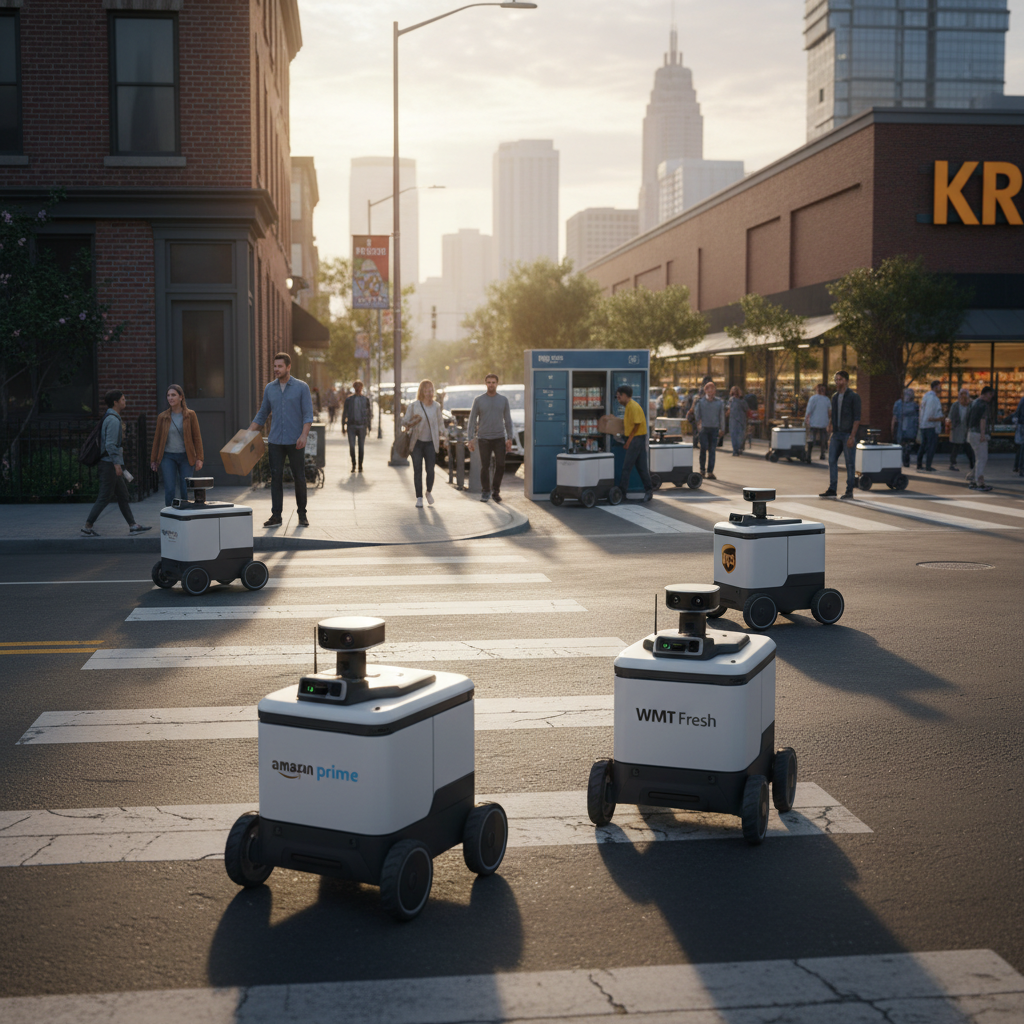
For about ten years, sidewalk couriers, squat four-wheeled robots and odd-looking delivery pods were the stars of demos and local pilots. Fun to watch. Often useless in production. The showmanship hid a tougher reality: last-mile delivery is messy, costly and habitually unprofitable. Lately, though, those little machines feel less like toys and more like the start of a structural change.
Why this matters now
- Computer vision and on-device models have gotten meaningfully better. Robots can thread through crowds and curbside clutter with fewer embarrassing failures than five years ago. That lower failure rate matters more than it sounds.
- Economics are nudging in their favor. Driver wages are up, customers want faster service, and for very short, frequent hops autonomous couriers can already look competitive.
- Local regulators are experimenting. Sandboxes and conditional approvals let startups move beyond a single campus pilot into real revenue experiments instead of PR exercises.
Who’s actually doing it — and what to watch
Big logistics players and scrappy startups both have bets on this. Amazon and national carriers run pilots alongside Nuro-style cargo vehicles and sidewalk robots from firms like Starship. Retailers get the most value when robots handle repeatable short legs: grocery micro-fulfillment to nearby neighborhoods, food runs around campuses, and the last drop for small parcels.
In other words: not every use case, but a few predictable ones.
The economics, in plain terms
- Last-mile work can be as much as half of total shipping costs in some setups. That makes it an obvious target for automation.
- Robots win where deliveries are dense and repetitive — apartment blocks, university quads, planned communities — because the per-delivery distance falls and utilization rises.
- Limits persist. Batteries, bad weather, theft and customer reluctance raise exception rates and hide operational costs. Those factors keep many deployments marginal.
Regulatory, labor and social trade-offs
This is not just a robotics or software problem. Cities worry about sidewalk clutter and traffic interactions; small businesses sometimes see them as a nuisance. Labor groups raise legitimate concerns about job displacement among drivers and couriers. Expect a patchwork of local rules that will largely determine who benefits and where these systems actually scale.
Some important caveats
- Not a silver bullet. Robots are a complement, not a wholesale replacement for vans and human drivers. Long routes, heavy items and complex doorstep handoffs still favor people.
- Public perception can change fast. A few high-profile mishaps — safety incidents, stolen loads, even viral footage of a robot stuck in a storm drain — could slow approvals and erode trust.
Signals investors and operators should follow
- Look for pilots that scale across multiple neighborhoods rather than single-site demos. Scale is where unit economics get tested.
- Watch meaningful partnerships: grocers or logistics providers that commit to operator tie-ups reveal where revenue will flow.
- Track city and state policy moves. Clear rules accelerate adoption; uncertainty freezes investment.
So here’s the practical read. AI, cost pressures and permissive local rules are aligning enough that autonomous delivery robots are escaping novelty. They will not replace vans and drivers overnight, but in specific use cases they can shave the most expensive leg of delivery. For retailers and investors, the question is less whether fleets will appear and more where they will be profitable and who builds the software that keeps them reliable.
Treat this as a map, not a prediction. The next 24 months will show which use cases survive local politics, rain and the real economics of running things day to day.