AI Chips
Why Nvidia Is Rewriting the Chip Playbook
As datacenter AI demand crowns a few giants, investors are weighing megacap concentration against contrarian infrastructure bets.
P
Pedro Marini
May 31, 2026 · 4 min read
As datacenter AI demand crowns a few giants, investors are weighing megacap concentration against contrarian infrastructure bets.
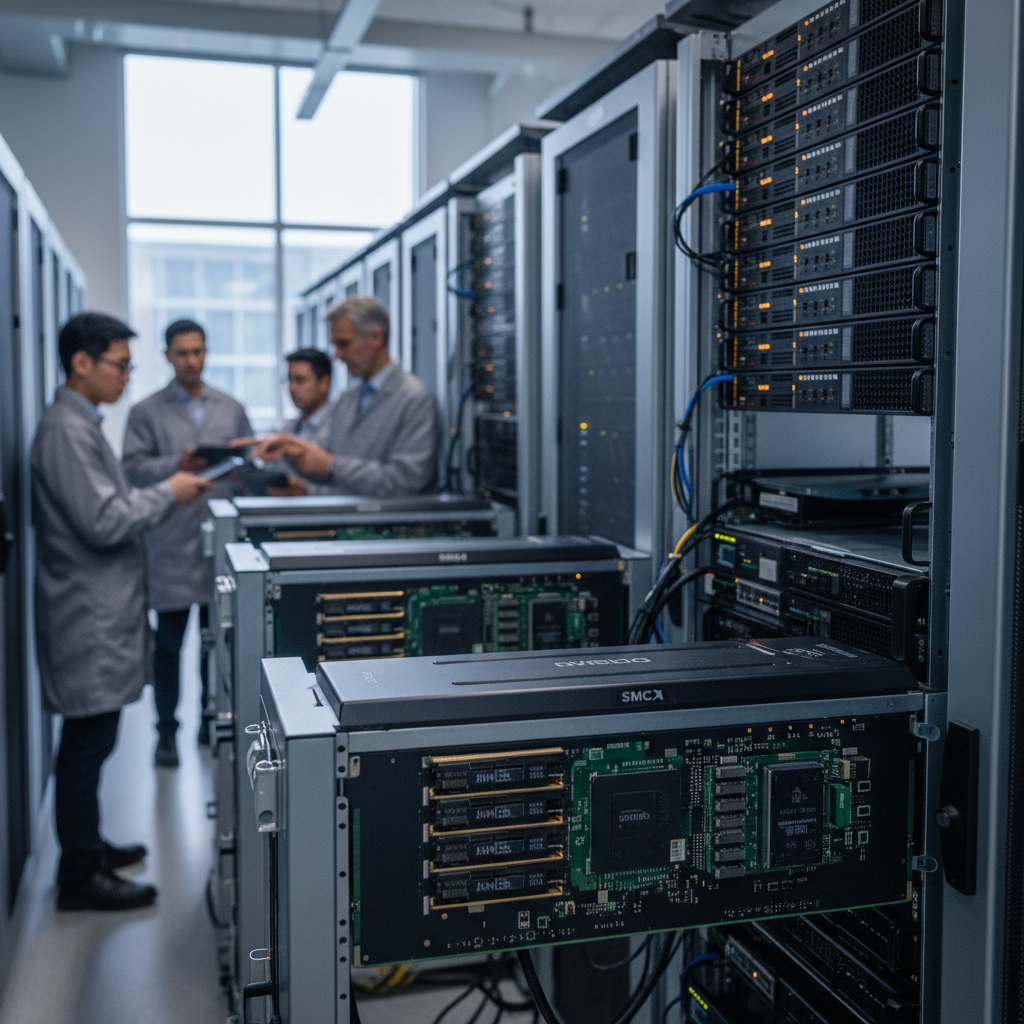
Illustration by IMF Alpha editorial · Reviewed by Pedro Marini
Nvidia's rise isn't just another tech rally — it's remaking what we expect a semiconductor company to be.
A few years ago GPUs were niche: gamers, researchers, a handful of labs. Now they're the plumbing behind generative AI, and investors have re-priced that plumbing accordingly. Datacenter demand drives valuation multiples in a way that would have looked odd before large language models hit the scene.
Why this matters now
A closer look at the trade-offs
There is a comforting story: buy the leader, sit back, and watch AI adoption compound. It sounds tidy. Real life rarely is.
Where smart money is looking beyond Nvidia
Not everyone needs to chase Nvidia on every spike. A few more pragmatic angles get less press but deserve attention.
A historical lens and a caution
Remember early 2000s server virtualization. Orchestration and middleware captured enormous value while some hardware vendors saw margins slip. AI may produce a similar split: hardware excellence will matter, yet software and orchestration could grab the bulk of long-term profits.
A counterpoint worth keeping in mind
Proponents of GPU incumbency have a strong case: large developer ecosystems and optimized libraries create real stickiness. Still, ecosystems can be forked. Open-source implementations and specialized chips tuned to particular model families can peel off meaningful chunks of workload demand.
Tactical moves for the attentive investor
In short
Nvidia and peers have turned hardware into one of the dominant narratives driving markets today. The story is powerful, but it's not unassailable. Savvy investors will look past the AI gloss and ask who actually captures the economics over time: the silicon maker, the stack provider, or the cloud operator selling recurring AI services.
The obvious leader probably deserves a place in the portfolio, but some of the best returns over the next five years may well come from overlooked companies building the AI backbone.

Data clean rooms, synthetic datasets and commercial data marketplaces are turning first-party customer information into tradable assets — and regulators are circling.

Clean rooms, synthetic data and licensing deals are reshaping who wins from AI. Investors and operators need to rethink data as a commercial product, not a byproduct.

How recent NPU advances and compressed LLMs are shifting AI from the cloud to your pocket—and what it means for Apple, Qualcomm and investors