On-device AI is moving from lab demos to daily use
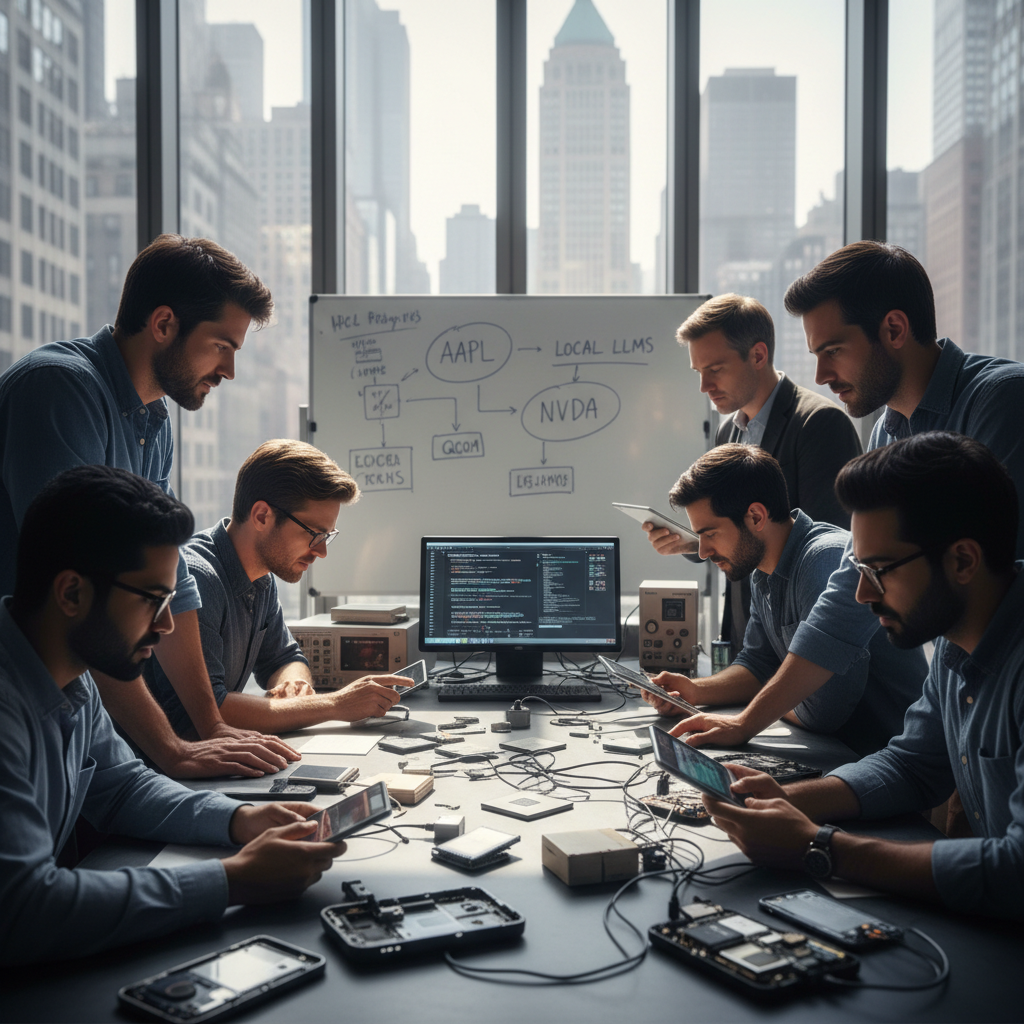
Smartphones are no longer just terminals for cloud services. They now pack neural processing units built to run compressed language models and image networks close to the sensor. It’s not a wholesale revolution overnight, but these phones are starting to do real inference work locally.
This shift matters because it tweaks three things at once: latency, privacy and cost. Local inference cuts the round trip to a data center. Raw data stays nearer the device. And the bill for compute increasingly falls on device makers and chip designers instead of cloud operators.
Why now
- Hardware has finally caught up enough. Modern mobile NPUs and dedicated accelerators can run quantized LLMs that would have been laughable on a phone two years ago.
- Toolchains are usable. Open model variants plus smarter runtimes and compilers let teams squeeze models into tight memory and thermal budgets.
- Users are asking for it. Faster, private assistants and offline features matter when connections are flaky.
Concrete signs are visible. Android OEMs are shipping assistant features that run partially or wholly on device. Apple has been widening access to the Neural Engine for developers. Independent model creators are chipping away at size without throwing away capability. The result is a messy, interoperable ecosystem — some impressive demos, some rough edges.
Not everything is solved. Batteries and thermal limits still throttle ambition. Developers must trade off model size, response quality and power draw. And regulators will be watching as on-device models spread automated decision making into new corners of life.
Market implications
- Chipmakers that win the efficiency fight stand to benefit. Companies that pair silicon with solid software stacks will be priced differently.
- Cloud providers will cede some inference revenue but pick up opportunities in developer tools, model hosting and hybrid services.
- App ecosystems will split: some apps optimize for local responsiveness; others keep using cloud for the heaviest lifting.
Don’t buy the idea that this makes the cloud irrelevant. Large models and high-throughput services still need data-center scale. The practical future looks hybrid: small, local models for daily tasks; big, centralized models for the heavy jobs.
Historically, this resembles the shift from centralized mainframes to personal computers — capability moved toward the user. Winners won’t be purely hardware or purely software companies. The advantage will go to those who combine chip-level efficiency with developer-friendly tooling and smart data strategies.
Things to watch
- New NPU releases and compiler tricks that actually improve power or memory use
- Developer uptake of local runtimes — real apps, not just lab demos
- Deals between chipset makers and major app platforms
- Regulatory moves around on-device decision systems and data protection
For investors: this is a marathon. Spread exposure across chips, runtimes and cloud-hybrid plays. For users: expect phones that do noticeably more while leaking less data. It’s not science fiction — it’s quietly rolling out now.