Quick take
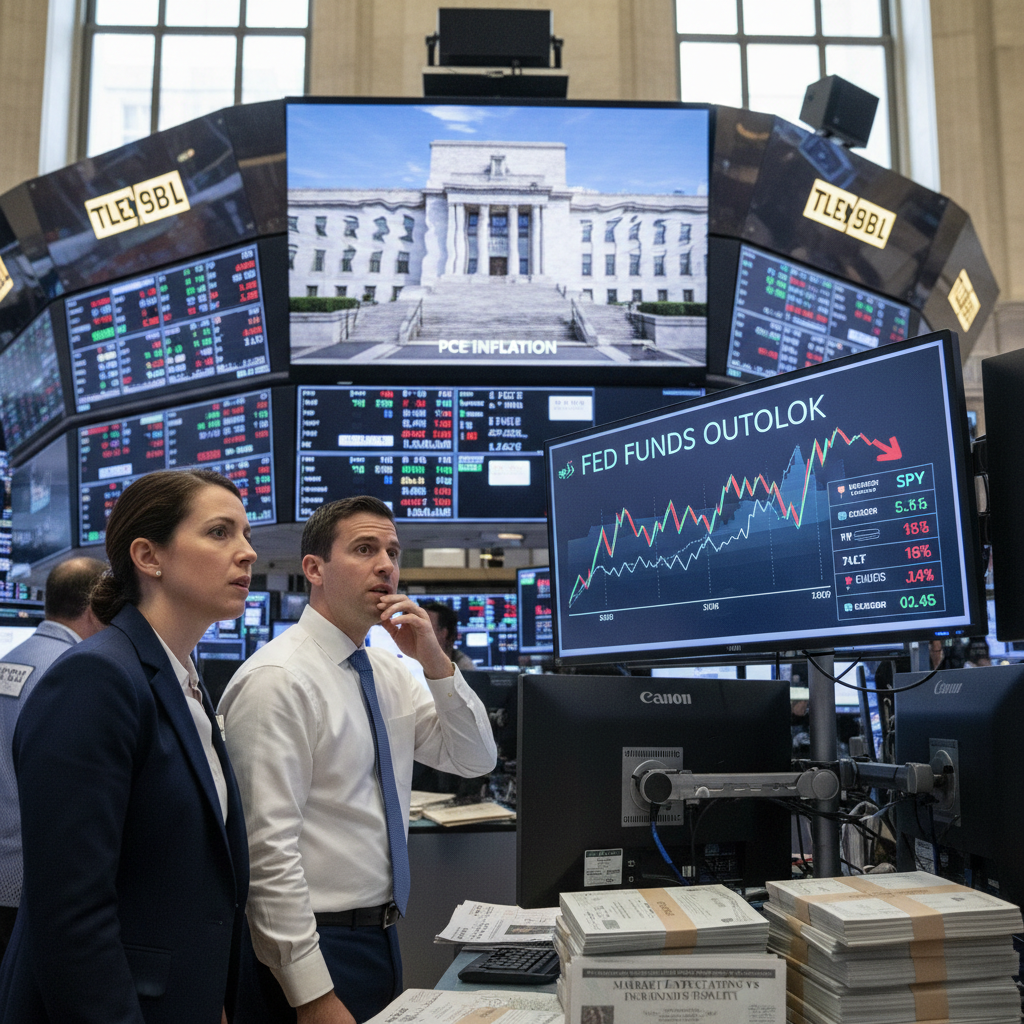
The Fed's recent signaling about eventual easing has been read as an all-clear. Stocks and other rate-sensitive assets jumped on the assumption that cheap money is coming back. That story is tidy, but it skips over three messy realities: services inflation that refuses to fall quickly, a labor market that is uneven underneath the headline numbers, and lingering fragility in parts of the banking system.
What the Fed actually signaled — and why tone matters
Officials have been careful. They point to progress on inflation but keep repeating that any move will depend on incoming data. Conditional language like that feels wishy-washy to markets, so traders often translate it into a specific timetable and magnitude the Fed never actually promised. Think of it as a promoter saying the show will probably start soon: people rush the box office, and then the band still needs to tune.
What’s interesting is how small wording shifts move prices. A single phrase about persistence in services can zap optimism overnight.
Why this is different from past easing cycles
- Services inflation, driven by housing and wages, slows like molasses compared with goods prices. Expect a long, choppy slowdown rather than a neat drop.
- Banks today face different risks than before 2020 — more deposit volatility in places, and concentrated commercial real estate exposure in some regions — which makes a clean, predictable easing path harder to execute.
- Geopolitics and recurring supply-chain quirks still add asymmetric risks. The Fed can’t simply ignore spillovers from abroad.
Market implications: short-term winners and stealth risks
- Growth and tech typically lead on easing optimism. QQQ and momentum names often outperform early in these moves.
- Banks may benefit if the curve steepens modestly, but large, rapid cuts hurt net interest margins and punish banks heavy in long-duration assets.
- Long-duration Treasuries will rally if markets price in cuts — and that rally can unwind fast if inflation surprises to the upside.
A few tactical considerations for investors
- Prefer shorter-duration bonds or floating-rate products to avoid being whipsawed if cuts come later or are smaller than markets expect.
- Be cautious about crowded tech momentum trades if you’re there mainly for valuation. One hotter-than-expected inflation print can flip sentiment quickly.
- Tilt toward banks with diversified fee income and stable deposit bases rather than lenders concentrated in commercial real estate.
Policy risks to watch
- A single hotter-than-expected services inflation reading could convince the Fed to hold rates longer, or even nudge them up, deflating market hopes.
- Political pressure and aggressive fiscal spending could re-accelerate inflation and limit the Fed’s room to maneuver.
- Unexpected global shocks — energy, trade, or broader credit stress — can force the central bank into a more defensive stance.
The upshot
It’s tempting to treat Fed speak as a roadmap. A smarter posture is healthy skepticism: price conditional language more cautiously, protect real yields, and keep flexibility. The Fed may be opening a door to cuts, but the corridor is long and littered with hurdles. Being nimble now will likely beat being heavily committed to an easing story that might not fully materialize.
Further reading and data to watch
- Monthly core services inflation and PCE figures
- Weekly bank deposit flows and regional bank stress indicators
- Market-implied rate paths from Fed funds futures and swap curves