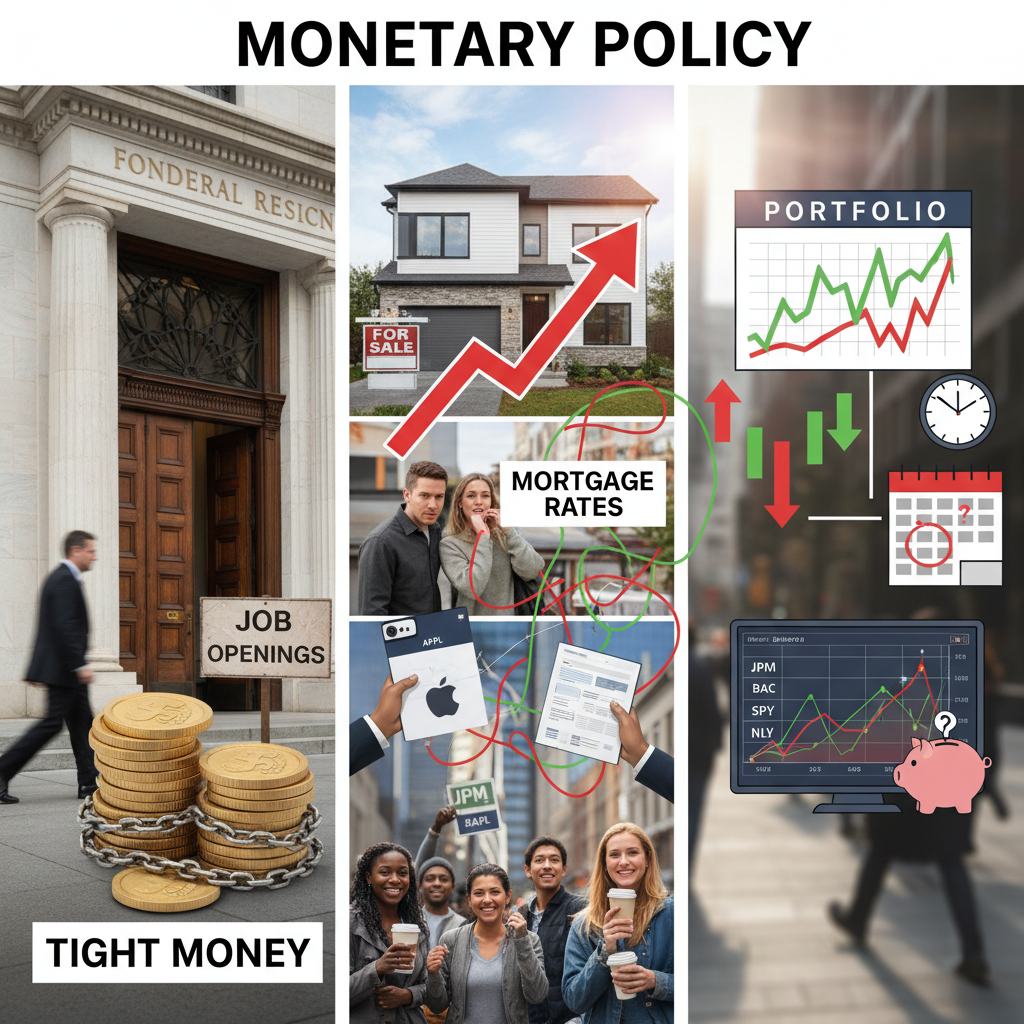
The Federal Reserve is at an awkward crossroads. Inflation has eased from its peak, yet parts of the labor market are oddly durable: steady hiring, low jobless claims and ongoing wage growth. That mix makes cutting rates both politically and economically tricky — and it ripples through mortgage approvals, bank earnings and tech valuations.
Historically, the Fed has waited to cut until labor costs show clear, sustained cooling. Think 1995 after the 1994 tightening, or the cautious pivot in the early 2000s. Policy tends to lag the underlying trend. Right now markets are pricing in cuts with some optimism; the Fed is staring at services inflation and wages — the two sticky elements that keep overall inflation from falling cleanly.
Why this feels different
- Services inflation, propped up by wages, has been more persistent than the drop we saw in goods prices. That undermines the old playbook where easing in goods alone buys room to loosen policy.
- Unemployment near historic lows means less runway for the Fed to cut without risking a reacceleration of price pressures.
- The Fed’s guidance has become more conditional. They talk about following the data, not making promises, which breeds volatility for rate-sensitive assets.
Three immediate implications
- Mortgages: Rates are likely to stay higher for longer than many borrowers assume. If you’re buying or refinancing, run scenarios that assume rates well above pre-pandemic lows rather than betting on quick relief.
- Banks: Regional banks may enjoy healthier net interest margins, but loan demand could remain weak. Watch large banks for provisioning trends and smaller banks for how sensitive they are to funding costs.
- Equities: Growth names priced for aggressive rate cuts are most exposed if easing is delayed. Conversely, value stocks and financials tend to do relatively better when rates hang around higher levels.
A loose historical comparison helps. In the late 1990s the Fed tightened into a strong labor market and markets grumbled but adapted; productivity and tech gains softened the blow. Today those productivity tailwinds are less clear, which raises the political and economic cost of easing too soon.
Practical moves for investors and consumers
- Homebuyers: Lock a rate when it fits your time horizon. Waiting for cuts is a bet on Fed timing — and that bet often loses.
- Savers: High-yield savings accounts and short-term bonds look attractive. The yield premium could stick around.
- Portfolio tilts: Think about trimming long-duration, rate-sensitive names that assume rapid cuts; add exposure to financials and value sectors that are more resilient to a higher-for-longer rate profile.
There are obvious caveats. A sharper-than-expected slowdown, a surprise drop in labor-force participation, or a rapid cooling in housing could still nudge the Fed toward cuts sooner than markets expect. The path isn’t preordained; it’s tied to labor-market readings and core services inflation.
So: the sticky jobs problem raises the likelihood of a drawn-out period of elevated rates. That argues for caution — treat rate cuts as plausible but not guaranteed, and align mortgage, savings and equity plans accordingly.