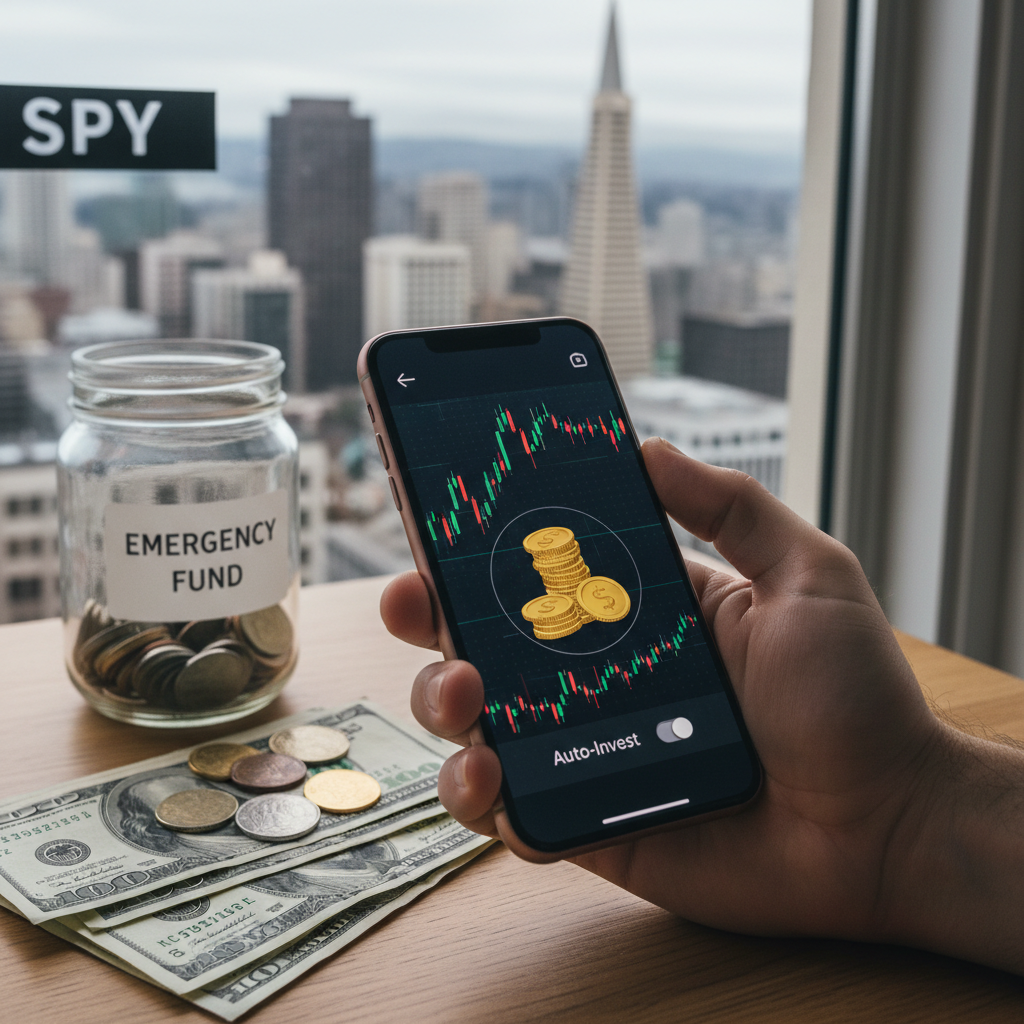
The pitch is hard to beat: round up your card purchase, invest the spare change, sit back and watch it grow. It feels like magic — and that’s the point. Fintechs have reframed saving as micro-investing, and for lots of people the convenience is an actual behavioral win. But convenience can also hide risk.
What’s actually happening under the hood
Most apps route idle cash in one of three ways:
- Direct deposit into an FDIC-insured savings or checking account. Safe and liquid.
- A sweep into a partner bank’s deposits, also FDIC-covered (you’ll usually see the partner bank named somewhere).
- Automatic investment into ETFs, fractional shares, or money-market-like funds held at a brokerage.
The first two keep your cash essentially intact. The third treats your cushion like an investment — it can rise or fall with the market. SIPC may protect your holdings if a broker fails, but it does not insure against market losses. That distinction matters, and it’s easy to miss.
Why this matters now
During the post-pandemic rate spike, high-yield savings and short-term bonds paid well. As rates drift back toward more normal levels, some fintechs are pushing investing features harder to promise better returns. The result: people swap true cash for invested balances without always realizing the tradeoffs.
Take a 32-year-old freelancer using an app that rounds purchases into fractional shares of a tech ETF. She watches the balance climb 20 percent over three years, assumes those shares are as good as an emergency fund, and then taps that balance during a market dip. Paper losses become real bills in your inbox — and suddenly the convenience looks expensive.
How to tell where your money really sits
Look for these clues in settings and disclosures:
- Account type: Does it say savings, brokerage, or cash sweep? Savings and sweep-to-deposit options usually list an FDIC partner.
- Custody and protections: Is it SIPC or FDIC? SIPC protects custody, not value.
- Liquidity terms: Any settlement delays, trading windows, or withdrawal limits?
- Fees and spreads: Micro-investing can hide costs in fund expense ratios, trading fees, or subscription models — small drips add up.
If an app calls something cash but shows a ticker symbol, be suspicious.
Practical guardrails — what to do today
- Keep 3–6 months of truly liquid cash in FDIC-insured accounts for emergencies. If that sounds impossible, start with one month and build.
- Use round-ups and auto-invest for long-term goals only — retirement, a down payment, or trips you won’t touch for years.
- Split paychecks: route essentials to an FDIC-insured account and let discretionary money flow into investment buckets.
- Know settlement times before you rely on an app to free up money quickly. Brokerage trades can take days to settle.
- Mind taxes: selling fractional shares can trigger capital gains or losses and create reporting obligations.
A small, deliberate buffer beats a convenient illusion when something actually goes wrong.
Why the nudges aren’t all bad
There’s a reason these features spread fast — they get people saving and exposed to markets, and that can be a net positive for wealth building. The problem is mislabeling: calling invested products savings tools warps expectations about safety and access.
Treat apps as useful habit machines, not guarantees.
Quick checklist
- Is my emergency fund FDIC-insured? yes / no
- Where are round-ups invested? brokerage ticker or bank partner
- How fast can I access money if I lose income?
If you can’t answer those in under a minute, open the app and find the FAQ now. Your next emergency probably won’t wait for a fintech’s settlement window.