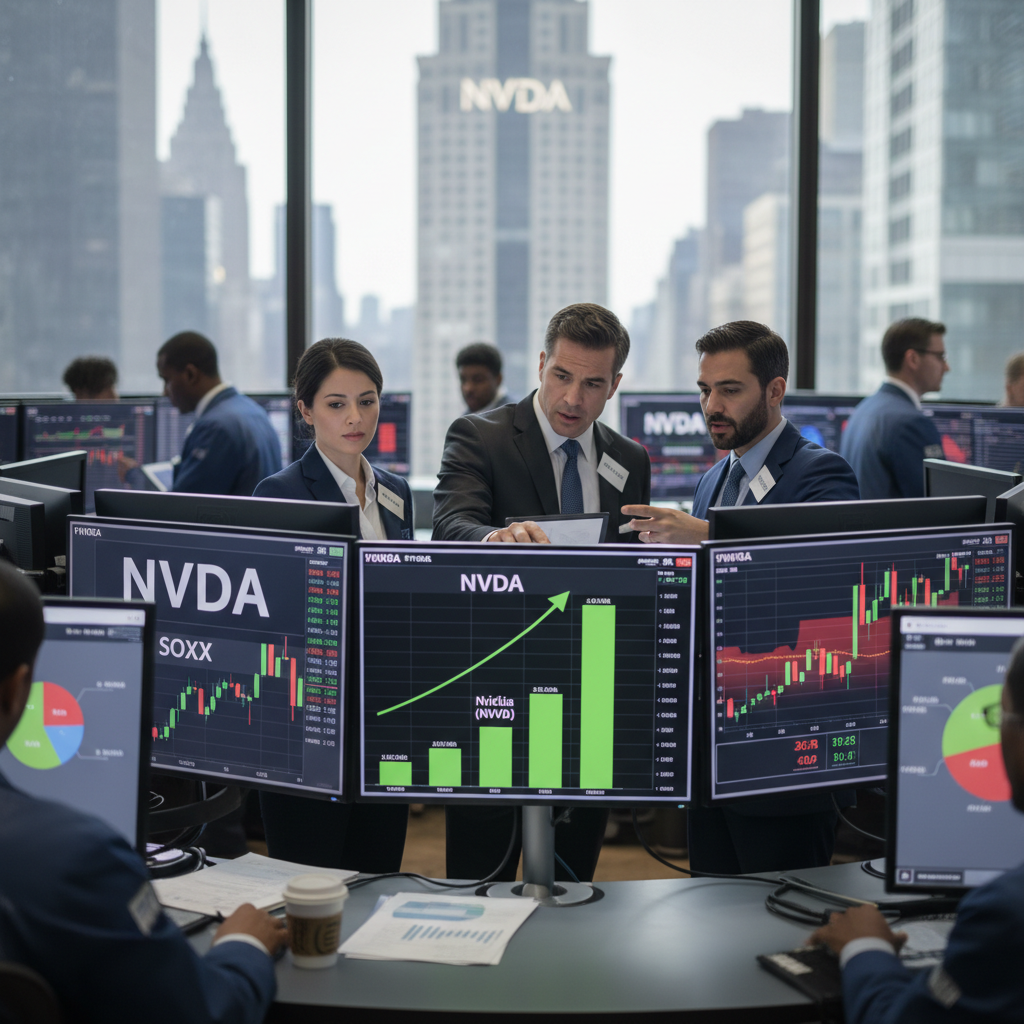
The headline is familiar: Nvidia climbs, AI ETFs ride the wave. But there’s a quieter, less glamorous story beneath the noise — many so-called AI ETFs are behaving like single-stock plays, even if their tickers suggest broader exposure.
The past year rewired fund flows. Retail and institutional money poured into ETFs tied to semiconductors, cloud providers, and a handful of narrow AI winners. That makes sense; chips and GPUs are the oxygen for large generative models. Still, the market’s reaction has been uneven and strikingly concentrated.
Why concentration matters
- A small number of names now dominate the performance of many AI and semiconductor ETFs. When one company rips higher — Nvidia is the obvious example — entire funds can move almost as if they owned just that stock.
- Concentration magnifies risk. A big rally feels great until a company misses earnings, a supply-chain snag appears, or geopolitics interrupts chip flows.
Think of buying into a genre and discovering the playlist features the same artist on repeat. Fun when tastes line up. Much less so when they don’t.
AI exposure isn’t one thing
AI stitches together several distinct pieces: hardware (chips, fabs), infrastructure (cloud, networking), software (LLMs, tooling), and data/services (labeling, security, consulting). Funds leaning toward hardware will behave very differently from funds heavy on software when the cycle shifts. That difference matters more than headline returns suggest.
Valuation and rotational risk
The rush into AI has driven multiples higher for the frontrunners. That creates obvious rotation risk: money can shift from chip makers into software platforms or vice versa. Concentrated ETFs feel those rotations sharply. Active managers can rebalance around changing fundamentals; many passive ETFs are constrained by their index rules.
What investors should check now
- Top-10 concentration and single-stock weights. Low single-digit weights are safer; double-digit holdings in one name should prompt a second look.
- Internal sector mix: how much is hardware versus software versus cloud?
- Turnover and index methodology: is the fund cap-weighted, equal-weighted, or a thematic index with rebalancing rules?
- Expense ratio and tax efficiency. Passive convenience isn’t free, and fees matter when expected returns compress.
A few counterpoints
Concentration is not inherently bad. When one firm genuinely drives an industry’s growth, concentrated exposure can be very profitable for investors who can tolerate the ride. For long-term holders who accept volatility, overweighting a leader might be reasonable.
If you prefer diversification, though, consider alternatives: broader tech or semiconductor ETFs with lighter single-stock weights; active or boutique strategies that rotate between hardware and software exposure; or building custom exposure through modest positions in individual companies rather than leaning on one ETF for everything.
The practical view
AI is changing computing, but enthusiasm alone isn’t an investment strategy. The current ETF wave has democratized access — and crowded certain risks into plain sight. Read the prospectus, check the weights, and treat AI-themed ETFs as tactical slices of a portfolio, not a one-stop forever bet.
This is a moment for careful distinction: the future of computing will be plural, not monoculture. Allocate with that in mind.