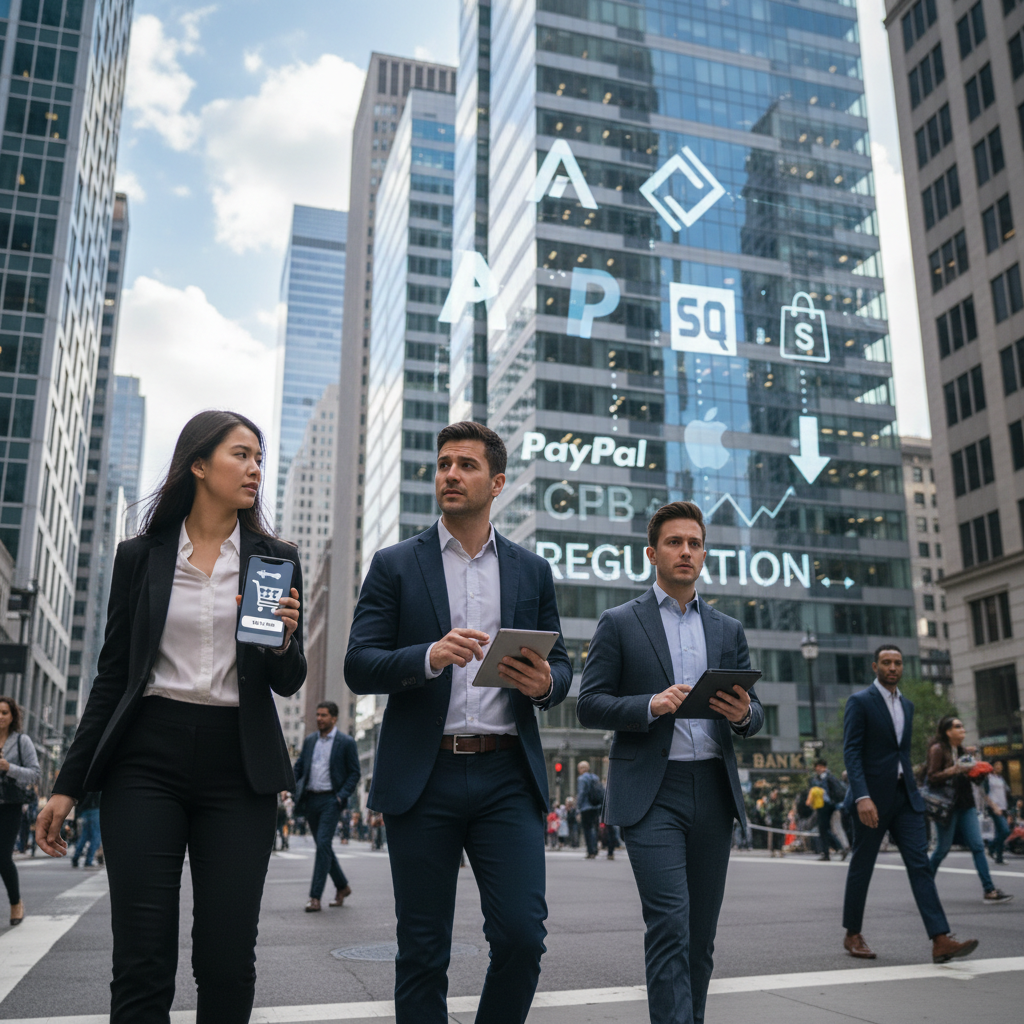
Short version: BNPL — the click-to-buy default at many checkouts — is under pressure. Regulatory attention, creeping delinquencies and choosier merchants are colliding. Expect a shakeout: some fintechs will attach to banks, some will add fees or interest, and a handful will be acquired or disappear.
Why this matters now
BNPL scaled quickly because it’s easy to sell and converts like nothing else at checkout. But the economics depend on cheap funding, minimal underwriting and steady consumer repayment habits. Those supports are fraying. Regulators are moving toward treating some BNPL plans more like traditional credit; macro stress is nudging up missed payments; and merchants are increasingly unwilling to tolerate high fees or a tangle of third‑party buttons. So firms face blunt choices — partner with a bank, start reporting to credit bureaus, or accept thinner margins and higher acquisition costs.
What’s interesting is how pragmatic these moves are. They’re not visionary pivots; they’re survival tactics.
What’s changing on the ground
- Regulatory pressure is real and practical. The CFPB and a number of states are proposing tighter disclosure and underwriting expectations. Providers are rewriting terms and adding up‑front checks to avoid later enforcement headaches.
- Merchant math is getting pickier. Many retailers are shifting toward simpler installment options baked into card processors or banks, rather than maintaining multiple BNPL buttons that make reconciliation a nightmare.
- Product evolution is underway. Expect more “banked” BNPL — loans issued or guaranteed by regulated banks — and hybrids that combine small upfront fees with explicit APRs (no more pretending interest doesn’t exist).
Players to watch
- Pure-play BNPL firms will have to choose paths: squeeze costs and keep interest-free offers; bind themselves to banks for capital and compliance; or become explicit credit products with APRs.
- Big platforms — wallets, payment rails and card networks — can fold BNPL-like flows into their core services. That will compress margins for independents but raise the switching cost for users.
Examples and comparisons
- This feels a bit like the early credit-card era: lots of product innovation, then a regulatory catch-up that standardized disclosure and underwriting.
- Apple Pay Later is a useful datapoint. A large tech player with balance-sheet partners can absorb compliance and capital costs that smaller fintechs simply can’t — and that gives incumbents an advantage.
Risks and pushback
- Critics say BNPL hides the real cost of borrowing and fuels impulse buys. Supporters respond that for many shoppers BNPL reduces friction and provides a clear short-term pay-over-time option without revolving debt.
- There’s a tension: overly strict rules could choke off credit access for thin‑file consumers and slow innovation. But lax oversight risks consumer harm and the kind of public blowups that could taint the whole sector.
What this means for consumers, merchants and investors
- Consumers: expect clearer disclosures, more frequent credit checks, and the occasional fee or interest charge if you miss payments.
- Merchants: prepare for consolidation among BNPL vendors and for more integrated offerings coming from card networks and banks.
- Investors: look for margin compression and M&A. Winners will be firms with strong bank ties, diversified revenue, or sticky merchant integrations.
Where this leaves us
The BNPL era isn’t ending; it’s being normalized. The model that sold frictionless credit now needs to prove it can survive cycles — through compliance, dependable capital and economics that hold up under stress. For users and merchants that probably means less shine but more predictability.