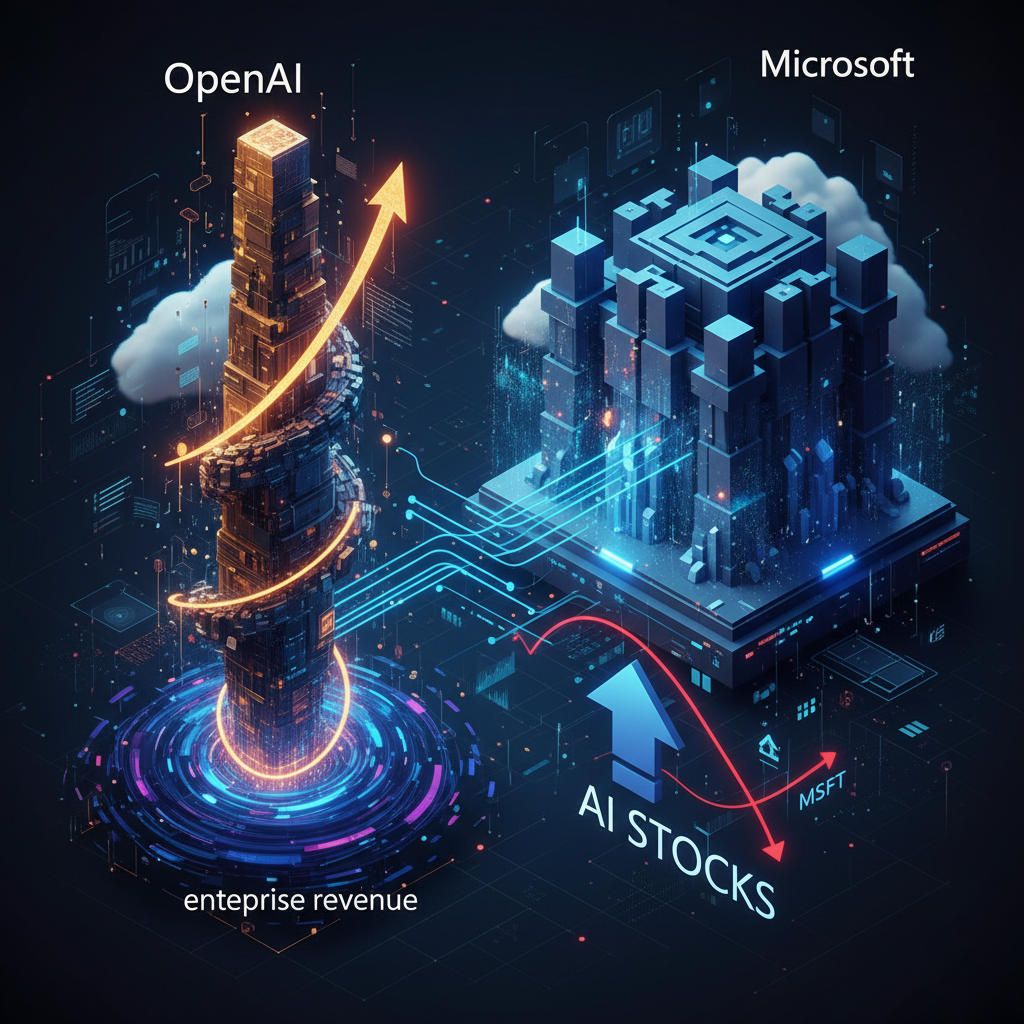
OpenAI, the artificial intelligence research and deployment company, is reportedly on track to generate enterprise-level revenue exceeding $3.4 billion in 2024. This figure represents a significant increase from an estimated $1.6 billion in 2023, indicating robust demand for its AI models and services among corporate clients.
The substantial revenue growth is primarily driven by subscriptions to its ChatGPT enterprise offering and API access for developers. Businesses are increasingly integrating OpenAI's large language models into their operations, leading to higher adoption rates and increased usage volumes.
Microsoft, a cornerstone investor in OpenAI, holds a reported 49% stake in the company's for-profit subsidiary. Under the terms of their agreement, Microsoft is entitled to a significant portion of OpenAI's profits until its initial investments, reportedly around $13 billion over several years, are recouped.
While specific financial details of the profit-sharing arrangement remain private, OpenAI's accelerating revenue generation suggests a faster path to profitability. This could expedite the timeline for Microsoft to begin realizing a return on its substantial investment, potentially impacting its future earnings reports positively.
However, the unique structure of the partnership also means Microsoft continues to bear the considerable operational costs associated with powering OpenAI's intensive AI models. Azure, Microsoft's cloud computing platform, provides the necessary infrastructure, and the scale of resource consumption is a key factor in the economics of their collaboration.
As OpenAI's enterprise client base expands, the demand for computational resources supplied by Azure is also expected to rise. The precise balance between OpenAI's growing revenue and the associated infrastructure costs for Microsoft will be a continuing point of analysis for investors tracking the long-term financial benefits of this strategic alliance.
Industry analysts are closely monitoring the interplay between OpenAI's independent commercial success and its tightly integrated relationship with Microsoft. The financial implications for both entities will depend on the continued adoption of OpenAI’s services and the evolving cost structures of cutting-edge AI infrastructure.