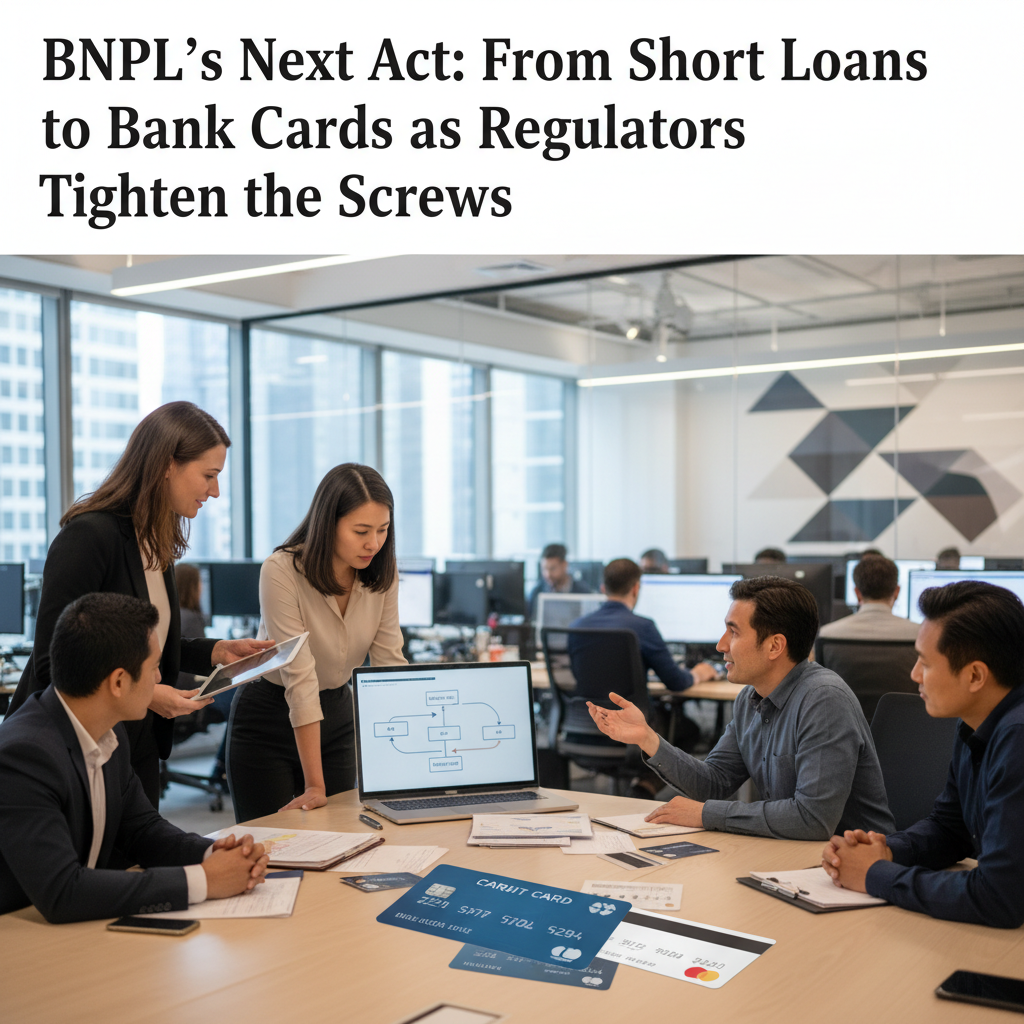
At checkout, the BNPL button is changing shape. What started as a cheeky “pay in a few bites” option for millennials is quietly turning into something less glamorous but more stable: bank‑backed credit rails and card‑like products that behave a lot like traditional consumer credit.
The pandemic turbocharged BNPL adoption, but reality caught up. Regulators, economists and investors began pushing on disclosure, repayment stress and hidden merchant incentives. The upshot: fintechs and merchants are shifting strategy, and that shift deserves a closer look.
How the products are shifting
- Fintechs are leaning on banks and card networks instead of building proprietary, off‑balance‑sheet loan books. It eases capital pressures. It also squeezes margins.
- The lines between installment plans, revolving cards and point‑of‑sale lines are blurring. Don’t be surprised to see fewer “pay in 4” buttons and more hybrid offers that feel and act like credit cards.
- Repayment histories are increasingly ending up on credit reports—sometimes voluntarily, sometimes because regulators are nudging that way. That moves risk assessment back toward traditional credit scoring.
What’s interesting here is that the convenience consumers liked remains. But the costs and consequences start to look familiar: late fees, interest accrual, impacts to credit scores.
Why this matters
- Consumers: you keep the ease, but you also inherit many of the long‑term effects of borrowing. For some people that’s fine; for others it’s a surprise.
- Merchants: BNPL still lifts conversion, but if interchange or bank terms rise, the unit economics change.
- Incumbents: banks and card networks regain influence. They were caught off guard early on; now BNPL depends on their pipes.
Real‑world signs
- Big BNPL platforms have quietly expanded bank and processor partnerships, embedding installments into existing card rails. Not sexy — but durable.
- Some fintechs offer products that convert to revolving credit after a promotional period. It keeps customers sticky and shifts underwriting risk.
- Regulators across jurisdictions are tightening disclosure expectations. Even without a single rulebook, market pressure is forcing more transparency.
A brief history helps explain the move. BNPL’s early pitch—fast approvals, low friction, merchant subsidies—worked spectacularly well for growth. But that model leans on thin underwriting and scale. When delinquencies rise or merchant margins compress, the math gets capital‑intensive. Financial innovations that scale tend to fold back into the banking system; think prepaid cards or payday alternatives. BNPL looks to be following that familiar arc.
Risks, likely winners and a contrarian angle
- Risk: If BNPL becomes indistinguishable from credit cards in cost and reporting, the appeal—especially among younger users—could fade.
- Winners: Large incumbents (Visa, Mastercard, big banks) and fintechs that accept slimmer margins for scale. Merchants who negotiate better economics could also win.
- A contrarian thought: this may be healthier overall. Frictionless credit without meaningful reporting or underwriting was always exposed to regulatory scrutiny. Folding BNPL into established rails could mean fairer pricing for lower‑risk borrowers and clearer consumer protections.
Signals to watch
- Guidance or rule changes from federal agencies about disclosure and credit reporting.
- New products that convert installments into revolving credit—those launches will show whether players chase growth or profitability.
- Merchant negotiations: if retailers push back, expect more joint ventures or white‑label bank arrangements.
The upshot: BNPL isn’t dying. It’s evolving. Margins, risk profiles and customer experience are being rewritten around bank rails and card‑like behaviors. For consumers that could mean steadier products but fewer surprises at checkout. For investors and operators, the game is now execution, partnerships and regulatory navigation — not clever marketing.