What just changed?
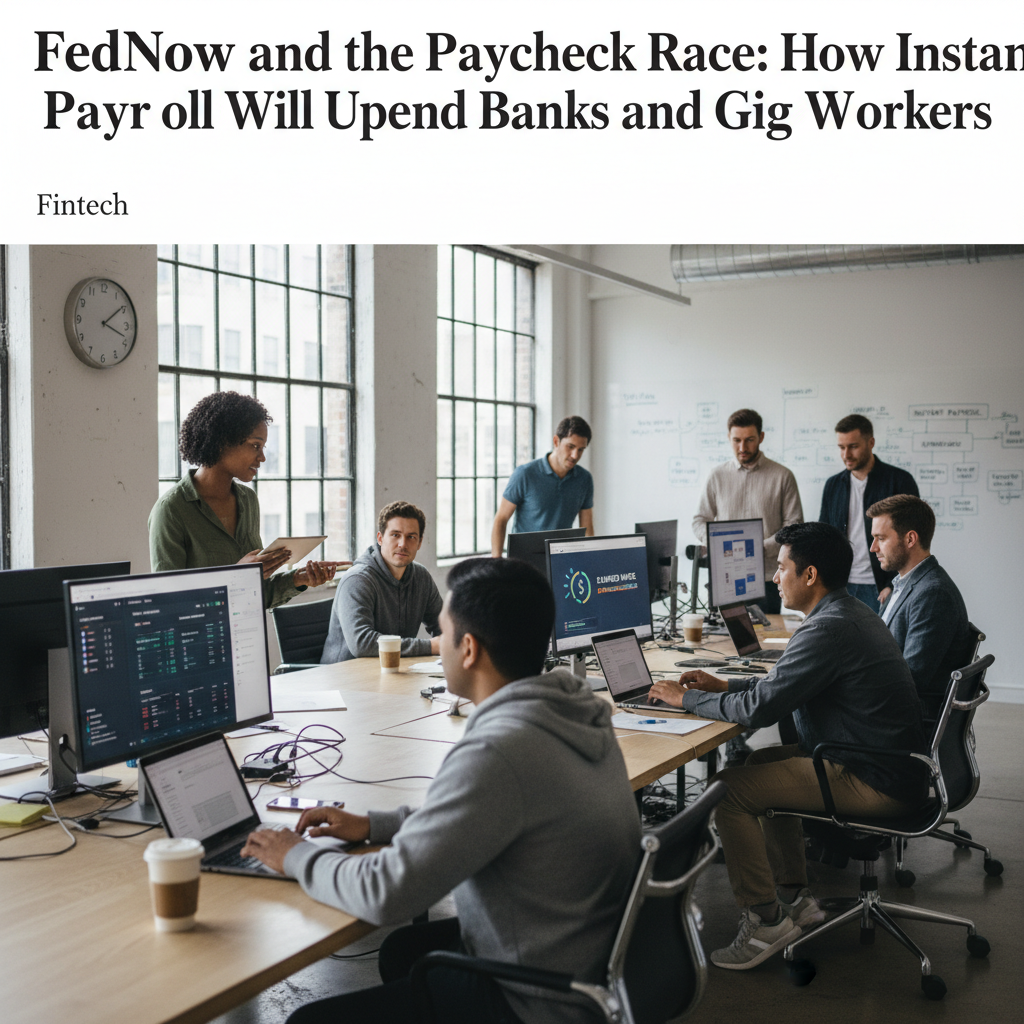
FedNow, the Federal Reserve’s instant-payments rail that launched in 2023, is finally moving from curiosity to utility. After a year of pilots and guarded interest, payroll vendors and fintechs are adopting it in ways that make real-time wage disbursement practical: employers can push pay immediately, and workers can be paid minutes after a shift instead of waiting for the usual payroll cycle.
Why it matters
- Workers get liquidity. For hourly and gig workers, immediate access to earned pay cuts reliance on payday loans and expensive card cashouts.
- Banks and payroll platforms face a strategic choice. Absorb the cost to keep customers loyal, or charge per transaction and create premium tiers.
- Fintechs see room to compete. On-demand-pay businesses want FedNow to remove settlement friction and lower the cost of instant payouts.
What’s interesting is that the benefits aren’t evenly spread. Some employers and banks will move quickly; others won’t. That unevenness shapes who wins next.
A short history that explains this moment
The U.S. has been catching up on faster payments for a decade. The Clearing House’s RTP and other private rails existed first, but the Fed’s entry loosened single-network lock-in and gave smaller banks a clearer path to true instant settlement. Think of 19th‑century rail standardization, except now the commodity is money and the schedule is measured in seconds.
Where the business-model tug-of-war will happen
- Payroll providers want stickiness: add instant pay to keep employers from switching.
- Banks worry about lost deposit float. If wages leave accounts immediately, that steady, low-cost capital evaporates.
- Card networks and BNPL firms could try to wedge in, offering cards or short-term credit when employers or banks hesitate.
Risks and friction points
- Behavioral and overdraft risk. Faster pay won’t automatically improve household budgeting; some workers may spend early and then hit bills later.
- Fee creep. Today’s free perk can turn into per-transaction charges, subscriptions, or revenue shares with intermediaries.
- Integration drag. Mid‑size employers with legacy HR systems will be slow to change, so adoption will be patchy for a while.
Concrete examples
- Gig platforms that already pay on demand will use FedNow to reduce the cost of settlement and stop funding payouts with float.
- Large payroll firms can add instant pay as a premium, protecting share—but that risks reducing payroll to a list of features rather than a better service.
Who gains
- Short term: nimble fintechs and payroll apps. They can retrofit UX quickly and market instant pay aggressively.
- Medium term: platforms that pair instant access with budgeting and savings controls. Instant pay without guidance is a half-finished product.
- Long term: incumbents that adapt. Big banks and payroll providers still hold employer relationships and compliance expertise; they only lose ground if they ignore the change.
What employers and workers should do now
- Employers: run a pilot for part of the workforce. Watch churn, payroll errors, and administrative overhead before committing to a full rollout.
- Workers: treat instant pay as convenience, not a replacement for a buffer. Use payroll-linked savings features when available.
The point
FedNow won’t solve payroll headaches by itself. It shifts incentives. When money can move in seconds, product design, pricing and human behavior become the competitive battlegrounds. Expect headlines about faster pay, and quieter, slower shifts in how companies charge for — and manage — that new tempo.
Signals to watch
- Partnerships between payroll vendors and Fed-connected banks.
- New fee schedules from providers offering instant disbursements.
- Adoption by large employers—once they commit, smaller firms tend to follow.
If you care about paydays—as an employee, a business owner, or an investor—this is the fintech trend to keep an eye on this year.