Fintech
Fintech's New Frontier: How Embedded Payments Are Quietly Reshaping American Commerce
Seamless transaction tech is not just buzz—it's transforming daily spending with unexpected reach and impact.
P
Pedro Marini
May 22, 2026 · 4 min read
Seamless transaction tech is not just buzz—it's transforming daily spending with unexpected reach and impact.
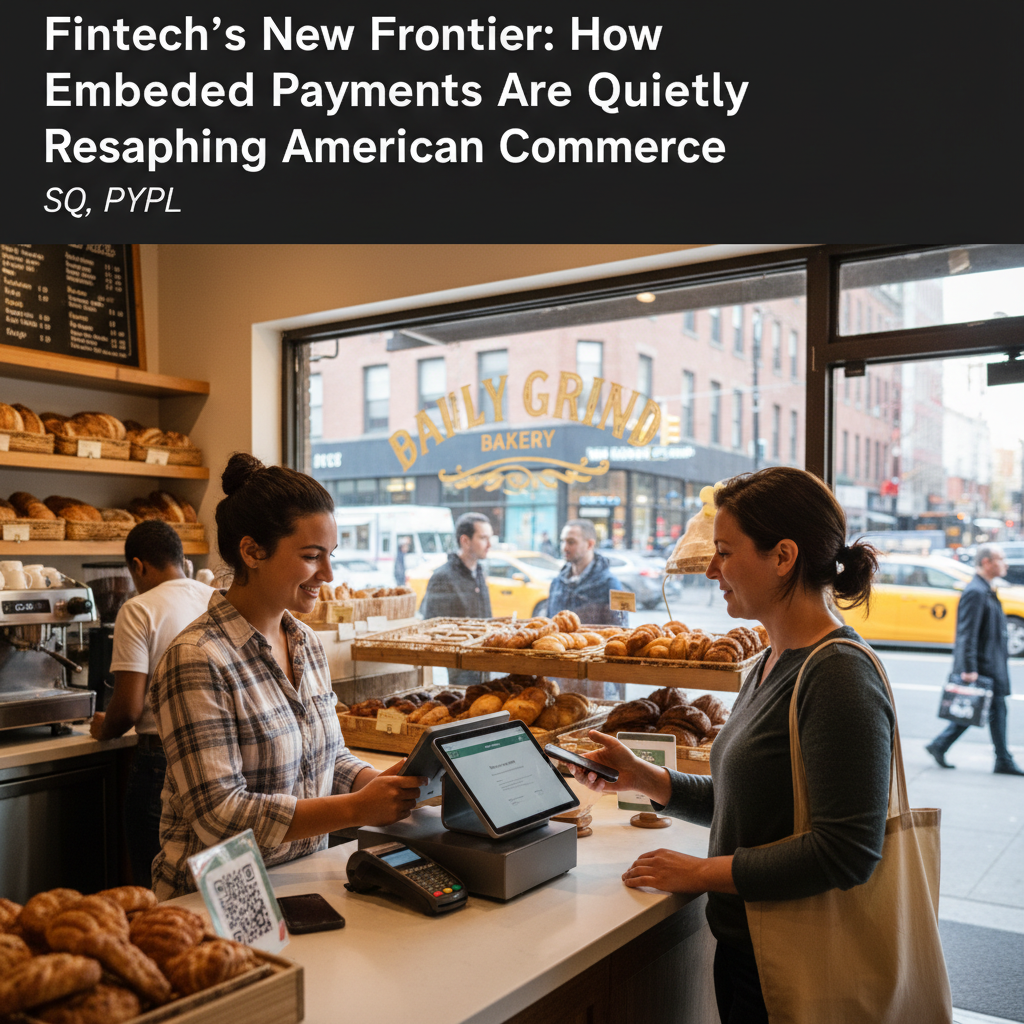
Illustration by IMF Alpha editorial · Reviewed by Pedro Marini
Walk into any app you use daily. Chances are you can now buy, tip, subscribe or settle a bill without ever leaving it. That’s embedded payments: payment rails buried under interfaces, invisible until the moment money changes hands. It’s not flashy. It’s relentless.
Here’s the blunt thesis: embedded payments aren’t just a UX upgrade. They’re a new profit center for platforms and a structural threat to banks, card networks and legacy point‑of‑sale vendors. Whoever owns the payment touchpoint owns more of the customer — and the revenue that follows.
Why this matters right now
Real examples, not vaporware
The winners and the losers Winners:
Losers:
Risks aren’t hypothetical Privacy and data centralization are obvious vulnerabilities. When your social app is also your checkout, it knows what you buy and when. That feeds personalization — and profiling. The concentration of sensitive financial flows inside a small number of platforms heightens systemic risk. A single outage, a breach, or a regulatory clampdown could ripple through entire merchant ecosystems.
Fraud is getting cleverer, too. Seamless checkout is a boon for legitimate buyers and for organized abuse. Platforms that rush to monetize payments without robust anti‑fraud tooling will pay for it in chargebacks and reputation.
Regulation will catch up — messily. In the US, the CFPB has started focusing on buy‑now‑pay‑later (BNPL) and non‑bank lending embedded into ecosystems. The EU’s PSD2 and UK open banking regimes nudged the market toward data portability and competition; the American approach is more fragmented. Expect local and sectoral crackdowns rather than one tidy federal framework.
What investors and execs should watch next
An inconvenient truth: embedded payments favor scale Small fintechs can build excellent tech; they rarely win the distribution battle. Platforms with millions of users sit on a flywheel: each transaction improves the product, which drives more users, which justifies more financial services. That feedback loop is why investors are comfortable paying premiums for embedded payments businesses that can show both volume and the ability to monetize the data layer.
A quick, practical scorecard for CFOs and product chiefs
Final thought — not a platitude Embedded payments are the plumbing of modern commerce. Invisible until it fails. Platforms that master it will not only get paid faster; they will rewrite merchant economics. That’s thrilling for startups and terrifying for legacy players.
If you care about the future of retail, hospitality, healthcare billing or the gig economy, watch the checkout. It’s where power is quietly changing hands.

Nvidia's dominant position in AI chip supply continues to drive hyperscaler capital expenditure, with major cloud providers signaling sustained investment.
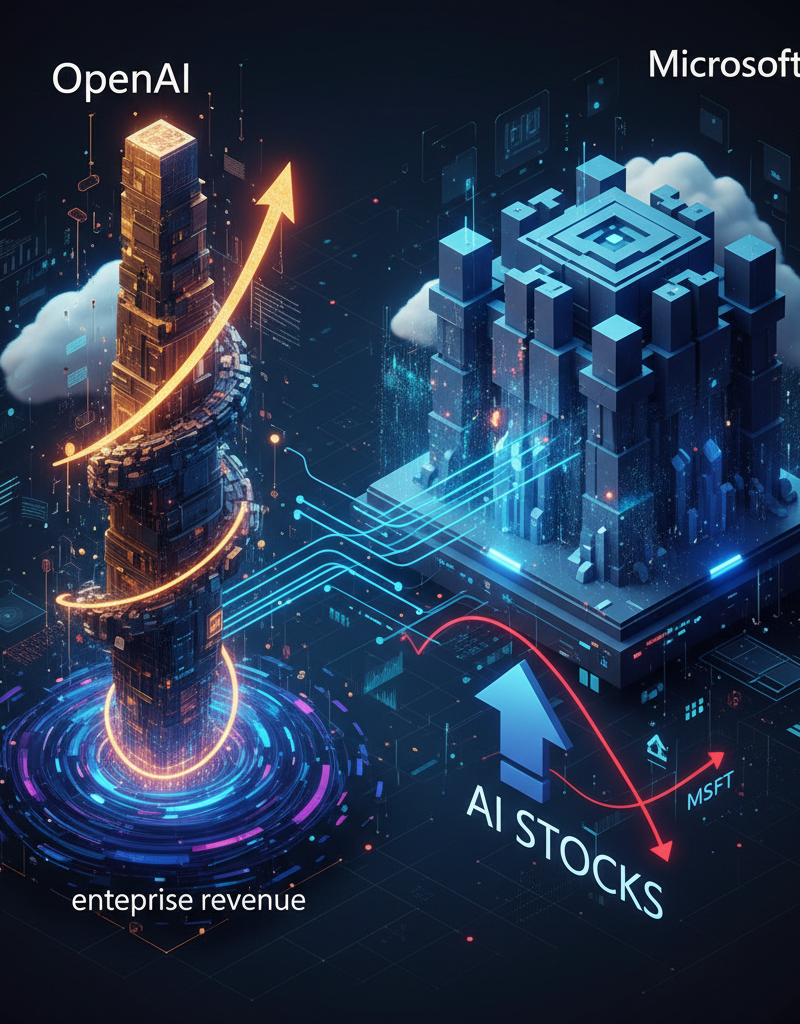
OpenAI's enterprise revenue is experiencing substantial growth in 2024, raising questions about the financial implications for its primary investor, Microsoft.

Companies are trading raw user logs for engineered data and locked-down pipelines. That shift reshapes winners, risks, and regulation in the U.S. AI market.