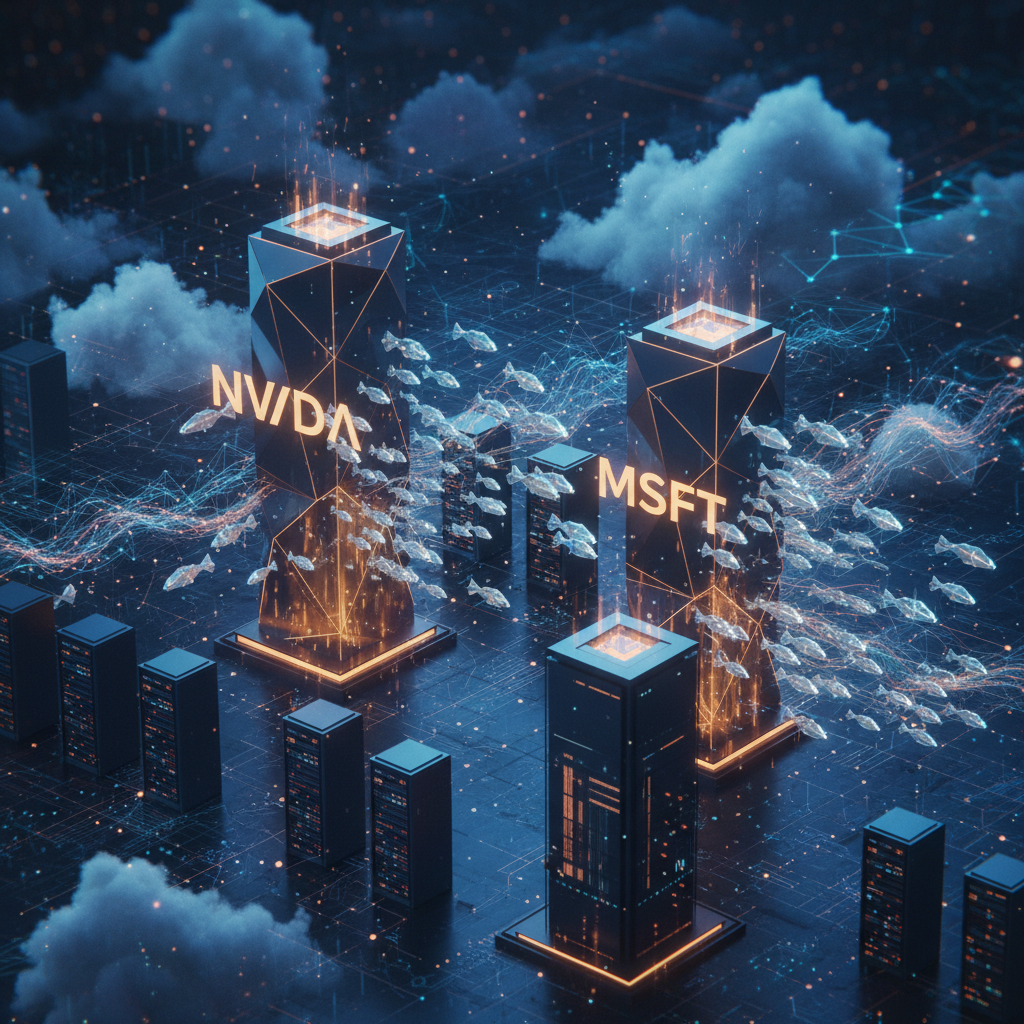
As artificial intelligence quietly reshapes sectors from healthcare to finance, hedge funds are placing large bets on a handful of key players fueling the AI boom. Two stocks, Nvidia (NVDA) and Microsoft (MSFT), are attracting outsized attention - and for good reason.
Why Nvidia?
Nvidia’s GPUs remain the backbone of AI training and inference tasks, driving explosive demand. The company’s recent earnings beat and robust data center revenue growth reflect broad adoption across cloud services and enterprise AI projects. Hedge funds see this as a long-term growth engine, especially as generative AI models explode in popularity.
Microsoft’s AI Surge
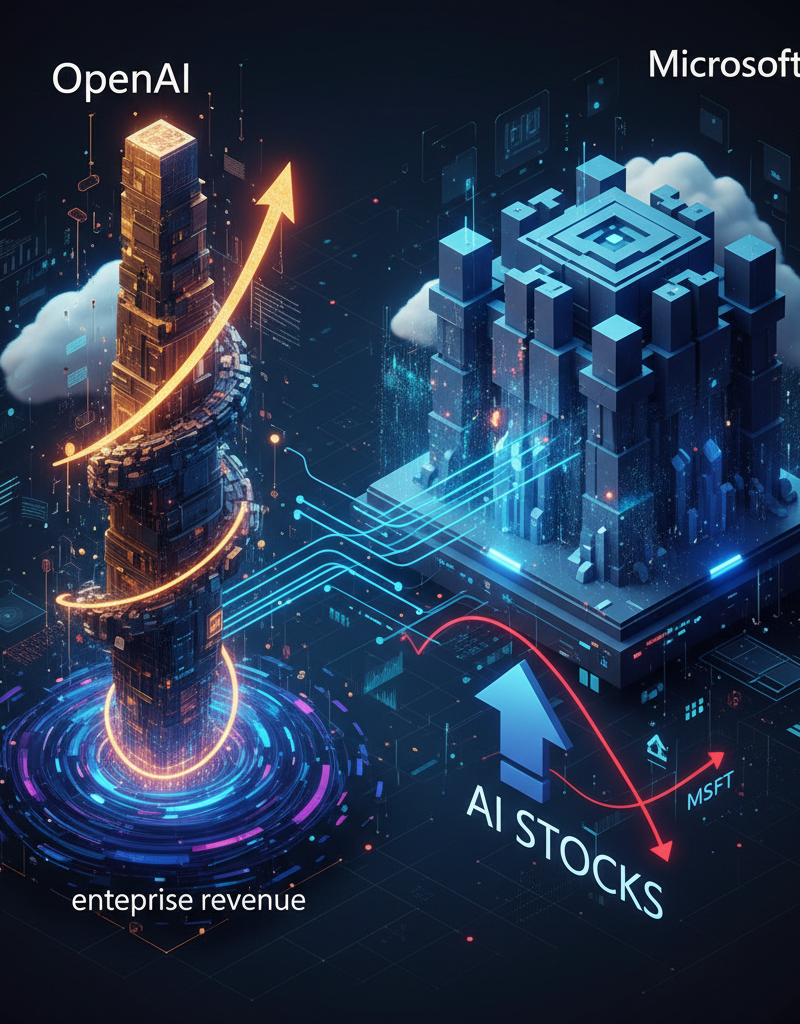
Microsoft’s partnership with OpenAI and aggressive integration of AI capabilities into Azure and Office 365 is making its stock a natural hedge on the AI future. AI-powered productivity tools and cloud offerings are turning MSFT into a direct beneficiary of AI hype turning into real earnings.
What This Means for Investors
- Hedge funds’ increased positions in NVDA and MSFT suggest confidence that AI’s business impact is accelerating.
- These bets highlight a shift from speculative AI startups to established giants with scalable infrastructure and proven revenue.
- Investors should watch earnings guidance and AI product adoption signals closely for early signs of sustainable AI-driven growth.
Context and Numbers
- Nvidia shares have surged over 150% in the past 12 months despite broader market volatility.
- Microsoft’s stock is up roughly 45% in that period, buoyed partly by AI-related announcements.
- Hedge fund data from recent filings shows significant position increases in both stocks across major funds.
The AI investment narrative is evolving rapidly. Hedge funds are no longer just dabbling; they are staking serious capital on the companies best positioned to commercialize advanced AI technologies. For the average investor, understanding these moves provides clues on where the AI economy’s growth will concentrate next.