A new playbook for advice
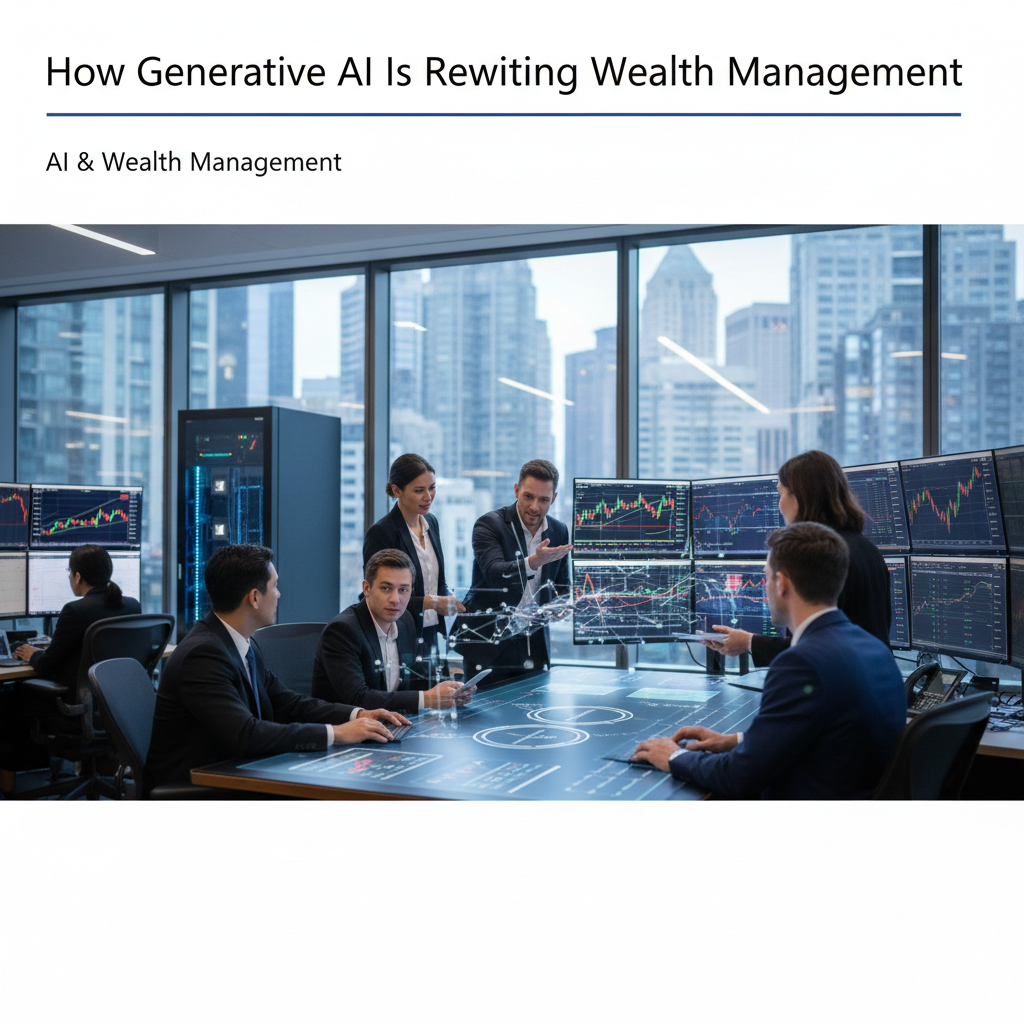
Wealth management is no longer just about asset allocation and performance reports. Generative models and large language systems are being stitched into trading engines, client portals and compliance workflows, promising personalized plans at scale. The upside looks like efficiency and better client engagement. The downside is a new stack of operational and fiduciary questions nobody wants to inherit.
A quick history lesson
Robo-advisors kicked off the automation wave in the 2010s, replacing simple rebalancing with algorithmic advice. That was iteration one. What’s happening today feels different — it’s about narrative, nuance and scenario-building, not only about running portfolios. Advisors who once followed checklists can now offer conversational planning that adapts to lifestyle shifts in real time. It’s more human in tone, oddly enough, but also more machine-driven under the hood.
What firms are actually doing
- Embedding models in client-facing chatbots to produce plain-English plans and tax-aware suggestions. The aim: make advice understandable, not just numerically precise.
- Using models to synthesize alternative data — from spending patterns to social signals — to tighten cashflow forecasts and projection scenarios.
- Automating compliance summaries and audit trails so advisors can scale work without drowning in paperwork.
These features are moving from pilot projects to production at major custodians and asset managers. That migration is accelerating partnerships between financial firms and cloud vendors, and explains why chipmakers and AI platforms now matter to investors watching the sector.
Why this matters to investors
- Personalization at scale. Communications and portfolio nudges respond to short-term life events as well as long-term risk profiles.
- Fee and margin pressure. Automation lowers operating costs, which will push product packaging and pricing in new directions.
- Operational risk. Model hallucinations, stale training data and vendor outages can — and will — translate into real client harm if not managed.
Trade-offs and real limits
These models are great storytellers. They are not, by default, reliable arbiters of law or tax nuance. Constraining them is hard work: guardrails, human review, version control. Human judgment still matters when estate plans, complex tax situations or behavioral nudges are involved. Expect ultra-high-net-worth clients to keep paying for bespoke human teams; mass-market clients will see the biggest changes.
Regulation and fiduciary duty
Regulators are watching closely. The SEC and state agencies want clearer disclosures about how advice is generated and who bears responsibility. Firms that treat models as black boxes may face legal exposure if an automated recommendation causes material loss. That risk is not hypothetical.
Practical questions for your advisor
- Are AI tools directly shaping my financial plan, or are they mostly behind-the-scenes for operations?
- What data sources feed the models and how often are those inputs refreshed?
- How do you test for errors, bias or hallucinations — and how often do you run those tests?
- If automation changes fees or service levels, how will I be notified? Who handles escalations?
Ask them, and then push until the answers feel concrete.
What to watch next
- Deeper partnerships between wealth managers and cloud/AI providers — they will shape product roadmaps.
- Regulatory guidance that forces clearer disclosures about model use and liability.
- Pricing moves: expect fee compression in mass-market products while bespoke services keep premium pricing.
Editorial take
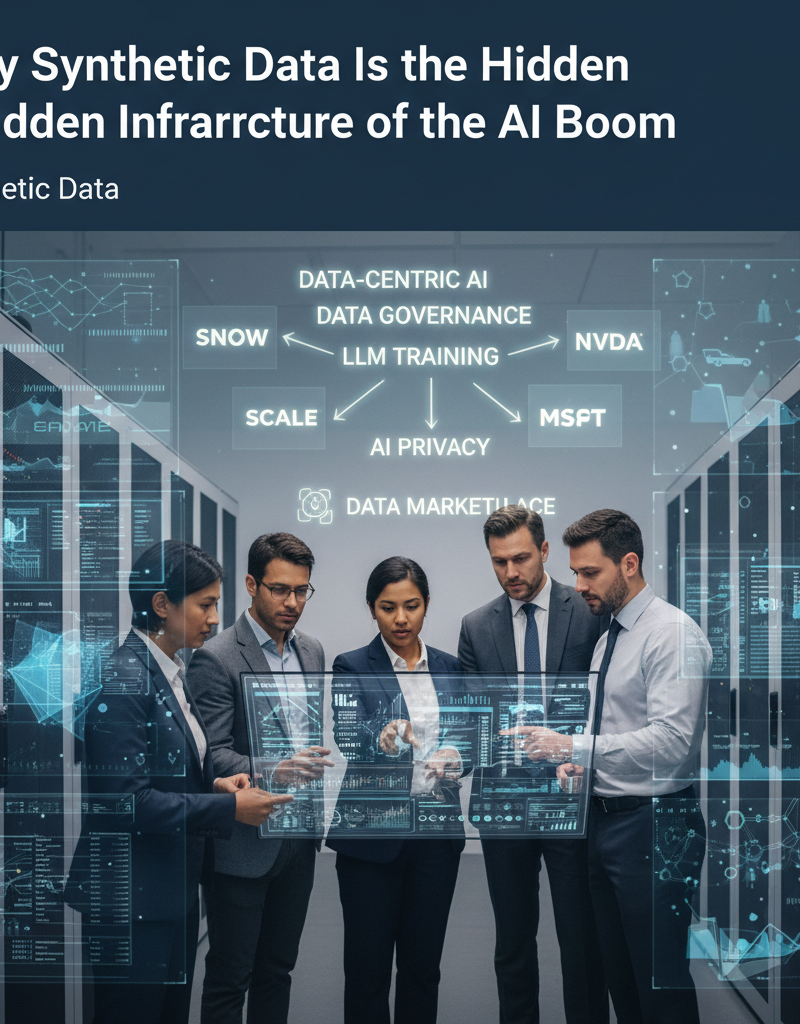
Generative systems will make financial advice more accessible and clearer for many clients. But the firms that do best will be those that combine disciplined data governance, transparent client disclosure and selective human oversight. The technology’s promise is real; the outcome will depend on who gets accountability right. Stay curious, stay skeptical, and insist on plain answers about who is legally and practically responsible when a model gets something wrong.