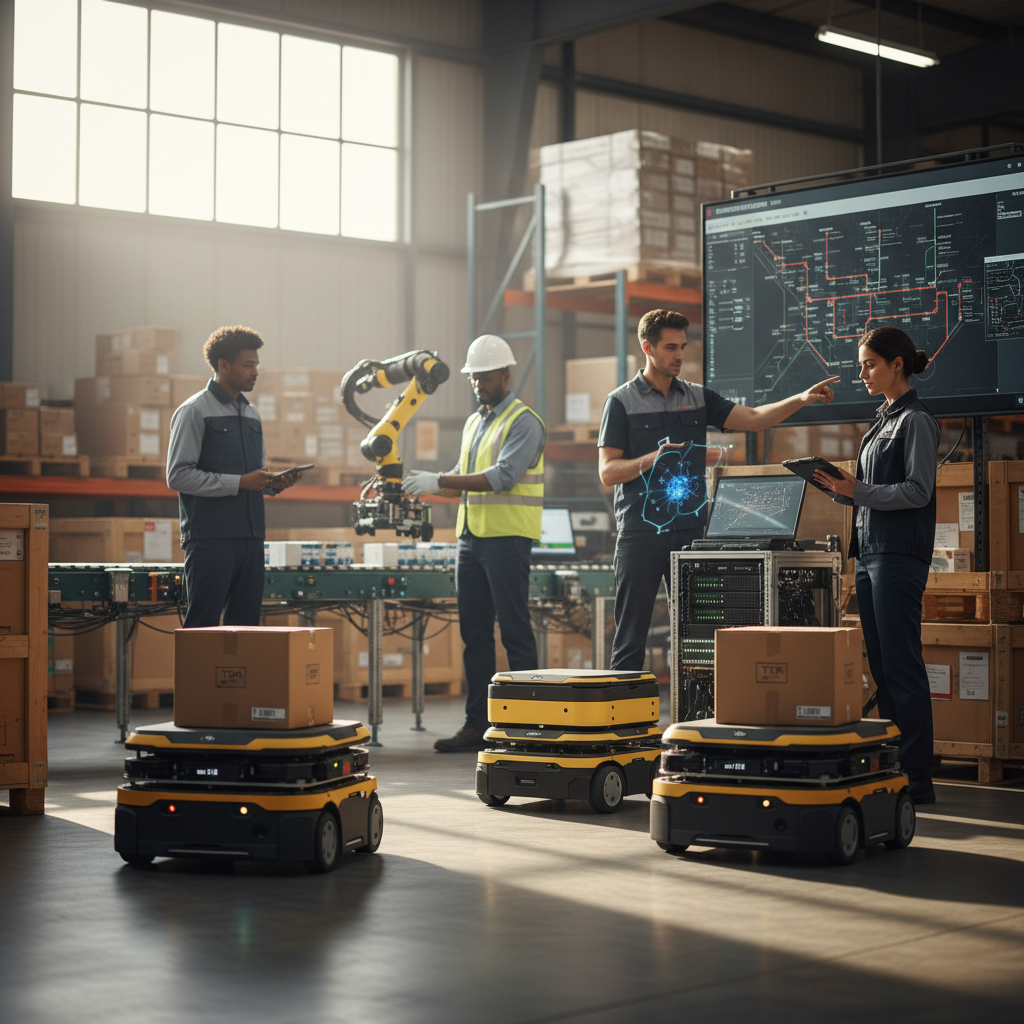
The automation story of 2026 isn’t a single robot — it’s the payment plan.
Five years ago, warehouse robotics was an institutional play: huge CapEx, months with integrators, project teams and board sign-offs. Today the change is quieter but just as consequential. Companies that used to sell forklifts now offer robots on subscription. That shift in financing is what’s opening automation to smaller warehouses and regional 3PLs.
Why this matters
- Labor pressure + e‑commerce: Persistent hiring shortages and higher wages make even modest automation pay off faster. When robots show up as a predictable monthly expense, the math suddenly looks very different.
- Cloud orchestration: Fleet control is cloud-native now, with over‑the‑air updates. Integration that once took months can be measured in weeks.
- Edge compute + AI: More systems put inference at the edge — often on the same class of chips powering modern AI — so robots behave reliably in messy, real‑world settings.
Notable economics
- RaaS (robot‑as‑a‑service) replaces a 3–5 year CapEx cycle with a running monthly fee that usually bundles maintenance, software and upgrades. Entry costs fall and much of the deployment risk shifts to the vendor.
- For a small regional DC, a modest AMR fleet that would have been a six‑figure upfront bet can now be rented for a few thousand dollars a month. Sometimes vendors even offer revenue‑share deals tied to throughput gains. That changes who can sign the purchase order.
Who’s winning — and why you should care
- Vendors that package hardware, software and financing have an advantage. Think back to how cloud providers bundled compute and credits; bundling here accelerates adoption the same way.
- Critical stack pieces: AMRs and piece‑picking hardware, warehouse orchestration software, edge AI chips, and third‑party financing platforms. Firms that do more than one of those things — and do them well — will outpace pure‑play sellers.
Risks and pushback
- Integration hangovers still happen. RaaS reduces barriers, but floor layouts, SKU mixes and seasonal surges can still trip up deployments.
- Hidden cost drift: some subscription contracts carry escalation clauses or extra fees for higher software tiers and rapid scale‑ups. Read the fine print.
- Labor and politics: faster automation raises local workforce concerns. Expect tougher bargaining over redeployment, retraining funds, and phrasing in union contracts.
Why investors should pay attention
- The addressable market expands. Vendors no longer need to sell only a few high‑value systems to big enterprises; they can sign hundreds of smaller recurring contracts instead.
- Execution matters more than one‑off margins. Hardware reliability, software stickiness and clean financing economics are the levers that separate winners from decent sellers. Not every company can scale those pieces simultaneously.
A quick competitive sketch
- Hardware leaders that accept subscription economics can grow margins through recurring service revenue.
- Orchestration software firms pick up network effects as more warehouses standardize on the same stack.
- Edge compute suppliers — chips and AI accelerators — get a tailwind from demand for low‑latency inference on the floor.
This is less a radical technology rupture than a commercial one. Rethinking how automation is bought — not just what it does — is opening up new customers and turning automation from a strategic gamble into something that can be budgeted like any other operational expense. Expect faster rollouts, more inventive financing structures, and louder debates over the social trade‑offs.
If you run a distribution center, the real question now isn’t whether robots work — it’s whether you can afford not to try one on a monthly plan.