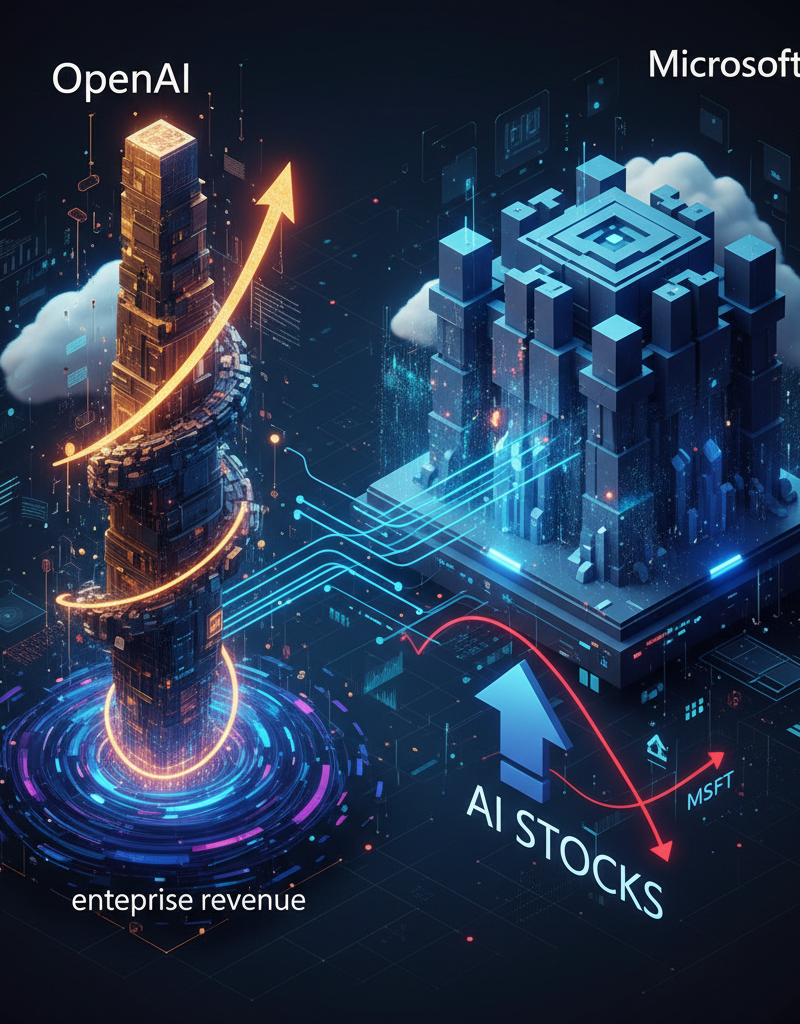
OpenAI, the artificial intelligence research and deployment company, is projected to reach an annualized revenue run rate of over $3.4 billion by the end of 2024, a substantial increase from its approximately $1.6 billion run rate in late 2023. This growth is largely attributed to the increasing adoption of its enterprise solutions, particularly through its API services and custom deployments for large organizations.
The strategic partnership with Microsoft remains central to OpenAI's financial success and operational scale. Microsoft's multi-billion dollar investment, estimated at over $13 billion to date, grants it a significant stake in OpenAI's profits. Reports indicate Microsoft is entitled to 49% of OpenAI's profits until its investment is recouped. Following this, Microsoft's stake is expected to transition to a more traditional equity holding, with an option for a full acquisition under certain conditions.
Microsoft's Azure cloud computing platform provides the foundational infrastructure for OpenAI's large language models, including GPT-4 and DALL-E. This enables OpenAI to scale its operations efficiently without incurring the massive capital expenditures typically associated with building and maintaining such advanced AI infrastructure. The collaboration also embeds OpenAI's technologies directly into Microsoft products, such as Copilot within Microsoft 365, expanding their reach to a vast enterprise user base.
Financial analysts estimate that the integration of OpenAI's models into Microsoft products could generate billions in additional revenue for Microsoft over the next few years. For example, some projections suggest that Microsoft 365 Copilot alone could add several billion dollars to Microsoft's annual revenue by 2026, driven by higher subscription tiers and increased productivity offerings.
OpenAI's enterprise solutions appeal to diverse sectors, including finance, healthcare, and software development, leveraging its models for tasks ranging from customer service automation to complex data analysis. The company focuses on developing AI tools that offer demonstrable return on investment for businesses, fostering long-term contractual engagements.
Despite its revenue growth, OpenAI continues to face significant operational costs, primarily in research and development, and the substantial computational power required to train and run its advanced AI models. The company's ongoing efforts to monetize its technologies and explore new revenue streams are crucial for its continued profitability and independence amid increasing competition in the AI sector.
The intricate financial arrangements between OpenAI and Microsoft illustrate a unique model for technology collaboration. This setup provides OpenAI with capital and infrastructure while giving Microsoft a strategic advantage in the rapidly evolving artificial intelligence landscape. The success of this partnership will likely influence future collaborations within the tech industry.