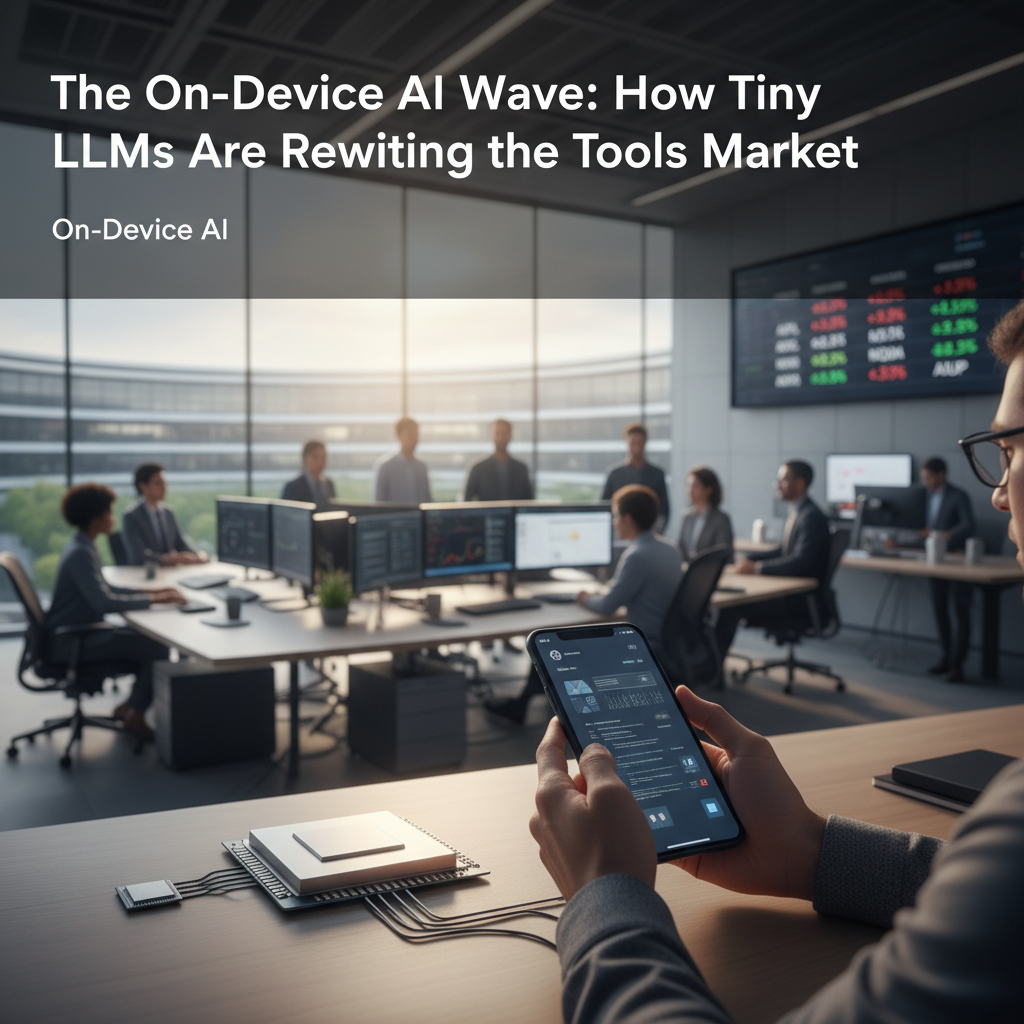
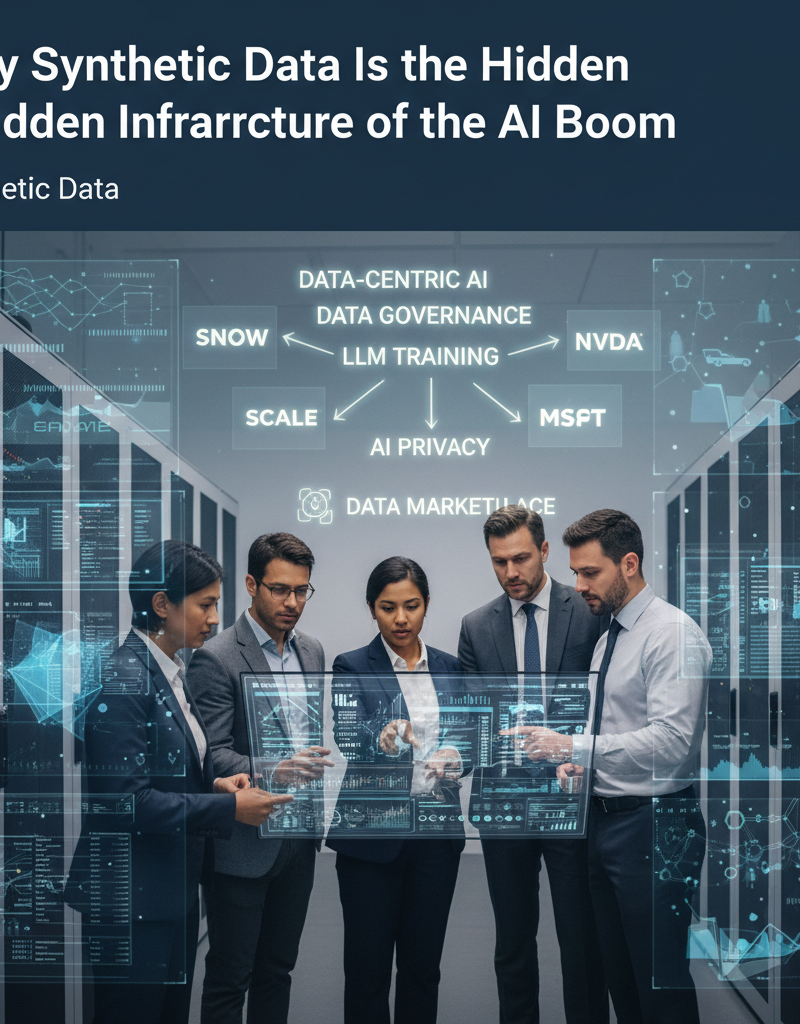
A quiet migration is underway. For the past five years, most AI lived in sprawling datacenters: big models, racks of GPUs, subscription APIs. That world persists. Yet a parallel path has opened — compact, efficient LLMs running on phones, laptops and tiny embedded chips. It looks incremental. The consequences for privacy, latency and business models are not.
Why this matters now
- Hardware finally caught up. Modern mobile SoCs and custom NPUs from Apple, Qualcomm and others can run inference workloads that would have been science fiction on-device two years ago. In effect, some phones are starting to behave like tiny datacenters for specific AI jobs.
- Models got leaner without losing the essentials. Quantization, distillation and smarter architectures let developers cram useful comprehension and generation into hundreds of megabytes instead of tens of gigabytes.
- People want faster, more private responses. Users prefer answers that never leave their device and that appear instantly.
What’s interesting here is how these three trends reinforce each other. Better chips make smaller models practical, and that feeds user demand for local, low-latency features.
Real-world wins, quickly
- Instant rewriting, note summarization and offline assistants suddenly work well even with poor connectivity. Draft an email on the subway; you can get a response in under a second instead of waiting on an API round trip.
- Apps can cut recurring cloud bills. Rather than paying per-call fees, companies can bundle AI as a device feature or a one-time app purchase. That changes how product teams price things — and what users expect.
Business consequences: a new divide
- Device makers and chip designers gain leverage. Features that once needed server-side muscle can now be marketed as phone capabilities, shifting value toward OEMs.
- Cloud incumbents still win on heavy lifting. Training large models, complex multimodal processing and enterprise analytics are still server-side businesses. Think mainframe versus PC: both persist, but the revenue mix shifts.
Concrete examples
- Messaging apps that include compressed LLMs for smart replies lower latency and keep data local, reducing ad friction and privacy concerns.
- Productivity tools can offer offline summarization and search, which is a genuine quality-of-life improvement for flights, secure facilities or rural areas.
Counterpoints and real risks
- On-device models trade depth for footprint. For intricate reasoning, large multimodal tasks or highly specialized work, cloud models still outperform their smaller cousins.
- Security and updates get harder. Pushing fixes and safety patches to millions of devices is more complex than swapping a container in a datacenter. It’s doable, but messy.
- Monetization becomes fragmented. Ad-driven platforms may prefer server-side inference to retain data; subscription apps may push local models. That fragmentation raises questions about who captures long-term value.
A little history
This is familiar. When personal computers arrived, software moved from centralized terminals to desktops and networks adapted. On-device AI is a similar architectural shift; it forces ecosystems to rethink interfaces, privacy norms and pricing.
What to watch next
- Chip roadmaps from Apple, Qualcomm and new edge-focused silicon from Nvidia will define practical ceilings for on-device model size.
- Regulation around data flows and encryption could nudge more processing onto devices, especially in health and finance.
- Startups will target niches — legal assistants, medical transcription, field diagnostics — where offline AI is both a product advantage and a compliance necessity.
The upshot
On-device LLMs do not kill cloud AI. They open a new front: faster, more private experiences that change who captures value. For users, this mostly means speed and privacy. For companies, it forces strategic choices about architecture, updates and monetization. The real fights won’t be only about model parameters; they’ll be about ecosystems — who builds the device-level experiences, who secures them, and who convinces customers to pay for convenience without handing over their data.