The big shift no one shouted about
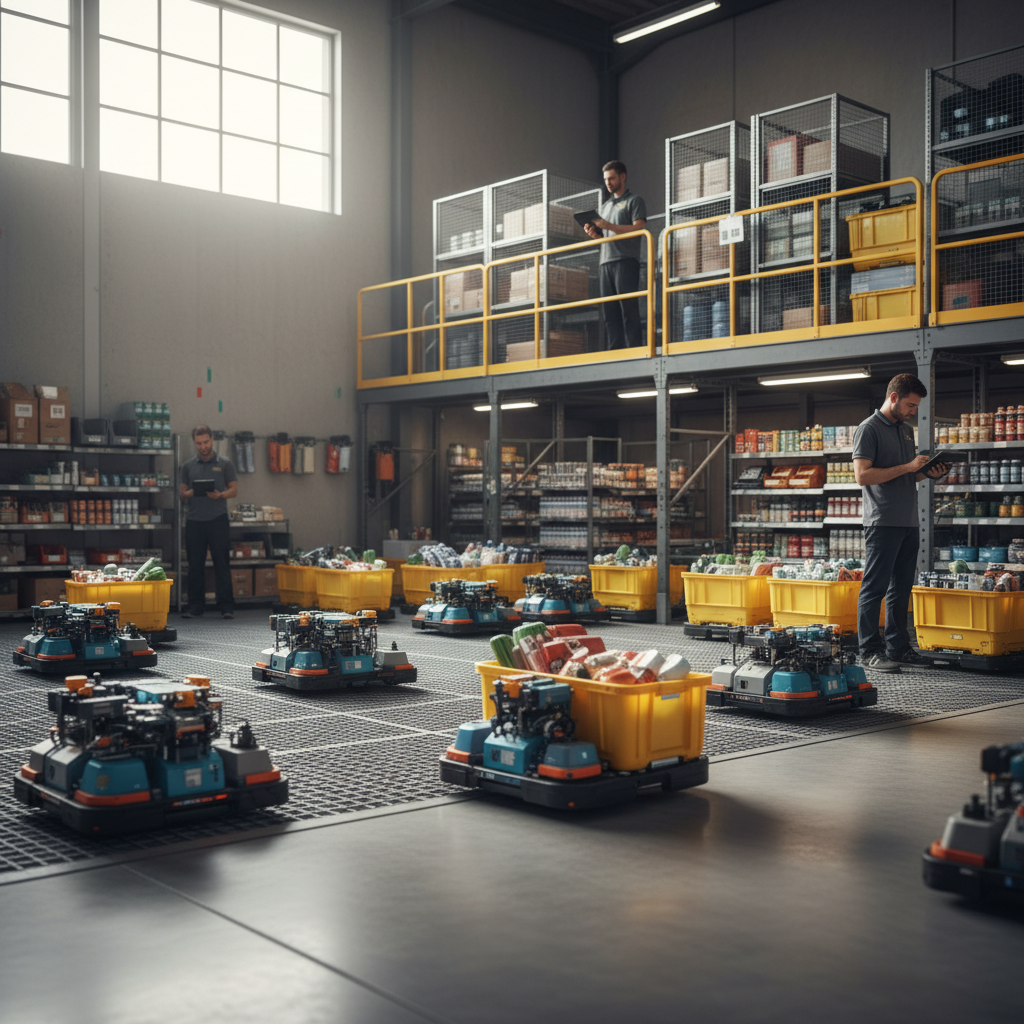
Urban shoppers want groceries at 30 minutes and same-day returns. The industry’s answer isn’t giant new warehouses. It’s a lattice of small, automated micro-fulfillment centers (MFCs) tucked into cities and suburbs. Add robotics-as-a-service (RaaS) and automation stops being something only retailers with billion-dollar logistics budgets can afford.
Why this matters now
This isn’t a gadget-of-the-week. Two forces are colliding and pushing adoption forward.
- Real estate and labor pressure. Rising urban rents and higher wages are forcing retailers to shrink store footprints and replace repetitive picking tasks.
- Opex, not Capex. RaaS converts a huge upfront robotics bill into a subscription, which drops the barrier for midsize chains.
Put those together and automation becomes strategic for more companies than just Amazon and Walmart.
Who’s winning — and who might lose
Big incumbents such as Amazon and Walmart will scale MFCs to shave minutes off delivery and cut last-mile spend. That’s expected. The more interesting fight is among the specialists: robotics makers, system integrators and software vendors selling sensors, orchestration, and subscription models. They capture predictable revenue and take on maintenance and performance risk themselves.
Meanwhile, some retailers risk falling behind. Independents and regional chains that treat automation as optional may end up running local stores that double as fulfillment hubs for competitors who embedded robotics into their customer acquisition long ago.
Concrete examples and a short history
This traceback starts with Amazon buying Kiva a decade ago, which legitimated the idea that software plus moving machines can replace human pickers. Today three common setups dominate:
- Pocketed MFCs built inside existing stores to serve immediate orders.
- Dark stores dedicated to rapid e-commerce and curbside pickup.
- Robot fleets operated by third-party providers under RaaS contracts.
European proof points like Ocado and AutoStore showed these models at scale; the U.S. market is now catching up with local integrators and publicly traded robotics suppliers stepping in.
What this means for investors and operators
For investors: watch companies that bundle hardware with recurring cloud software and services. The firms that offer installation, uptime guarantees, and analytics as part of a subscription will outcompete plain one-off robot sales.
For operators, two practical moves matter more than grand plans:
- Pilot small and measure throughput per square foot, not just headline order counts.
- Push for performance-based contracts so incentives line up with the RaaS vendor.
Counterpoints and risks
Automation is helpful, but it’s not a cure-all. Seasonal spikes, returns processing, and fragile SKUs still need human judgment. Over-automating creates new single points of failure: when software or a fleet hiccups, hundreds of orders can stall simultaneously. And there’s a political and brand risk — local backlash over job losses can damage customer relationships.
The takeaway
Micro-fulfillment plus RaaS is quietly changing retail logistics: lower upfront spend, faster urban delivery, and steady vendor revenue. That mix will alter who controls the last mile. Retailers that act quickly and pick the right partners can turn automation into a durable advantage; those that wait are likely to face an expensive catch-up.