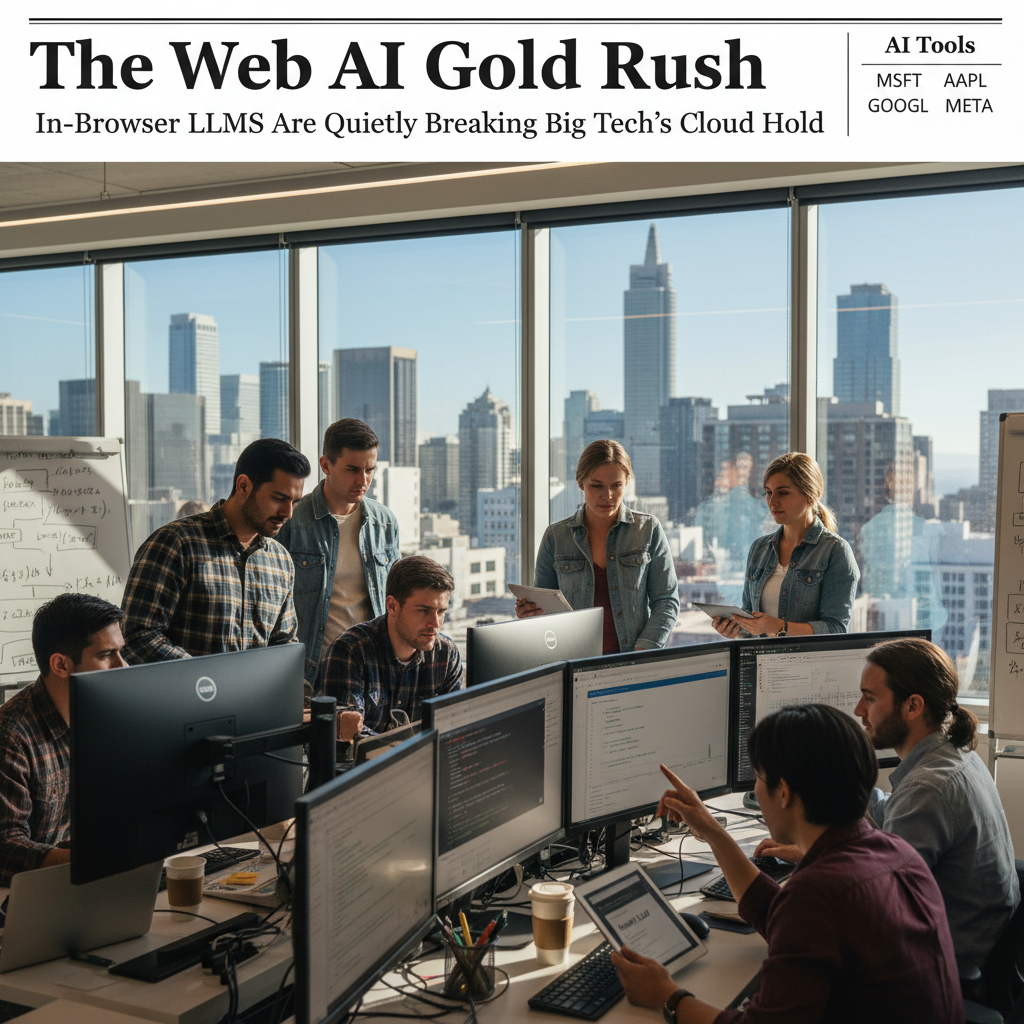
The real story isn’t that a new model exists — it’s that the model can now run inside your browser. Over the last 18 months a lot of quiet engineering, open-source effort and a few aggressive startups have pushed capable large language models into WebAssembly and WebGPU runtimes. The practical outcome: useful, local AI that avoids constant cloud hops, subscription tolls and some of the thornier privacy questions that come with server-side inference.
This isn’t a niche trick. Web-native LLMs are good enough for many everyday tasks — drafting email, summarizing meetings, local code completions, crafting image prompts — and on modern laptops and phones they’re fast enough to be genuinely useful without hitting a remote GPU.
Why this is happening now
- Browsers finally have a real GPU path (WebGPU), and quantized model formats (ggml, Q* quant) make large models small enough to run locally.
- Tooling — wasm runtimes and lightweight inference stacks — moved from experimental to production-ready, so shipping a local AI feature takes far less effort.
- Developers and enterprises want lower costs and tighter data control. Running inference on-device trims cloud bills and reduces how often sensitive data leaves a user’s machine.
Who gains, who shrinks
- Winners: startups building developer SDKs, privacy-first apps, and edge-compute chipmakers. Independent devs can add AI features without cloud quotas, and enterprises get a clearer path to compliance.
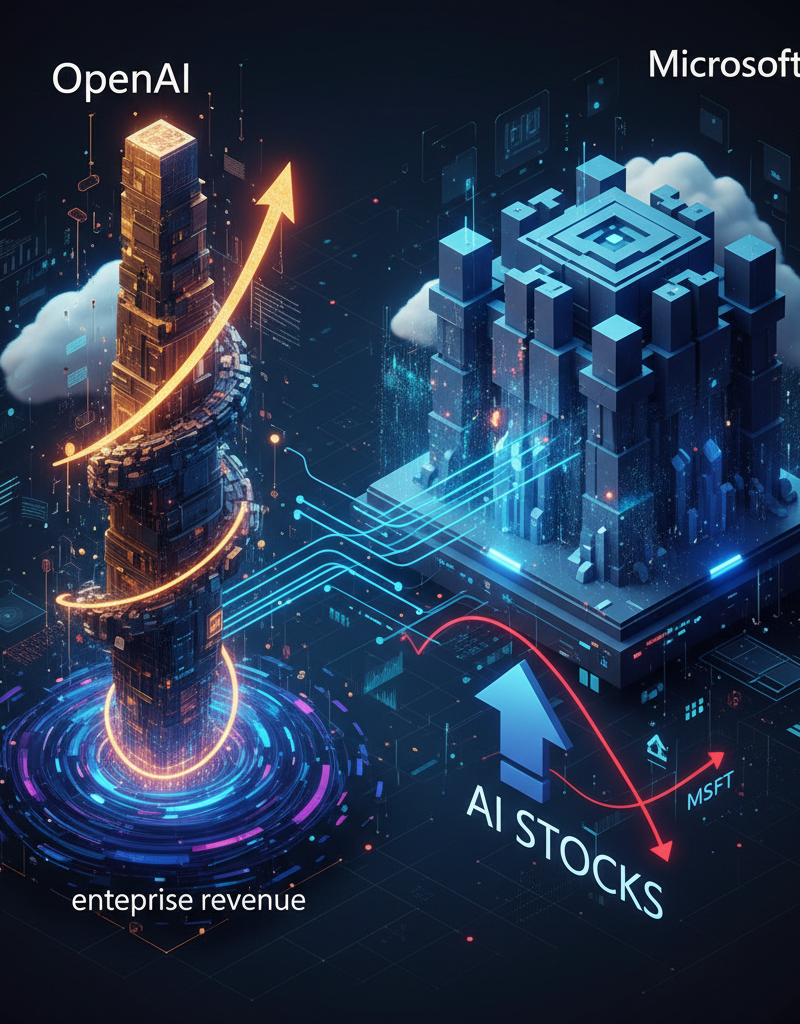
- Losers: parts of the hosted-LLM business that depend on per-call pricing. Expect margins on cloud inference to face pressure as cheaper, on-device options spread.
Reality check
Local LLMs aren’t a silver bullet. They still trail the biggest server-side models on long-context reasoning, multi-stage planning, and real-time knowledge. For heavy-duty enterprise search, deep analytics, or huge multimodal models, centralized GPUs are still necessary. What’s actually changing is where value sits: routine features shift to the edge, while the cloud keeps handling the heavy lifting — training, fine-tuning, massive inference runs.
Concrete, today-ready examples
- Projects like ggml/llama.cpp and WebLLM map out the technical route.
- New SDKs wrap local inference in simple APIs so apps can add offline drafts and summaries with minutes of work.
- Hybrid orchestration platforms run locally by default and fall back to cloud models when a task needs more horsepower.
Why incumbents should pay attention — but not panic
Big cloud and model vendors still have scale, dataset access, and productized services (analytics, monitoring, model updates). They aren’t done. But users increasingly expect both: powerful cloud models and cheap, private local features. That forces a two-front response — compete on price or enable local inference — and it advantages nimble firms and open ecosystems.
My take: this feels less like a sudden overthrow and more like a slow rebalance, similar to how apps moved logic from websites to phones. We’re shifting compute again. Teams that design for hybrid flows — local-first UX with cloud-as-capability — will win.
What to watch next
- Faster quantization and standards for private model updates.
- Tooling that makes local models manageable at scale (auto-updates, versioning, security audits).
- A wave of enterprise features promising privacy by default — which will still need careful validation.
If you’re building with AI, don’t assume the cloud is the only path. Design for both, and be ready to flip between local and cloud depending on cost, latency and risk.