News
Wall Street Embraces AI-Driven ETFs: A New Era in Smart Investing
AI-powered exchange-traded funds are reshaping portfolio strategies, offering investors algorithmic advantage amid market volatility.
P
Pedro Marini
May 20, 2026 · 4 min read
AI-powered exchange-traded funds are reshaping portfolio strategies, offering investors algorithmic advantage amid market volatility.

Illustration by IMF Alpha editorial · Reviewed by Pedro Marini
Artificial intelligence is no longer just a buzzword in finance-it’s becoming the backbone of the next generation of exchange-traded funds (ETFs). Investors seeking smarter, adaptive exposure are turning to AI-driven ETFs that leverage machine learning models to select and rebalance assets in real-time.
Why AI ETFs Matter Now
The flood of capital into AI ETFs is driven by market turbulence and an information deluge. Traditional, rules-based ETFs often lag in adapting to rapid news cycles, sector shifts, or geopolitical disruptions. AI-driven ETFs use cutting-edge algorithms to process massive datasets-from earnings reports to social sentiment-allowing dynamic portfolio adjustments that can capture emerging trends or sidestep risks faster.
Market Growth and Adoption
Key Players and Funds
Investor Considerations
What This Means for the Future
The transition toward AI-managed funds points to a broader trend: technology not only disrupts industries but also transforms investment strategies fundamentally. As AI techniques improve, expect:
For American investors, AI-driven ETFs represent an evolving toolset to navigate complexity with precision-a compelling option as markets become ever more information-dense.
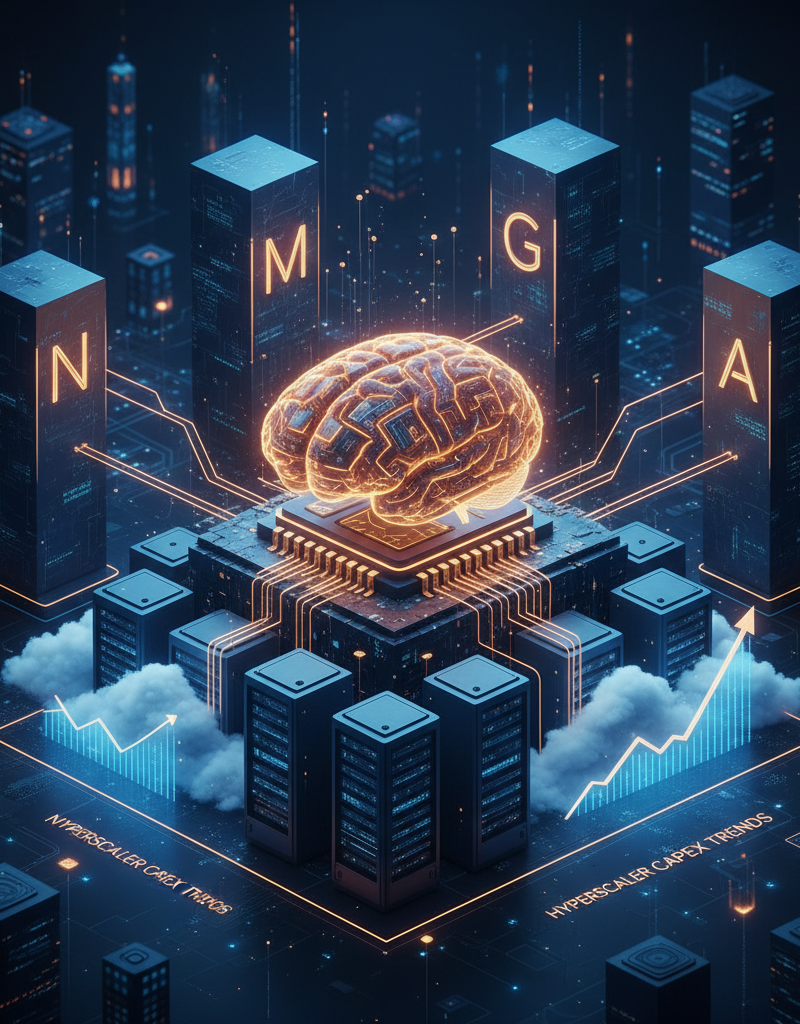
Nvidia's dominant position in AI chip supply continues to drive hyperscaler capital expenditure, with major cloud providers signaling sustained investment.
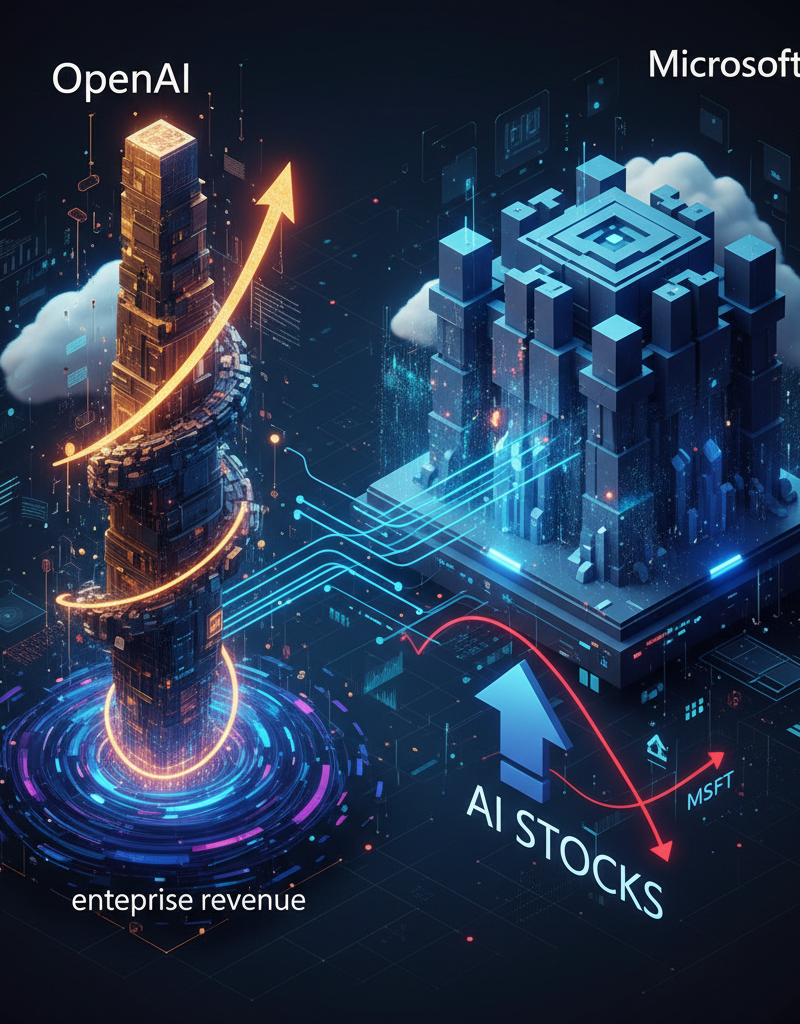
OpenAI's enterprise revenue is experiencing substantial growth in 2024, raising questions about the financial implications for its primary investor, Microsoft.

Companies are trading raw user logs for engineered data and locked-down pipelines. That shift reshapes winners, risks, and regulation in the U.S. AI market.