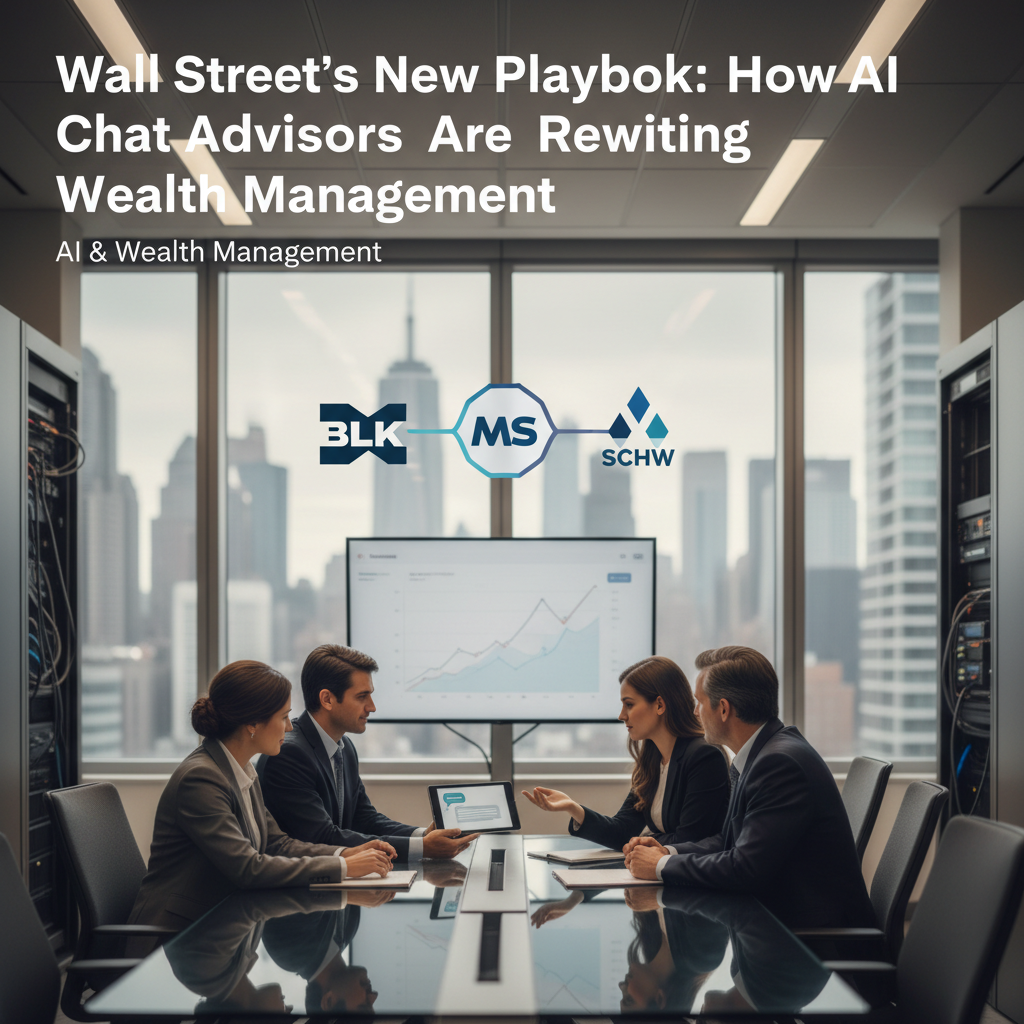
Headline: wealth managers are quietly folding conversational AI into advice — and the effects are immediate and structural.
This isn't about glossy demos. Think automated tax-loss harvesting, retirement plans written to an individual's messy circumstances, and front-desk chat windows that either route a client to a human or pass the instruction straight into execution. Firms are treating generative AI as a force multiplier: routine planning at much lower marginal cost, faster onboarding, and someone — or something — answering clients around the clock.
Where this came from, and why now
AI in wealth management didn’t begin with generative models; the robo-advisor era planted the first seeds. What’s different today is language: models that read messy inputs — a partial paystub, a family objective, a tax nuance — and spit out contextual, portfolio-level recommendations in seconds. That changes the game.
Three trends collided to make this practical:
- Model capability: newer models actually grasp domain nuance rather than only surface Q&A.
- Margin pressure: compressed fees and scale incentives force firms to automate the low-value work.
- Client expectations: people want conversational, immediate answers — not a five-day email thread.
Real moves and why they matter
Large asset managers are weaving AI into portfolio construction and risk reporting to flag opportunities faster. Expect PMs to get to insight quicker; not necessarily better insight, but faster. Robo-advisors are turning financial planning into a chat-first product — financial advice packaged as conversation, not just an ETF wrapper. Brokerages are using AI to triage intent: simple requests handled by the model, complicated trades or fiduciary decisions escalated to humans.
The practical effect is a shift in where value sits. Execution and product manufacturing trend toward commoditization; differentiation becomes about data quality, careful model tuning, and the human oversight that catches what models miss.
What investors and advisors should realistically expect
- Cheaper, faster basic advice: rebalancing nudges, routine portfolio checks, straightforward retirement math will be automated.
- More personalization at scale: models can combine tax rules, cash flow quirks, and stated goals into tailored plans — though the edge cases still require human review.
- Better engagement: conversational interfaces increase meaningful touchpoints, and that usually helps retention.
The trade-offs are real
- Model risk and hallucinations: a well-worded but wrong recommendation can create losses or regulatory headaches.
- Fiduciary ambiguity: who bears responsibility when an automated suggestion goes bad — the advisor, the firm, or the AI vendor?
- Data and vendor risk: relying on third-party models simplifies operations but increases exposure to outages and governance gaps.
Regulation is quietly tightening
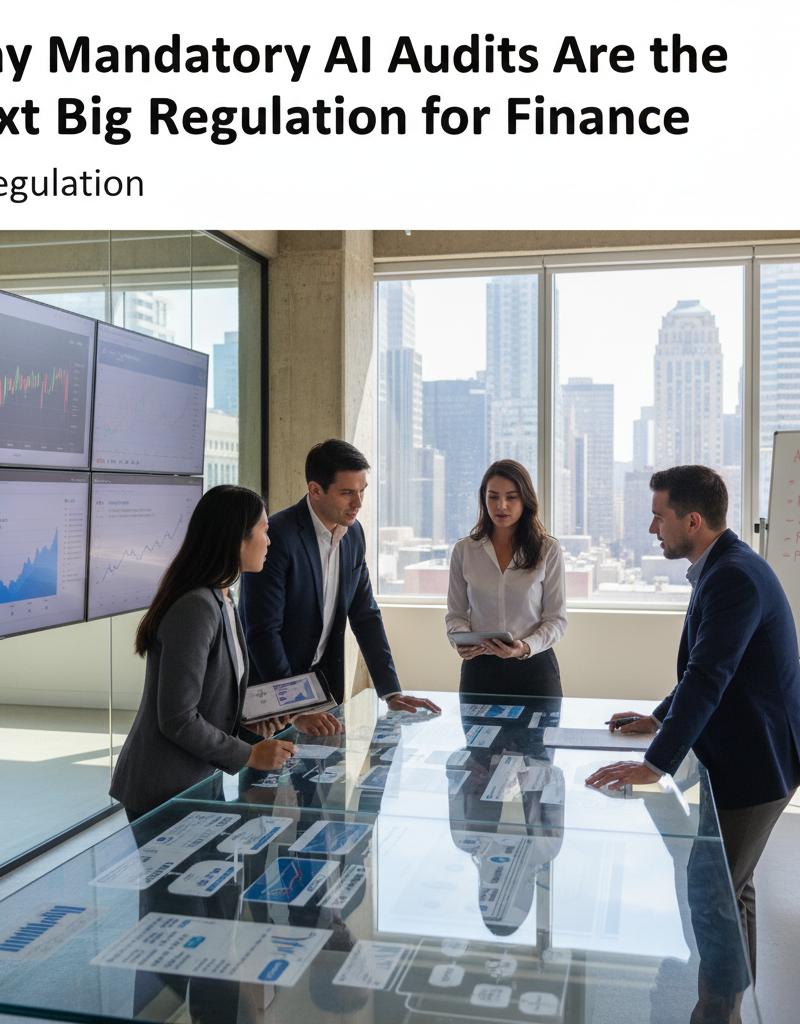
Regulators are watching. Expect guidance about documenting model logic, keeping audit trails for automated suggestions, and requiring clear disclosures where human oversight is limited. That will skew rollout choices: back-office automation and AI-powered triage are low-friction wins; fully autonomous portfolio execution with minimal human review will face more scrutiny.
How different groups should respond
- Long-term investors: AI tools can improve service and lower fees, but favor firms with explicit governance and hybrid oversight.
- Advisors: use AI to buy back time. Let it handle routine work so you can do strategy and relationship tasks where judgment matters.
- Active traders: models speed analysis, but they also compress alpha. Expect tighter margins in commoditized strategies and a premium on unique data or execution skill.
A human checkpoint
We’ve seen this before. The 2008 crisis underscored that models without human context can amplify risk. Today’s wave is faster and more visible to clients, but the lesson holds: tools reshape work and responsibility; they don’t remove the need for judgment.
What this means now
Conversational AI won’t make advisors obsolete. It will, however, change what advisors spend their time on and how firms extract value from advice. Near-term winners will likely be firms that combine rigorous model governance with sensible client safeguards — those are the names worth watching.
Practical things to watch
- Which firms promote concrete model governance and hybrid workflows, not just marketing copy.
- Regulatory guidance on automated advice and recordkeeping.
- Provider transparency around data lineage and clear escalation paths from model to human.