Thesis, in three sentences
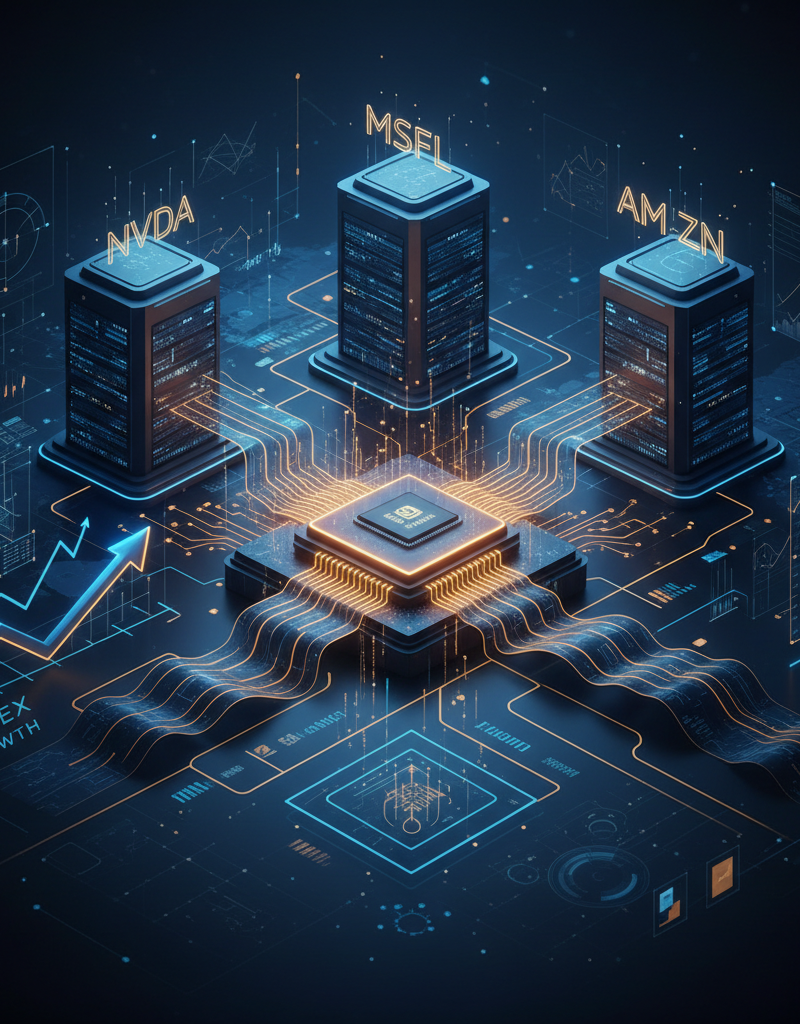
Investors are starting to look past raw compute and toward the firms that make AI cheaper, faster, and actually deployable at scale. That means a slow rotation away from pure GPU bets toward software, inference accelerators, and cloud-native optimization tools. It’s not a rejection of the GPU winners so much as the market moving to its next phase.
Why this matters now
- Valuation fatigue. Nvidia and other GPU leaders already price in years of hypergrowth. If margins drift back toward normal, future upside depends more on wider adoption — and wider adoption depends on lowering the ongoing cost of running models.
- Cost pressure inside enterprises. Running large language models at scale is expensive. Techniques like quantization, pruning, and smarter runtimes can cut practical deployment bills by four- to tenfold in some cases.
- Edge and latency demands. Real-time use cases — think retail kiosks, in-car assistants — need inference close to users. That favors small, fast models and purpose-built inference hardware.
What’s interesting here is how these forces interact: cheaper inference accelerates adoption, and adoption creates demand for better software to manage it.
What investors are rotating into
- Inference software and runtimes: quantization libraries and optimized runtimes that wring more performance out of existing models are moving from open-source curiosity to revenue-generating enterprise products.
- AI orchestration and observability: tools that monitor models in production and track cost-per-query are becoming sticky SaaS businesses.
- Niche accelerators and chiplets: not every workload needs a top-tier datacenter GPU. Highly parallel, lower-cost inference accelerators and chiplet-driven designs are drawing capital.
Concrete examples and how they fit
- Nvidia remains the backbone for training. Still, companies shipping inference-optimized stacks — from cloud-native runtimes to dedicated inference ASICs — are getting renewed investor interest.
- Palantir illustrates the appeal of operational software: recurring revenue tied to deployment and uptime, not just model research.
- Small-cap hardware and systems vendors that enable denser racks for inference are benefiting as hyperscalers hunt for lower cost-per-query.
Counterpoints and risks
- The GPU moat is wide. For cutting-edge training there’s no drop-in replacement on the horizon; underestimating Nvidia or AMD would be a mistake.
- Many inference plays are early stage and thin-margin. Chasing every name in this space is a classic growth trap.
- Macro shocks or pauses in cloud spending can flip priorities quickly — sometimes cost matters most, sometimes raw performance does.
What this means for portfolios
- Long-term allocation: keep core exposure to dominant infrastructure names, but add a sleeve for AI efficiency — think software plays, cloud-tooling SaaS, and carefully selected inference hardware.
- For active traders: listen to managements on cost-per-inference, deployment timelines, and cloud-customer movement. Those phrases are increasingly how the market re-rates companies.
A historical parallel
Remember the late 1990s: early rewards went to computers and semiconductors, then shifted to the software that made those machines useful for business. Compute won the first phase in AI. Efficiency is bidding for the next.
So here’s the plain point
This isn’t a sell-off of GPU incumbents; it’s a maturing market. Smart investors won’t abandon the rails of AI. They will rebalance into the companies that make each query cheaper. Building the biggest chip still matters — but so does making every query cost less.