The quiet arms race
Wall Street has quietly shifted from spreadsheets to models to proprietary GPTs. What began with quants backtesting price series has evolved into teams feeding terabytes of trade logs, research notes and alternative signals into private large language models. The objective is straightforward: eke out a small edge that scales across positions and time.
Why it matters now
- Compute is cheaper than it used to be, but still expensive. Training a mid-size LLM can run into the millions; at scale, funds are spending tens of millions to fine-tune models on private datasets.
- The hardware squeeze is real. Firms that lock down discrete GPUs and well-tuned inference stacks gain an operational lead that feels a lot like the cloud wars of the early 2010s.
- Data beats flashy models. A public model helps with workflows. But a private LLM trained on tick-level execution records and proprietary signals behaves more like a new asset class.
A brief history lesson
Quant shops have chased alpha for decades. In the 1990s and 2000s the edge came from cleaner factor models and pure speed. The difference today is composability: systems that can read research, generate trade ideas in plain language and execute at scale, while continuously learning from a fund’s own playbook. It’s the glue that matters, not just the model.
The trade-offs and risks
- Cost versus benefit. Not every fund will recoup the expense of a private LLM. Smaller shops may buy hosted inference or run hybrid arrangements.
- Talent is scarce. ML engineers who can run production MLOps command top dollar, and banks are raiding startups and tech firms for them.
- Data leakage and compliance are thorny. Putting sensitive client or market data into a model raises fresh regulatory and liability questions — market manipulation and privacy are real concerns.
- Centralization risk. If many funds rely on the same third-party tools or datasets, correlations rise and idiosyncratic alpha can disappear faster than anyone expects.
Counterpoints and second opinions
Plenty of veteran quants remain skeptical. Many of their historic gains came from obscure domain knowledge, not bigger models. Others warn these systems are brittle: during regime shifts they can generalize poorly. That’s not theory; it’s what happens when markets behave in ways the training set never saw.
What this reshapes for incumbents
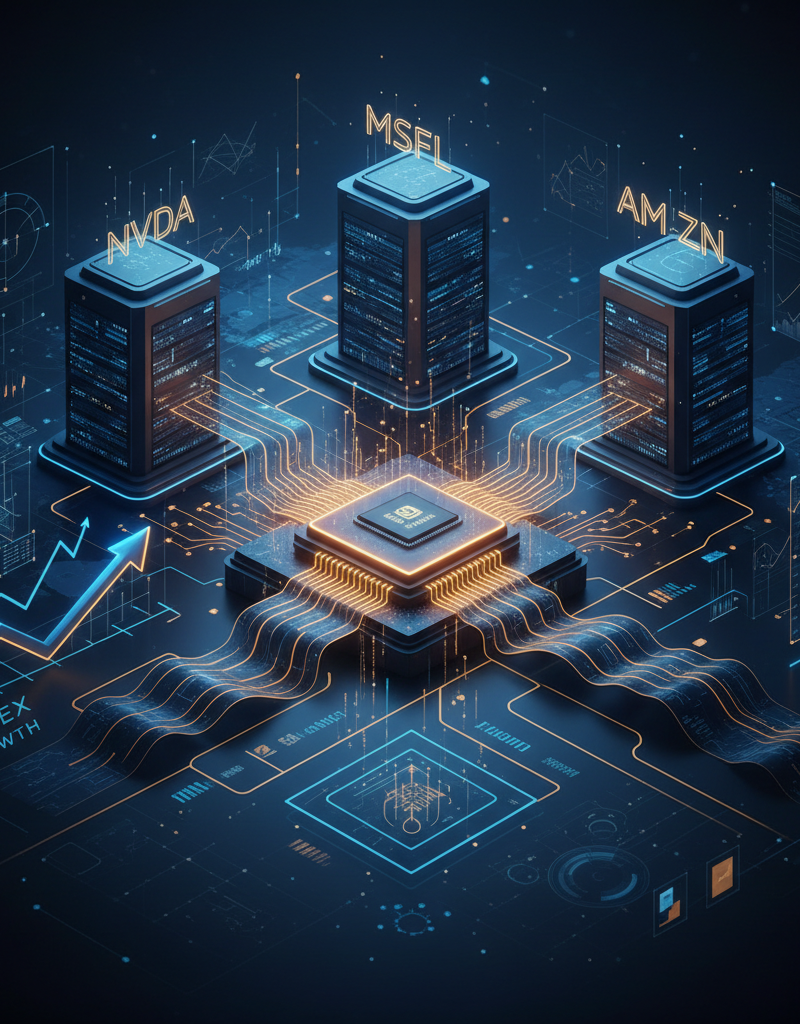
Cloud vendors are pitching private enclaves and specialized chips to financial firms. Expect more partnerships, and M&A, where compute and security needs collide. Chipmakers and data-center operators will win in the near term, but the recurring revenues from managed inference services and hosted private models are the longer game.
Signals investors should watch
- Rising CapEx and explicit GPU commitments in chip and cloud earnings calls.
- Job listings for MLOps and quant-engineering talent at banks, hedge funds and trading shops.
- Regulatory chatter around model governance, data provenance and market fairness.
The upshot: private LLMs are not a magic wand. They are becoming another layer of competitive advantage. For funds with deep, clean datasets and the willingness to build ops, a tailored GPT can be a durable edge. For everyone else, managed, secure model services will lower the bar to AI-enabled trading — and, bluntly, raise systemic risks.
Quick takeaways
- Near-term winners: GPU makers and cloud vendors that can offer secure, high-throughput stacks.
- Long-term alpha: depends on unique data and disciplined governance, not just model size.
If you follow market structure or are weighing exposure to AI winners, watch the vector that matters: not only which models grow, but whose data and operational controls stay private.