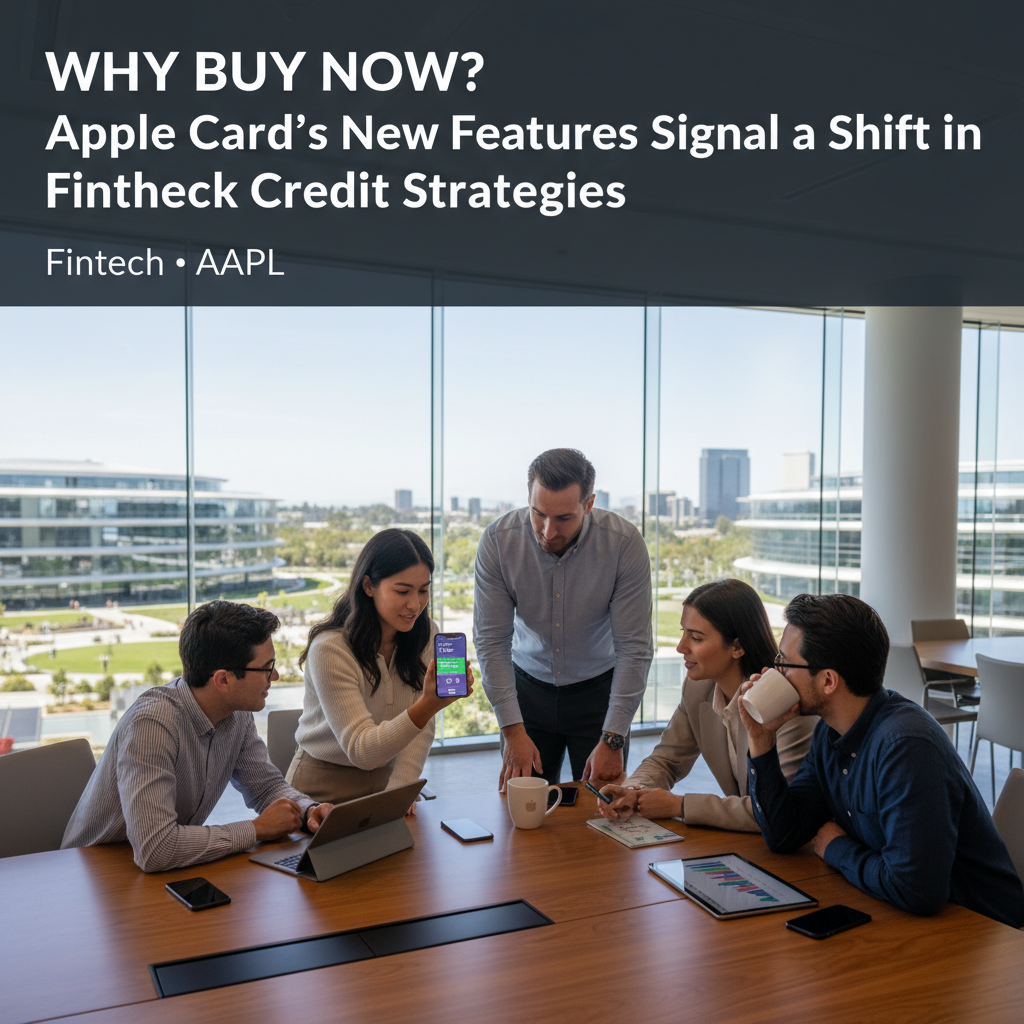
Apple Card’s quiet upgrade — and why banks should be watching
Apple doesn’t loudly storm into markets anymore. It tiptoes. It tightens the screws where the competition can’t see them. The latest Apple Card update — disposable virtual card numbers plus more finely tuned cash-back offers — looks small on the roadmap. In practice it’s a repositioning: from “cool card” to a payments layer married to device identity, privacy posture and merchant nudges. That trifecta is the kind of slow-burn threat incumbents hate.
Short version: this isn’t just convenience. It’s control.
Virtual card numbers: security with a leash
Virtual numbers let you spin up a disposable card ID for a single merchant or purchase. If a retailer gets hacked, your real Apple Card number stays hidden. That’s not new — fintechs and banks have offered tokenization and ephemeral numbers for years — but Apple’s advantage is the friction-free experience.
It’s baked into iPhone, Safari and Wallet. Tap to buy, auto-fill a one-time number, move on. No apps to install, no extra authentication flows. That’s the product-level polish most banks can’t match without breaking years of legacy plumbing.
Two consequences matter:
- Fraud rates could fall for users. Which is good for customers and for the card backer — Goldman Sachs — which still shoulders credit and fraud risk on Apple Card balances.
- Merchant data becomes more segmented. Apple’s virtual-number approach can limit merchant access to persistent identifiers, shifting how digital marketing and loyalty work.
Translation for Wall Street: Apple is not trying to be a bank. It’s trying to own the identity-of-payment — the single most valuable link between consumer behavior and commerce.
Cash back: less about generosity, more about nudges
Apple’s 3%/2%/1% structure is familiar: 3% on Apple purchases, 2% via Apple Pay, 1% on the physical card. The update layers in rotating, tailored cash-back offers. That’s not free money. It’s behavioral engineering.
Think of it as micro-targeted incentives: push spend toward Apple services, certain retailers or payment rails that Apple prefers. With millions of devices aligned to a single wallet, even modest reward shifts can redirect billions in spend.
And the data? Apple doesn’t sell it, but it can use it. Patterns of where users redeem Daily Cash, which merchants get repeated visits, how often people switch between Apple Pay and the physical card — that’s operational intelligence. Useful for designing credit limits, pinpointing merchant partnerships, and deciding where to place tighter integrations (or higher fees).
The moat is hardware plus identity, not lending
Apple isn’t trying to out-lend Chase or out-serve AmEx on rewards density. Its advantage is platform control. Two elements make that potent:
- Device-level identity. iPhone equals persistent authentication. Apple knows the device, and that maps to a user who has passed Apple ID verification and two-factor authentication.
- Privacy as a feature. Apple can sell the idea of data-respecting payments while still using aggregated behavioral signals to refine product design. That makes Apple a more trusted intermediary for a chunk of customers who distrust ad-driven fintechs.
Goldman Sachs underwrites the card. Mastercard routes the payments. But Apple designs the user experience and controls the payment token. It’s a thin-sliced vertical integration: not a bank in the regulatory sense, but a product manager with extraordinary distribution.
Who’s in the crosshairs
This update isn’t aimed at the big banks’ lending desks. It’s a squeeze on three fronts.
-
Traditional issuers (Chase, Citi, AmEx): They still dominate rewards economics, underwriting and merchant relationships. But they don’t have Apple’s lock on the device or the same frictionless checkout for their cardholders inside Wallet. Expect them to race on features (virtual numbers, better wallet UX) and on merchant deals.
-
Consumer fintechs (Chime, SoFi, Affirm): Their pitch has been UX-first banking. Apple’s product polish and wallet ubiquity erode that differentiation. If your core value is “better mobile banking,” being second to Apple’s native wallet is a real problem.
-
Merchant networks and ad-tech: When payments abstract identifiers, targeted offers change. Brands that relied on persistent payment IDs to stitch loyalty and advertising will need new hooks — probably negotiated directly with Apple or via Apple’s Wallet offers.
The regulatory wildcard
Apple’s model raises questions regulators like to ask: who controls the consumer data? Who sets the fees? And who is responsible when systems fail?
Apple can neutralize some scrutiny by leaning into privacy — “we don’t sell your data” — but regulators care about market power as much as personal data. If Wallet becomes the default identity+payments gatekeeper, antitrust conversations will follow. Don’t underestimate that: the company has already seen antitrust attention in other areas.
Goldman Sachs, meanwhile, remains on the hook for underwriting. If Apple’s nudges push customers into higher-spend behavior that leads to delinquencies, Goldman’s balance sheet is exposed. That’s a risk investors should be pricing.
What this means for investors and operators
If you trade stocks or run a payments business, read this as three watch-items, not a panic button.
- Watch Apple Wallet engagement metrics. Look for growth in Daily Cash redemption, number of merchants offering Apple’s rotating rewards, and volume share inside Safari and iOS apps. Those are leading indicators of how sticky Apple’s payment layer is becoming.
- Monitor Goldman Sachs’ consumer credit performance. Rising balances, charge-off rates and average account usage will tell you how Apple’s nudges translate to credit risk.
- Keep tabs on card-processing partners (Mastercard, Visa) and fintechs’ product roadmaps. Expect feature parity plays: instant virtual numbers, better in-wallet offers and partnerships between issuers and wallet providers.
Short, tactical trades? Increased scrutiny on merchant acquirers and processors that rely on open payment data might compress margins if Apple redirects merchant relationships. Conversely, companies helping merchants adapt to tokenization and wallet-driven offers could win new business.
Bottom line: the creep matters more than the leap
This Apple Card update won’t topple big banks overnight. It’s not a hammer blow. It’s a slow tightening of the screws: better security, smarter rewards, and a payment identity that lives natively on the most valuable consumer device.
Markets hate surprises. Apple prefers to reshape expectations incrementally and then normalize them. That’s why banks, fintechs and merchants should stop treating this as a minor feature roll-out and start treating it as a design philosophy: the future of retail finance will be decided on the phone, not in the bank branch.
Apple’s not becoming a bank. It doesn’t need to. Give it a few more subtle moves like this, and Apple will be the company that makes the banking experience feel native — whether banks like it or not.