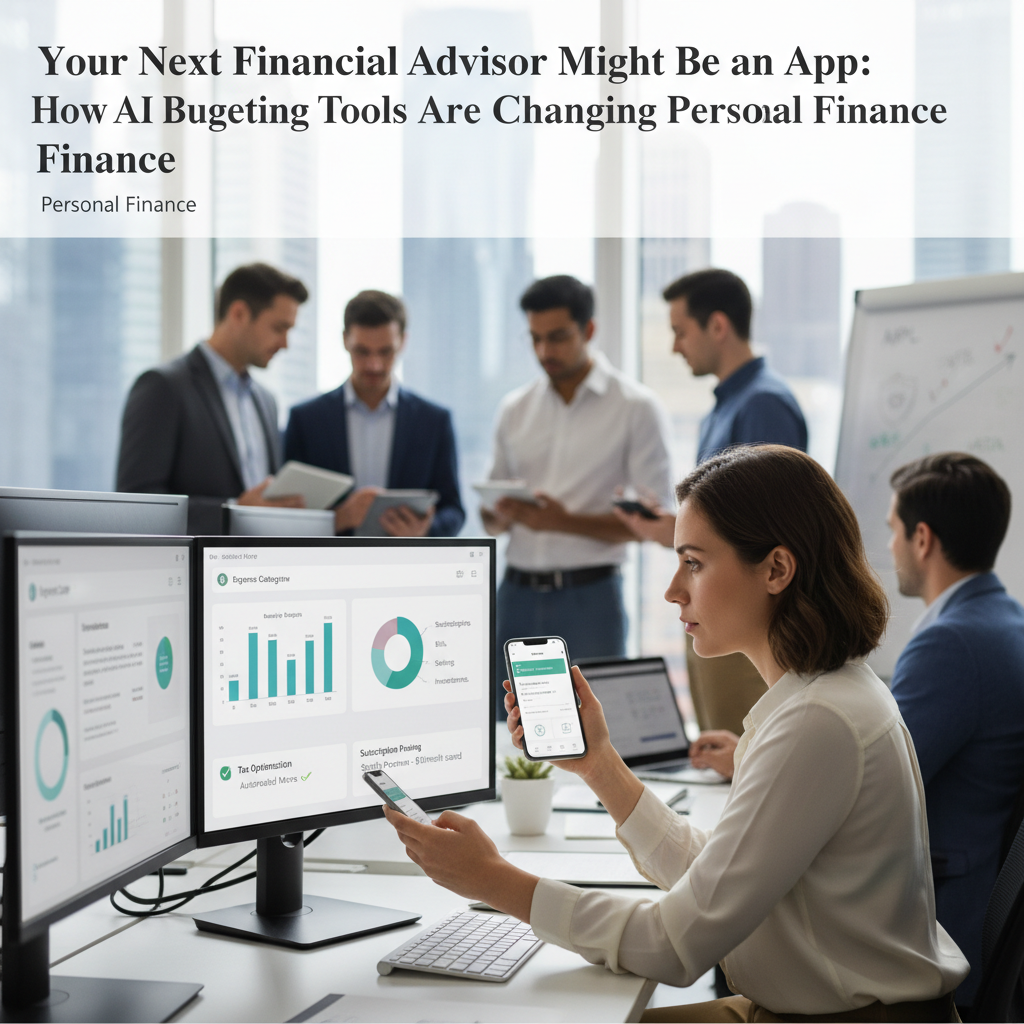
The pattern is familiar, just sharper. Personal finance moved from ledgers to desktop software, then to Mint-style aggregators and robo-advisors. Today’s apps put generative models and live bank connections on top of that history. The change isn’t incremental—people plan, spend, and respond to shocks differently now.
What these tools do that a spreadsheet never could
- Real-time cash-flow forecasting. Instead of a static monthly budget, models warn you day by day about potential shortfalls and can recommend painless pulls from savings or temporary card freezes.
- Automated tax moves and harvesting. Apps can spot tax-loss harvesting windows for taxable accounts or tweak estimated-tax suggestions for freelancers.
- Bill negotiation and subscription triage. Algorithms scan recurring charges, try to negotiate lower rates with providers, or flag little-used services for cancellation.
- Smarter micro-savings and round-ups. Not just rounding up purchases—dynamic rules can divert money based on upcoming bills, pay cycles, or market dips.
- On-demand scenario planning. Thinking about quitting, buying a house, or taking a sabbatical? A few taps can generate cash-runway scenarios that reflect your pay cadence and risk tolerance.
What’s interesting here is how these features, once premium, are becoming common because open banking APIs, cheap compute, and large models make them cheap to ship. For consumers that can mean fewer surprises and better short-term risk management. For markets, though, there’s a flip side: thousands of users reacting in the same way to cash-flow alerts or automated sell signals could amplify short-term moves in small caps or crypto.
A couple of real-world sketches
- A gig-economy delivery driver uses an assistant to smooth income: when a slow week is predicted, it pauses discretionary subs and triggers a tiny overdraft protection transfer. Outcome: fewer bounced checks and less stress.
- A retiree sequences withdrawals during a market slump. The assistant suggests shifting from taxable withdrawals to a temporary tweak in Social Security claiming, which helps preserve portfolio longevity.
Risks and frictions to keep in mind
- Data sharing and vendor lock-in. These apps need deep access to bank and brokerage accounts. Switching providers can be messy; check whether you can export your data.
- Model opacity and bias. Forecasts are probabilistic and often trained on aggregate behavior. If your income is unusual or your region has different costs, the guidance can be off.
- Regulatory and liability gaps. If an automated recommendation leads to a big loss, who’s responsible? Rules are evolving, and clarity is uneven.
- Fee creep. Free tiers can lure users, but meaningful features often hide behind paywalls. Compare premium pricing to a single session with a human advisor before committing.
How to use these tools without losing control
- Start in observe-only mode. Connect accounts read-only and compare the app’s forecasts to your own records for a month.
- Set hard safety nets. Put minimum cash buffers in place and opt out of any automated withdrawals or trading until you trust the behavior.
- Treat recommendations as second opinions. Let the app surface ideas, but don’t let it make irreversible decisions on its own.
- Check certifications and partnerships. Apps tied to regulated custodians or that operate within FINRA frameworks carry different risk profiles than standalone services.
What to watch next
- More bundling is coming: payroll, taxes, and retirement planning rolled under the same AI umbrella.
- Pushback will follow. Consumer advocates will press for clearer disclosures about algorithmic decision-making and for easier portability of financial records.
- There will be macro effects. Widespread automated cash-flow smoothing could alter credit access for seasonal businesses and change how short-term rate moves hit consumers.
These tools aren’t a magic wand, but they are a lever. Used carefully, they can cut late fees, kill pointless subscriptions, and give hourly workers a steadier month. Used carelessly, they expose data, magnify model flaws, and concentrate control over how you manage money.
Practical checklist before you hand over account access
- Verify read-only versus read-write permissions.
- Confirm data export and account-unlinking procedures.
- Compare the app’s premium cost to a single session with a human advisor.
- Test the app with a secondary account or small balances first.
Short version: these assistants will change how Americans budget, but they are tools—not replacements for judgment. Keep the steering wheel.