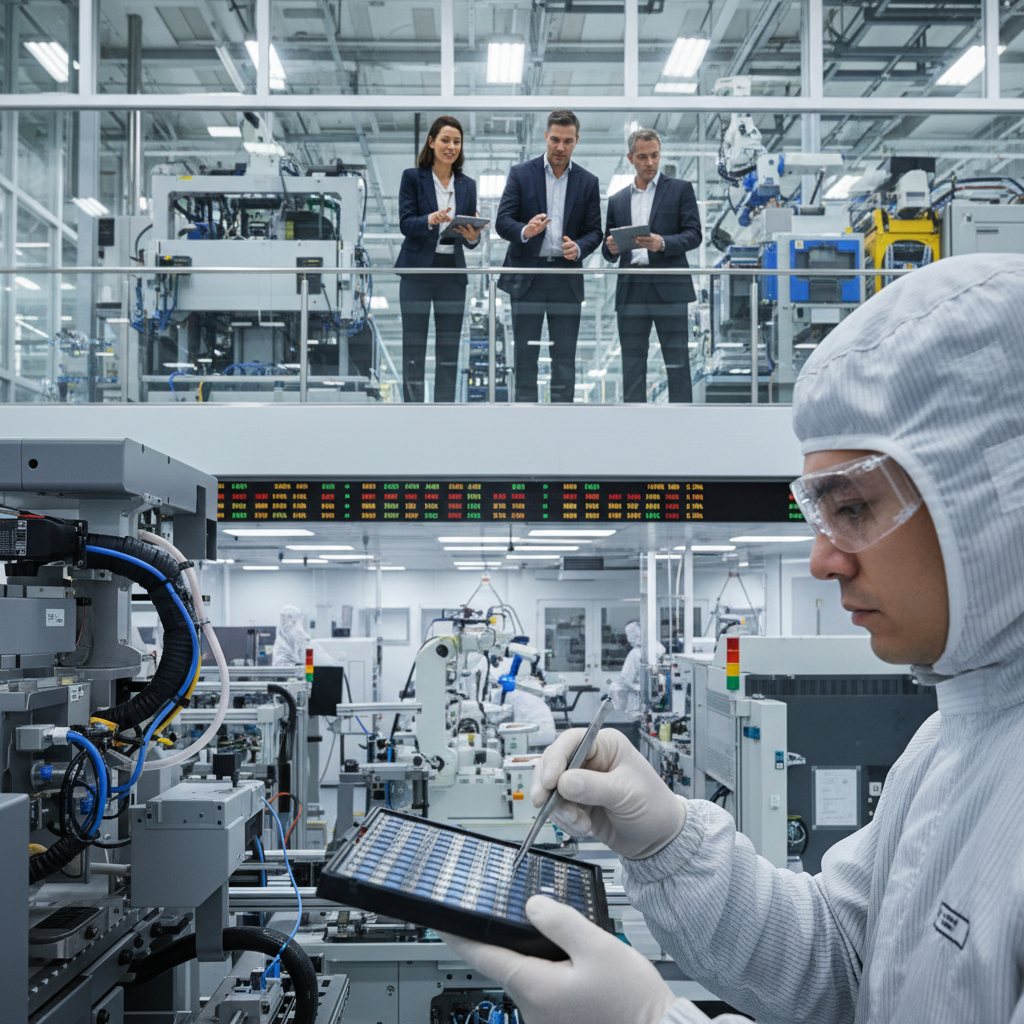
Nvidia isn't the whole story. For every splashy headline about datacenter GPUs there are dozens of quieter moves to push inference off the cloud and closer to where people and machines actually operate: retail kiosks, factory vision rigs, delivery drones, even on‑site insurance inspections.
This matters for investors because edge AI needs a different kind of silicon. Lower power. Lower latency. Niche accelerators instead of brute‑force floating‑point monsters. Less Ferrari engine, more millions of efficient commuter transmissions.
Why now
- Cloud capacity costs real money and isn’t limitless; buyers are optimizing for latency and to avoid recurring egress fees. Running models on device often wins on both counts.
- Foundry lead times are still in quarters; getting a design win early in a product cycle can mean years of revenue tail.
- Edge model stacks — firmware, runtimes, deployment tools — are finally maturing. That reduces integration friction for industrial customers.
Which public names matter — and why
- NVDA — still the dominant compute platform. Its datacenter focus leaves room for specialists at the edge.
- AMD — solid GPUs and growing accelerator efforts aimed at mid‑range inference.
- INTC — pushing integrated SoC approaches and experimenting with heterogeneous and neuromorphic ideas.
- MRVL — networking and connectivity matter a lot when inference lives on thousands of distributed nodes.
- QCOM — mobile silicon, power management, and an existing bridge to on‑device AI across phones and IoT.
- TSM — the foundry that underpins scale; its roadmap constrains what everyone else can do.
This is not the full universe. The pattern to watch extends beyond chip vendors: embedded OS providers, power‑management firms, and those small IP shops that supply specialized neural engines all matter.
Risks and caveats
- Valuations can be frothy. Small AI chip names routinely price in idealized market share gains. Execution — and real design wins — beat press releases.
- Export controls and geopolitics can reroute supply chains overnight. Short‑term disruptions are a real tail risk.
- Integration is harder than it looks. Industrial buyers expect long lifecycle support; abandoning a deployed chipset is a reputation killer.
A quick playbook for investors
- Favor recurring revenue: software licenses and multi‑year design contracts beat one‑off silicon shipments.
- Watch design wins, not just quarterly revenue. OEM roadmap mentions are forward indicators.
- Diversify across the stack: pair foundry or fab exposure with a software/IP play to hedge single‑chip risk.
- Be patient. Edge adoption compounds slowly, but once standards and tooling settle it can generate long, sticky revenue streams.
Context and history
This shift echoes past cycles. Remember the GPU frenzy in the crypto boom — demand outpaced fab capacity and prices swung wildly. Lesson: timing mismatches between demand and supply create volatility, and the quiet component suppliers often outlast the hype.
Where this leaves investors
Nvidia and the hyperscalers will keep dominating headlines. That’s expected. But the smarter, lower‑noise trade may be the companies actually building chips and stacks that land inside devices doing day‑to‑day AI. If you want optionality, look past the marquee names to the niche players, foundries, and IP houses that will be shipping silicon into real products.
In short: temper the headline chase. Focus on durable design wins, recurring revenue, and the messy reality of hardware timelines.