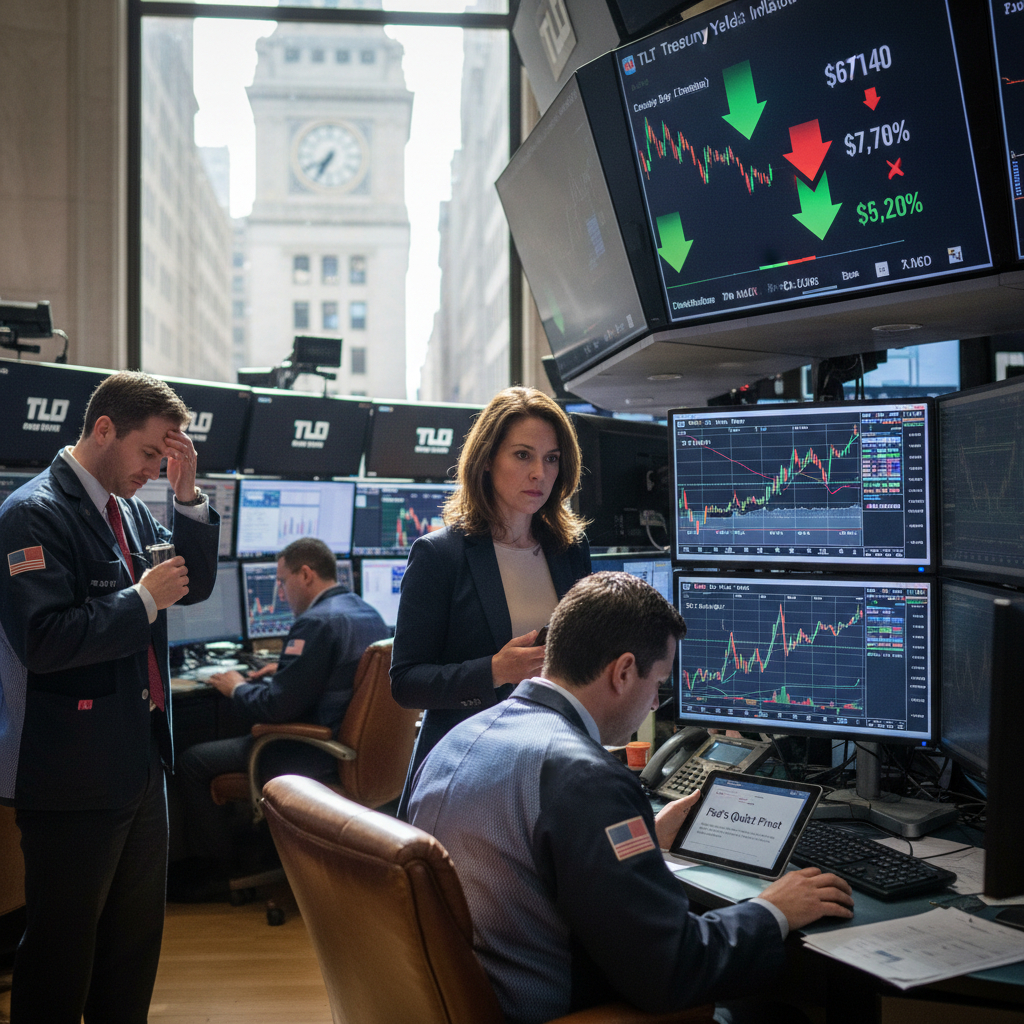
The narrative is changing, but slowly. The Federal Reserve looks like it could ease sooner than market pricing implies. On paper inflation is off its 2022 highs; in reality some components remain stubborn and the labor market is uncomfortably resilient. That split — policymakers cautious, parts of the market less so — is where opportunity and risk collide.
Why this matters now
- Markets sometimes trail the real economy. When credit conditions or global forces shift faster than Fed talk, expectations can snap and repricing happens quickly.
- The tug of war is already visible in yields: long-term rates have eased with weaker global growth and softer commodity pressures, while short-term policy rates stay elevated. Watch the gap.
What's interesting is how lopsided this looks across asset classes. That asymmetry creates tactical windows — and traps.
Concrete drivers to watch
- Core services inflation excluding housing: a move toward roughly 2.5 percent would blunt the Fed’s argument for maintaining high rates.
- Payrolls and wage growth: weaker hiring and cooling wage gains make persistent domestic inflation less likely.
- Bank lending standards: sustained tightening here would amplify the growth drag and could force a quicker policy pivot.
Three scenarios for investors
- Soft-landing pivot. Inflation drifts back, payrolls slow modestly, and the Fed starts gradual cuts. Bonds rally, long-duration equities do well, and mortgage rates ease.
- Sticky stalemate. Services inflation refuses to budge, cuts get delayed, and volatility remains elevated. Financials and long-duration growth names struggle.
- Shock repricing. A sudden global slowdown or a rapid credit deterioration pushes markets to price multiple cuts fast. Bonds benefit, but many equity strategies will be caught off guard.
A short historical note
This isn’t the 1970s, and it isn’t 2008. Think more like the mid-1990s: the Fed tightened, then paused, and markets had to recalibrate. The current mix — slower global activity, lingering post-pandemic supply shifts, plus an argument that AI boosts productivity over time — could quietly take pressure off prices. That’s the hypothesis at least; in practice the picture is messier.
What this means for portfolios
- Reprice duration risk. Incremental exposure to Treasuries or long-duration ETFs can pay if cuts arrive earlier than priced.
- Be selective on cyclicals. Financials often lag early in a pivot; banks tend to benefit later from a steeper curve. Don’t assume a uniform move.
- Keep liquidity handy. Abrupt repricing favors nimble allocation changes rather than doubling down on one thesis.
Signals that will force a market rethink
- Two consecutive prints showing a sustained drop in core PCE or core CPI
- Private payroll growth sliding clearly below trend
- Fed minutes that shift from vigilant language to talk of gradual easing
The smarter play is to think of the pivot as a process, not a headline. Map plausible economic paths, size positions for skewed outcomes, and watch the less-obvious indicators that actually move policy. When the Fed does pivot, it will look obvious in hindsight — and it will probably happen faster than most expect.