
Personal Finance· 3 min
Where to Park Cash Now as High-Yield Savings Fade
Banks are trimming big APYs. Here's a concise, tactical playbook for emergency cash that prioritizes safety, liquidity, and actual yield.
By Pedro Marini
Desk
Money, planning, and AI-era advice for individuals.
Banks are trimming big APYs. Here's a concise, tactical playbook for emergency cash that prioritizes safety, liquidity, and actual yield.

Smart tax apps promise big refunds and tiny fees, but accuracy, privacy, and audit risk make them a nuanced choice for freelancers and side hustlers.

Rates are higher, options are noisier — here’s a clear, practical plan to protect purchasing power without sacrificing access.

Short-term yields are back, fintech is rearranging cash management, and ordinary savers face a choice: liquidity, safety, or a few extra percentage points. Here’s how to decide.

Banks are trimming APYs. Here’s a short, pragmatic playbook for safety, liquidity, and a bit more yield without turning your emergency fund into an investment gamble.

AI-driven investing is undercutting advisory costs and automating tax moves. Here’s how to spot real savings, what the algorithms miss, and the exact moves worth making today.

Automated tax models can spot low-tax windows and slice conversions into optimized tranches. They can also miss Medicare surcharges, behavioral strain, and data glitches.
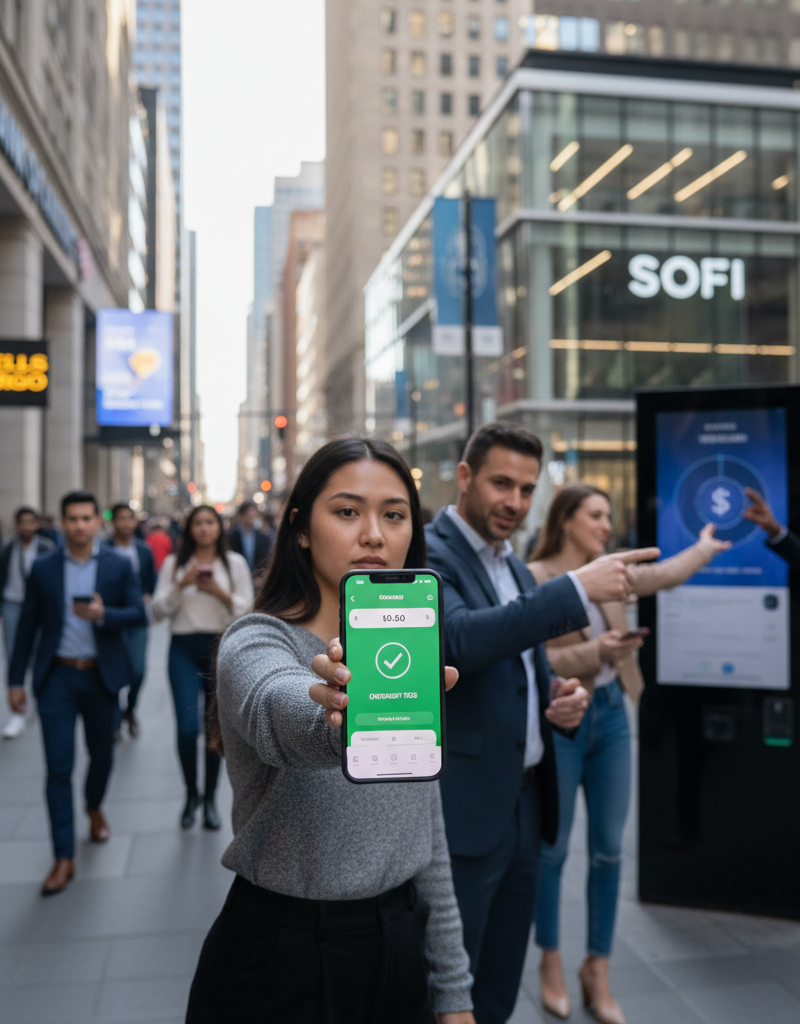
From CFPB pressure to fintech workarounds: practical, battle-tested moves to keep your cash out of banks’ fee traps.

With bank rates and fintech features changing the rules, short-term T-bills are becoming the new default for emergency cash. Practical steps for a safe, higher-yield approach.

A practical, skeptical look at the fintech cash-management boom: how savers are chasing yield, what they risk, and how to keep your emergency money safe.

From fintech sweep accounts to online banks and I Bonds: practical moves, FDIC vs SIPC trade-offs, and the overlooked costs that change the math

New AI budgeting tools promise automatic subscription detection, smarter cash-allocation and tax-aware moves—here's what actually works, and what's risky.
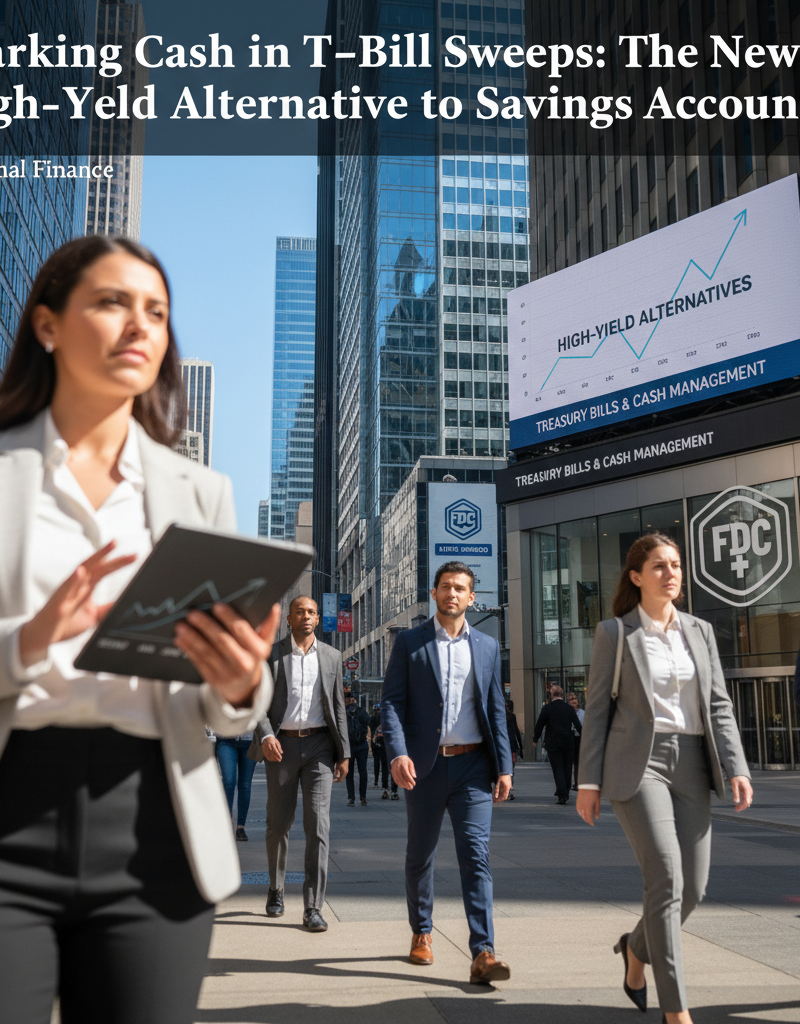
Brokerage cash-sweep programs are turning idle deposits into short-term Treasuries. Here’s what that means for yield, safety, taxes and liquidity.

As rates stay elevated, smart savers are shifting emergency funds from traditional savings into brokerage T‑bill and government sweep options. Here’s what to consider—and how to move.

SECURE 2.0 let employers match student loan payments to retirement plans. Here's a concise playbook to capture the match, weigh the trade-offs, and run the numbers.

AI-powered bill negotiation apps promise instant savings on subscriptions and cable. Here’s how they work, what they hide, and when to trust them with your money.
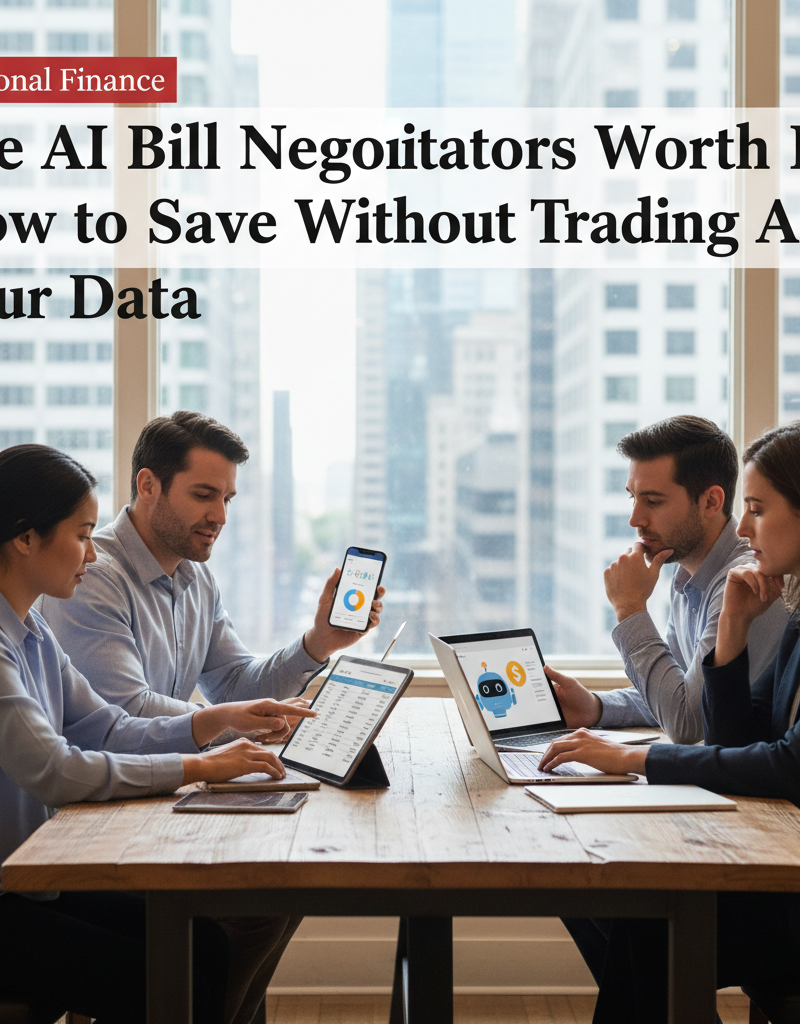
New AI-driven services promise fast savings on cable, phone and streaming bills. Here’s what they really do, what they charge, and when to DIY instead.

Fintech apps now use machine learning to pick when to move pretax retirement money into Roth accounts. Here’s how the tech works, who benefits, and what to watch for.

New retirement rules are converting some catch-up contributions into Roth deposits. That sounds progressive — until you get the tax bill. Here’s how to respond.

New consumer apps use AI to cancel subscriptions and haggle down monthly bills. They can save you money fast—but privacy, fees, and rising corporate responses complicate the picture.

New apps use machine learning to cancel, negotiate and recover subscriptions you no longer need — but not all wins are free. Here’s what to try and what to avoid.

More employers are directing matching contributions into Roth buckets. Here’s how that changes your tax math, when it helps, and what to ask HR before you opt in.

Fintechs and wealth platforms now route idle cash into short-term Treasuries and money-market vehicles using AI—higher yields, different risks. What to actually watch for.

From automated bill negotiation to paycheck smoothing—what these new AI copilots do, what they hide, and how to use them without losing control of your money.

From real-time spending nudges to automated savings, AI budgeting apps promise smarter money — and fresh risks for privacy, debt and financial fairness.

A new wave of retail demand is moving idle cash into 1–3 month T‑bills. Here's who benefits, who loses, and the playbook everyday Americans should know.

AI-powered planners promise smarter, cheaper retirement and tax moves. They can help, but smart consumers will treat them like tools, not sages.

Brokerage firms are winning a cash-yield arms race. Before you move your emergency fund, know the trade-offs, hidden mechanics, and smarter alternatives.

Short-term Treasuries often top high-yield savings. Savers are building laddered T-bills to lock yields, cut state taxes, and keep liquidity. How to do it right.
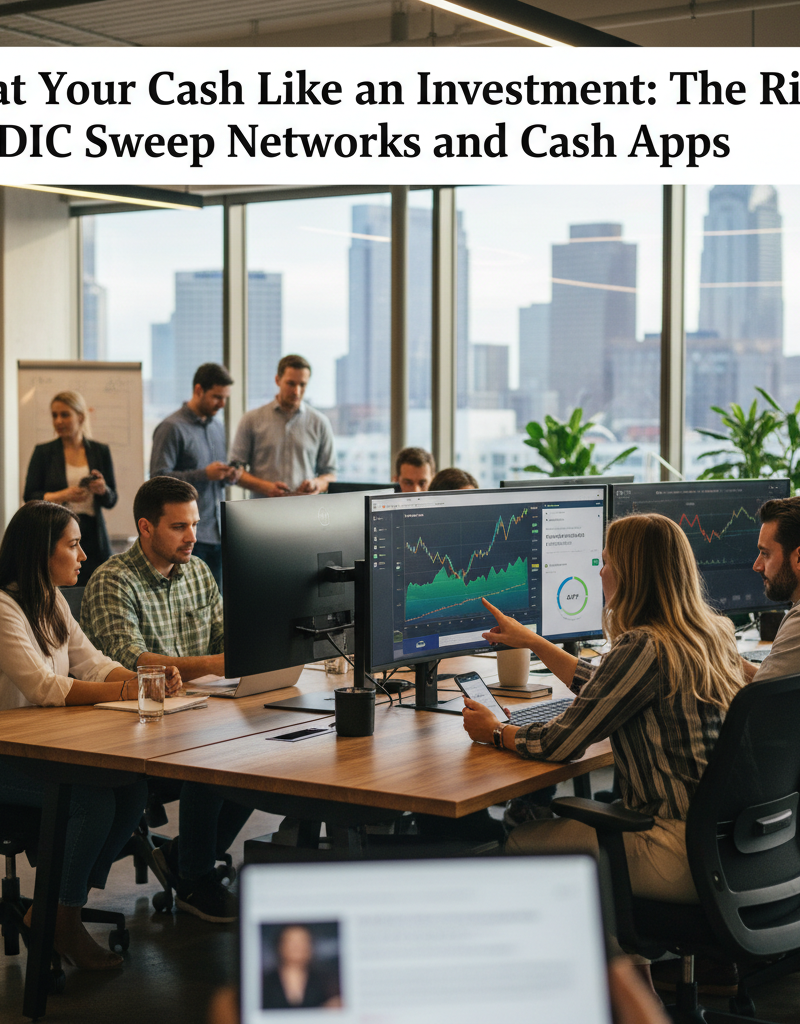
Fintechs are using bank-sweep networks to offer higher yields and expanded FDIC coverage. Here’s what that means for your emergency fund and where risk hides.

From automatic budgeting to tax-loss harvesting, AI-first apps promise personalized money decisions — and a new set of trade-offs for American savers.
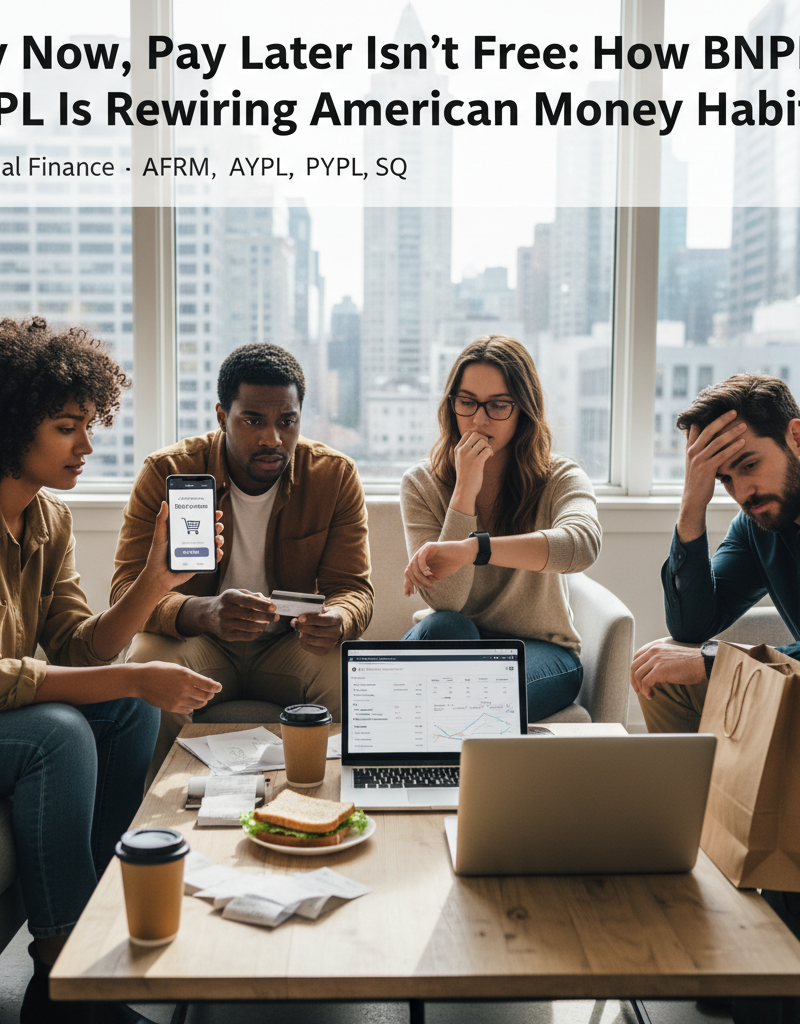
From Apple Pay Later to Affirm, installment checkout is reshaping spending, credit and savings — and consumers are just starting to feel the trade-offs.

Fintechs promise fewer fees and instant pay. Smart consumers will care about the trade-offs, hidden costs, and practical workarounds.

Online banks are cutting savings yields. Practical, slightly contrarian strategies to preserve liquidity and squeeze more return from your emergency fund.

From automatic tax moves and cash-flow forecasting to bill negotiation and subscription pruning — the new generation of AI money assistants is practical, powerful, and imperfect.

A quiet policy shift is changing 401(k)s, student loan matching and required distributions. Practical moves to protect your retirement and seize new employer perks.

With short-term Treasury yields outpacing many bank rates, fintech sweep programs and T‑bill options are changing where people keep liquidity—what to know before you move.

Short-term Treasuries are outpacing many online savings accounts. Here's a practical, skeptical take on laddering, liquidity, and the trade-offs every American should weigh.

A little-known SECURE 2.0 rule now forces after-tax catch-ups for higher earners. Here’s a clear, practical plan to limit the tax sting and protect your retirement runway.

AI-powered apps claim to beat snowball and avalanche by sequencing payments, negotiating rates, and nudging side income. What works, what doesnt, and who should care.