Final regulation promises clearer disclosures and limits on pay-on-demand fees, but compliance costs could reshape the EWA industry and payroll partnerships.
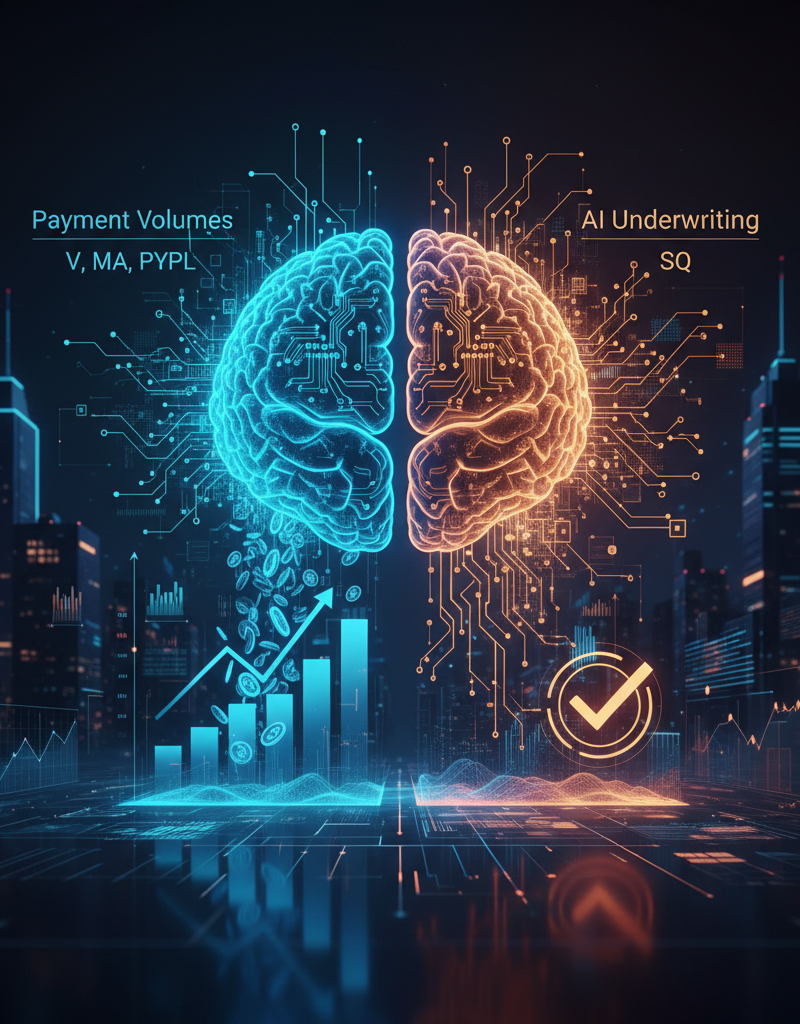
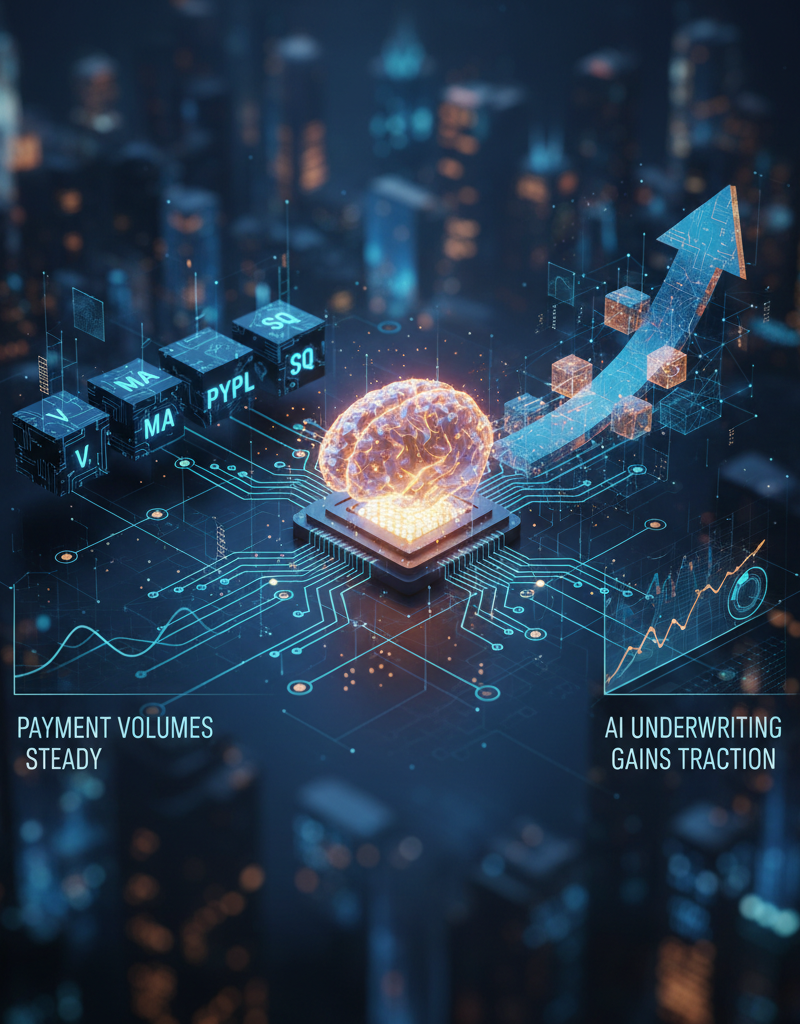
Major fintech players V, MA, PYPL, and SQ reported varying financial results, with payment volumes showing mixed trends and AI underwriting emerging as a key factor in future profitability.
Recent fintech earnings reports highlight varied payment volume growth and the increasing integration of AI in credit underwriting processes by major players.
Major fintech companies report stable payment processing volumes while artificial intelligence is increasingly leveraged in loan underwriting processes.
Recent fintech earnings reports emphasize varied payment volume trends and the increasing integration of artificial intelligence in underwriting processes.
First-quarter results for major fintech companies highlight diverging trends in consumer spending and the increasing integration of artificial intelligence in lending decisions.
Third-quarter fintech earnings reports indicate a divergence in performance driven by payment processing volumes and advancements in AI-powered credit underwriting.
First-quarter fintech earnings reports indicate that robust payment volumes and the increasing deployment of AI in underwriting processes are key growth drivers.
Second quarter earnings reports from major fintech companies will likely focus on payment processing volumes and the efficacy of artificial intelligence in credit underwriting.
Recent fintech earnings reports emphasize sustained payment volume growth across major players, while AI-driven underwriting gains traction in niche segments.
From faster approvals to hidden bias — inside the rush by banks and cloud giants to bake AI into underwriting, and what it means for consumers and investors
Rising rates and regulatory pressure are forcing buy now, pay later into longer-term, subscription-style products — and that changes who wins and who loses.
First-quarter earnings reports from leading fintech companies highlight robust payment processing growth and increased adoption of AI in credit underwriting, shaping the industry's near-term outlook.
Fintechs promise faster approvals and lower rates with machine learning, but fairness, transparency and bank partnerships are forcing a rethink of who gets credit and why.
First-quarter earnings reports from leading fintech firms are anticipated to highlight shifts in consumer payment behavior and the impact of artificial intelligence in credit assessment.
New federal oversight for BNPL isn’t hypothetical anymore — it’s a near-term policy shift that will force product redesigns, push merchant costs higher, and hand advantages to incumbents with banks and diversified fees.
Buy-now-pay-later firms face margin pressure, stricter disclosure demands and a migration back to banks — or extinction. What merchants and consumers should expect.
Buy‑now‑pay‑later players are quietly rewriting the playbook—partnering with banks, leaning on card rails and courting credit reporting to survive scrutiny and thin margins.
First-quarter earnings from major fintech players indicate sustained growth in payment processing volumes and increasing adoption of AI-powered underwriting models.
Recent fintech earnings reports indicate a stabilization in payment processing volumes while artificial intelligence-driven underwriting models show increasing adoption.
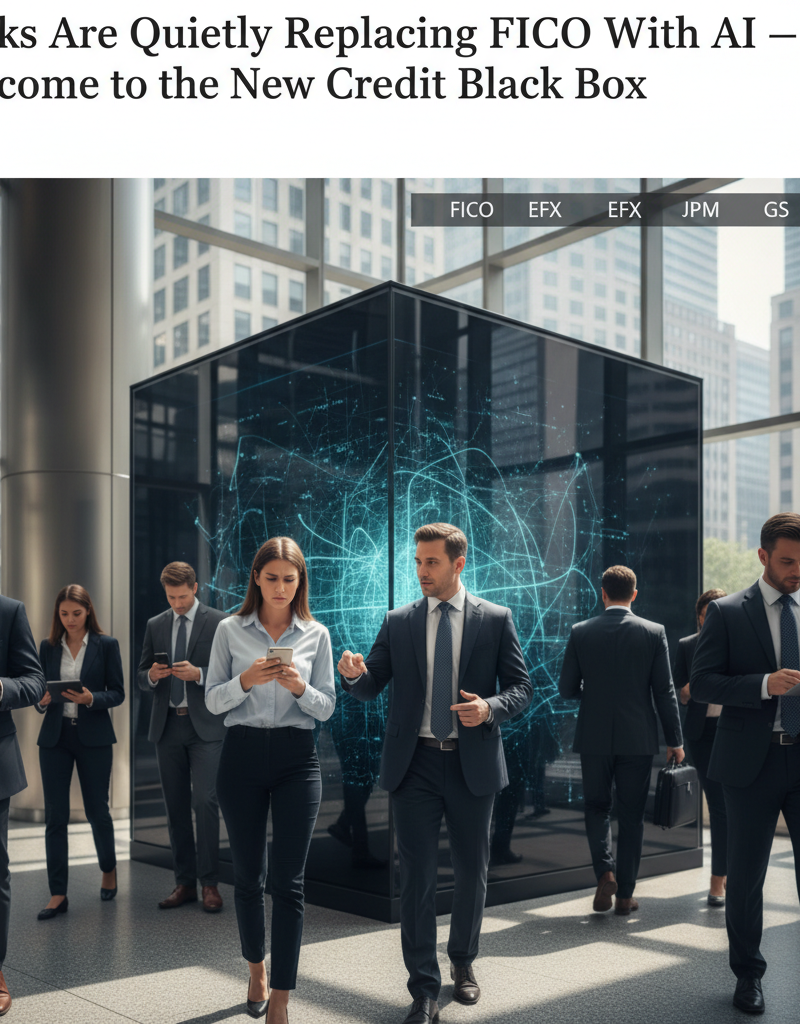
Lenders are shifting to machine-learning underwriting models that promise sharper risk views — and deliver opaque denials, fresh regulatory headaches, and a new battleground for consumers.
Regulators and lenders are moving to report BNPL activity. That means better credit-building for some, bigger risks for others, and a shake-up for fintech stocks and consumer borrowing.
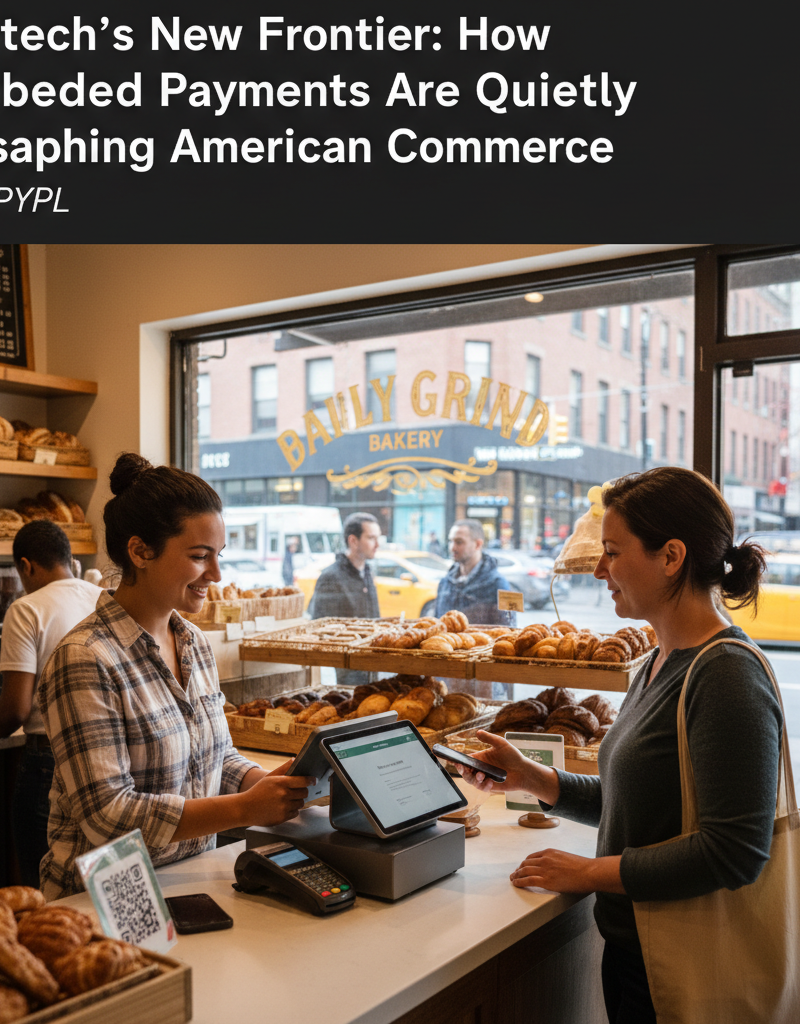
Instant payments are moving from novelty to payroll plumbing. Expect faster pay, new fees, and a battle between payroll platforms, fintechs, and banks over who owns the paycheck.
Apple’s rollout of virtual card numbers and enhanced cashback options for Apple Card users is a subtle game-changer in the US fintech credit landscape.
New advancements in artificial intelligence are reshaping fraud prevention, with fintech startups and banks reporting unprecedented accuracy and speed in protecting consumer finances.