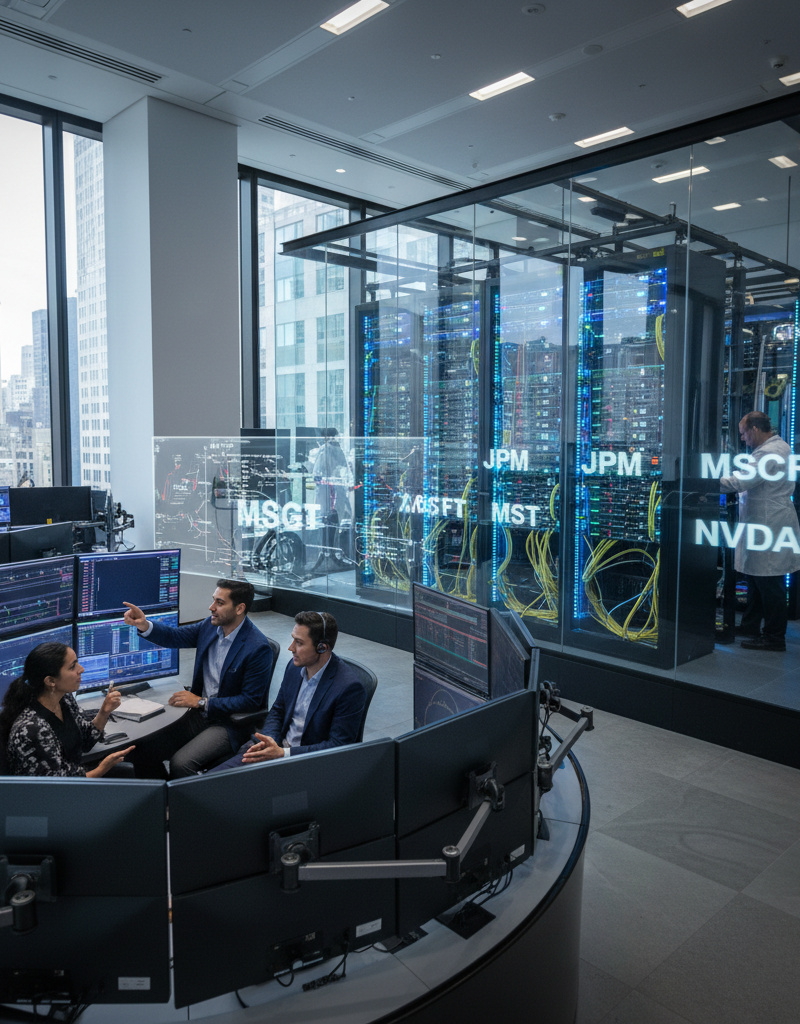
Wall Street's AI Arms Race: Banks, Nvidia and the New Trading Floor
From trading desks to wealth management, banks are embedding generative AI — and the winners may be the chip and cloud providers more than the banks themselves.
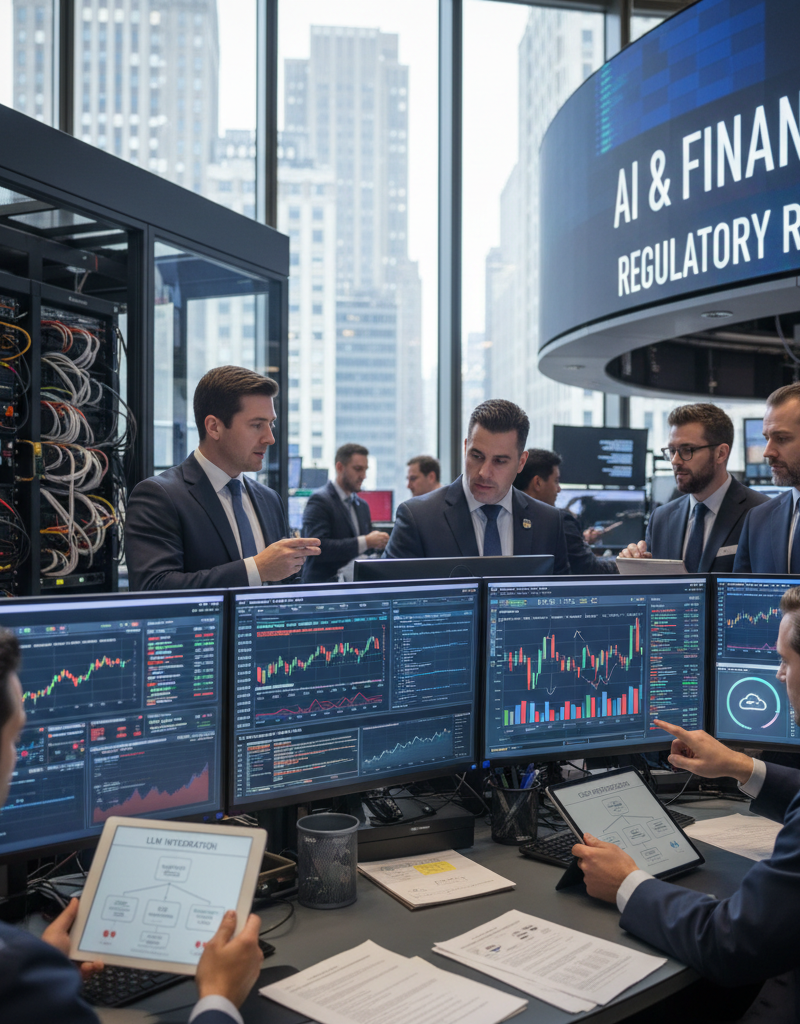
Wall Street’s LLM Gamble: Cost Cuts, Compliance Headaches
Banks and trading desks are sprinting to adopt large language models — promising efficiency but exposing firms to cloud bills, model risk exams and investor scrutiny.

Wall Street Embraces ChatGPT — Are Banks Ready for the Compliance Trap?
Generative AI promises big savings and faster service for banks, but model risk, data leakage, and new regulation could turn that upside-down unless firms get governance right.

Banks Bet Big on Generative AI to Fight Money Laundering — At What Cost?
As major lenders roll out AI-powered AML tools, efficiency gains are real but model risk, bias, and regulatory scrutiny could make savings more elusive than headlines suggest
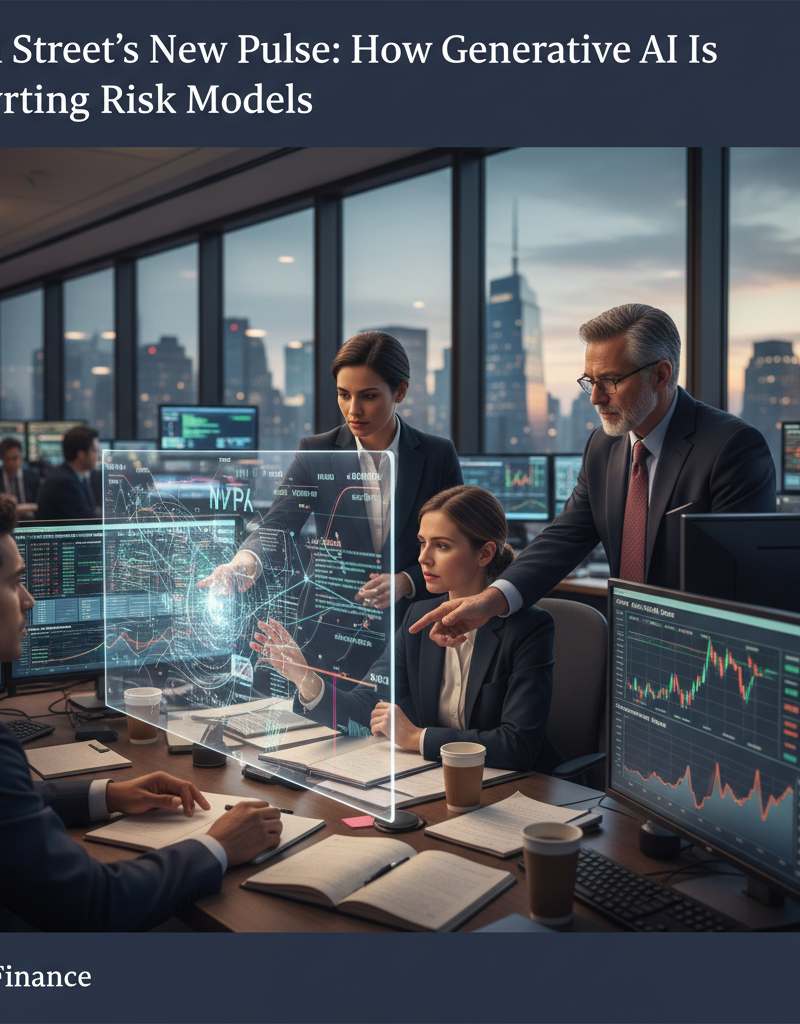
Wall Street’s New Pulse: How Generative AI Is Rewriting Risk Models
Banks and quant shops are folding generative AI into credit scoring and trading. The payoff is real — but so are the blind spots.
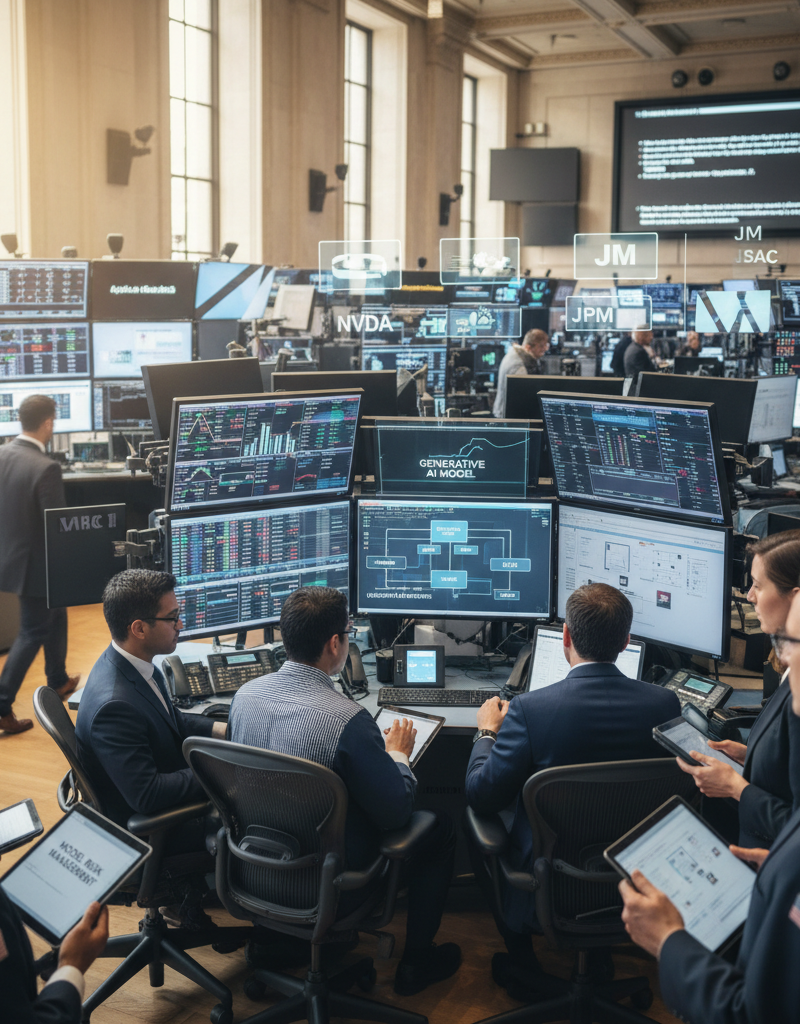
Wall Street's Quiet AI Rush: Banks Bet Big on Generative Models
U.S. banks are accelerating generative AI deployments across lending, trading and operations, chasing efficiency while regulators scramble to set guardrails.

Wall Street's New Power Play: Generative AI and the Race to Rewire Finance
Banks, hedge funds and asset managers are piling into generative AI — promising faster models and cheaper trades, but also new concentration, model and regulatory risks.

When Your Chatbot Signals a Buy: The Hidden Risk of AI-driven Retail Trading
From meme-stock flashbacks to hallucinated option tips, AI tools promise smarter trades — but they could rewrite retail market behavior in dangerous ways.

How Retail Traders Use ChatGPT to Swing Options — and Why It’s Riskier Than It Looks
An unexpected marriage of large language models and retail options trading is reshaping risk, liquidity and regulation. Retail investors are betting big — often with shaky inputs.
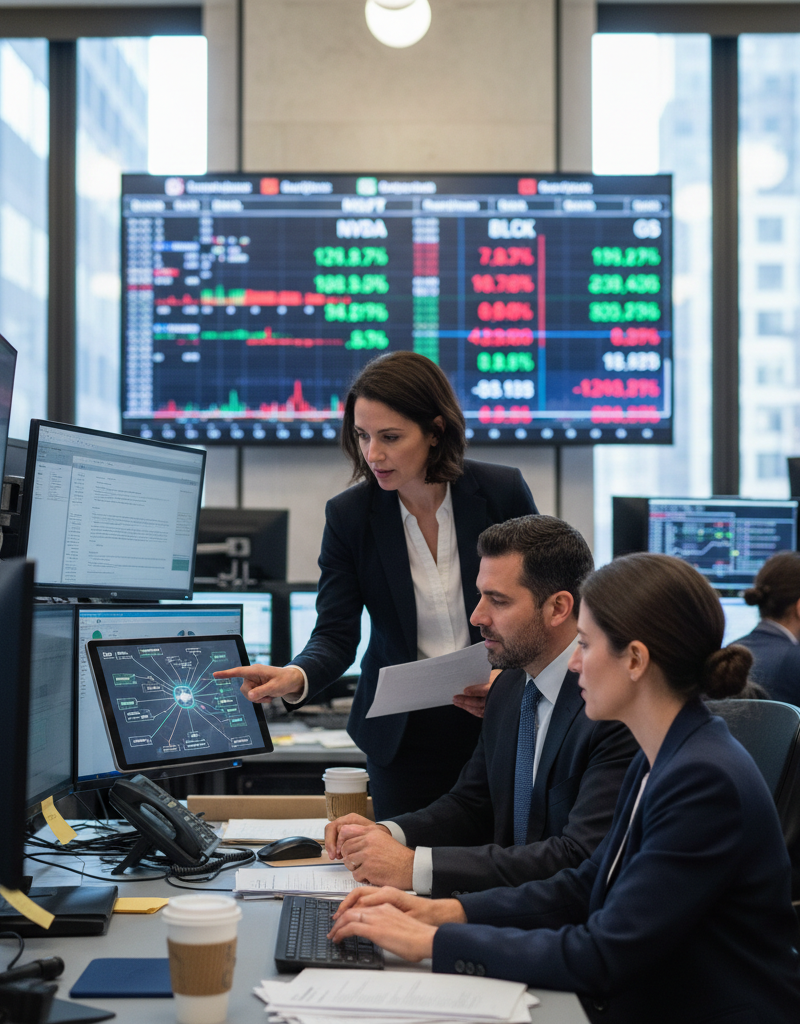
Wall Street's Quiet AI Overhaul: How Generative Models Are Rewriting Portfolio Management
From research memos to client letters, generative AI is moving beyond flashy demos into the plumbing of asset management — and that could reshape fees, risk and jobs.
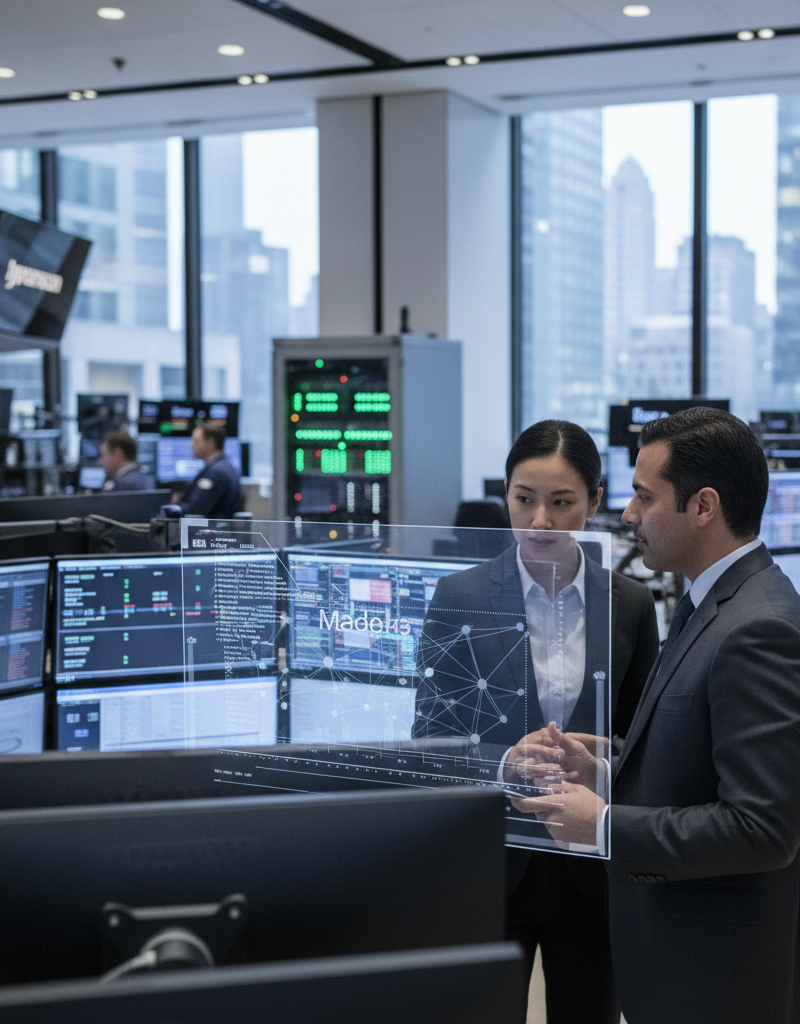
Banks Are Training Their Own ChatGPTs — And the Fed Is Watching
From underwriting to surveillance, major U.S. banks are embedding foundation models into core operations. The move promises efficiency but raises fresh systemic, compliance, and competition questions.
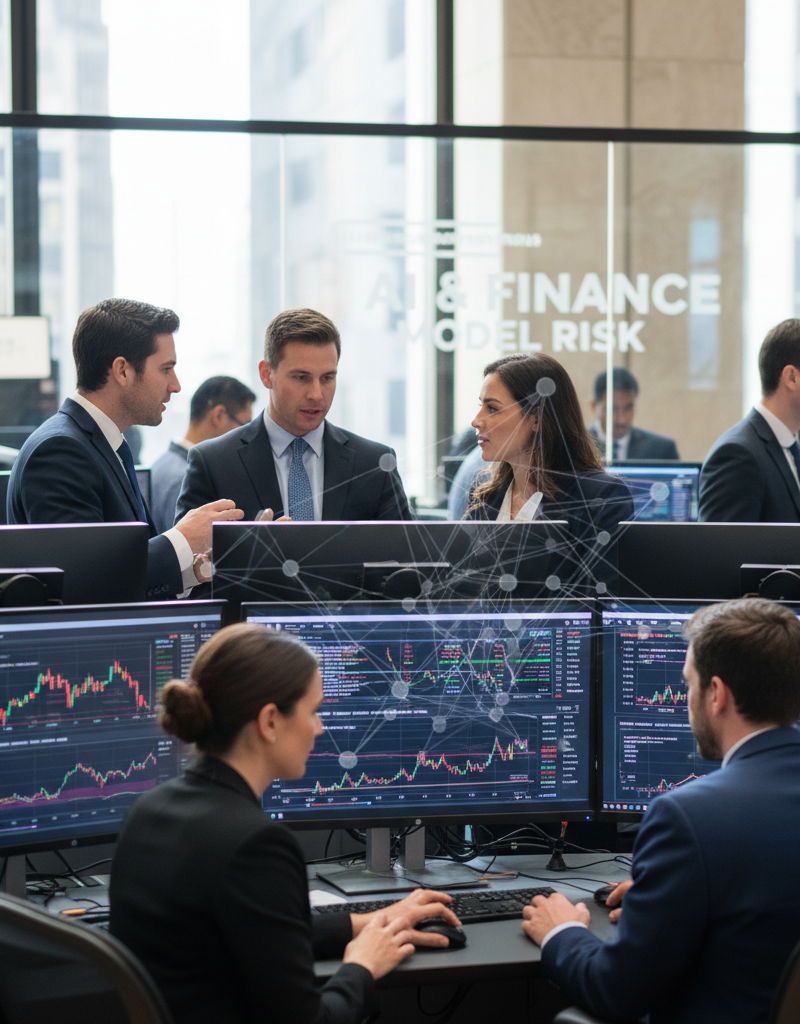
Banks Are Betting Their Balance Sheets on Generative AI — What Could Go Wrong
From underwriting to fraud detection, generative AI promises cost cuts and speed. The catch: hidden model risk, data gaps and regulatory blind spots that investors must track.
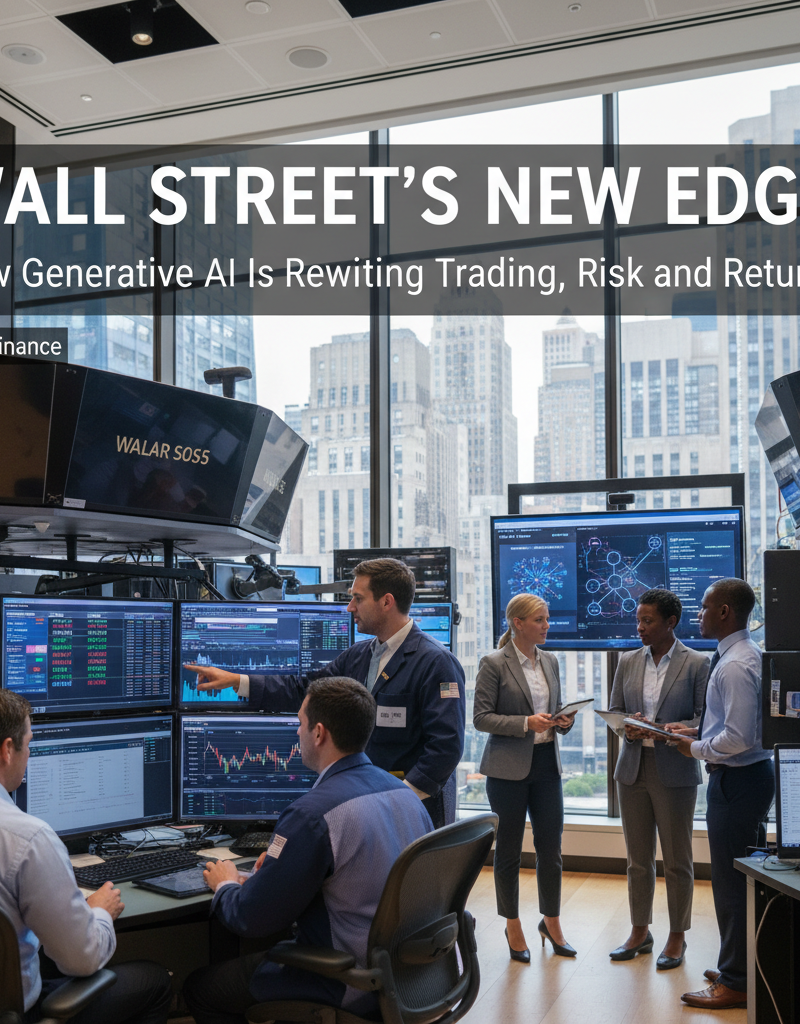
Wall Street’s New Edge: How Generative AI Is Rewriting Trading, Risk and Returns
Banks and hedge funds are folding large language models into trading desks, credit models and compliance — and the winners may not be who you expect.
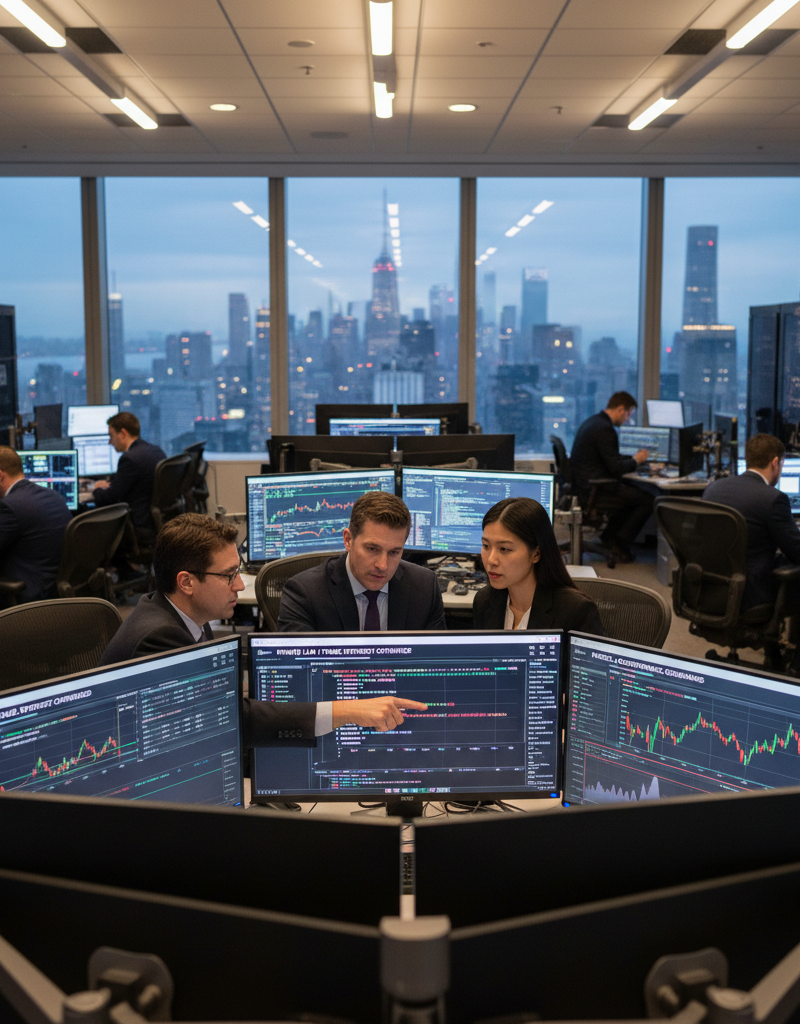
Wall Street's Secret LLM Arms Race: How Private AI Is Rewriting Trading Desks
Big banks and hedge funds are quietly building private large language models for trading, compliance and research — and the ripple effects will touch chips, software, and regulation.

How AI Tools Are Rewriting Earnings Research — What Retail Investors Need to Know
AI-powered summaries of earnings calls and SEC filings promise faster insights but bring new risks. Here’s a practical guide for investors navigating the hype.

AI ETFs Are Quietly Eating Active Managers — Here's What That Means for Your Portfolio
Fee compression, real-time models, and concentrated winners are changing the fund landscape. Investors must separate marketing hype from genuine alpha.
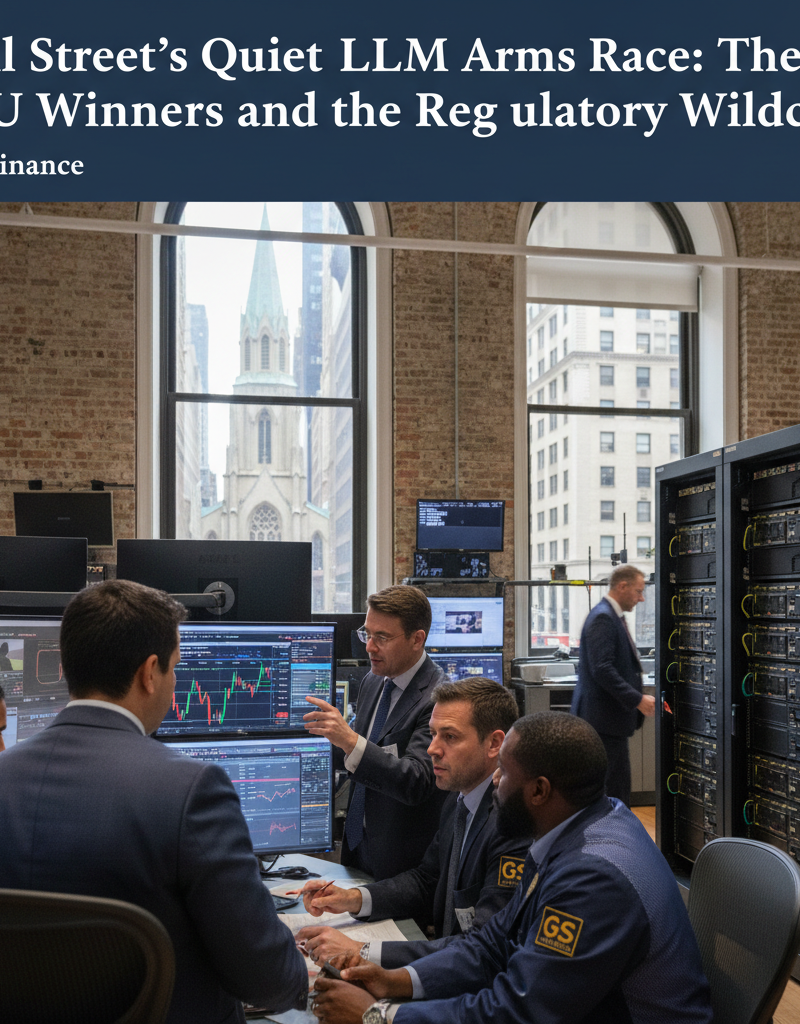
Wall Street’s Quiet LLM Arms Race: The GPU Winners and the Regulatory Wildcard
Hedge funds and banks are folding large language models into trading stacks—Nvidia and cloud providers benefit, but latency, model risk and oversight could reshape the edge.

Wall Street's Quiet AI Bet: When Risk Models Start Making Markets Nervous
Banks and asset managers are folding generative AI into pricing, trading and risk — speed and insight meet opacity and feedback loops, and regulators are watching closely.
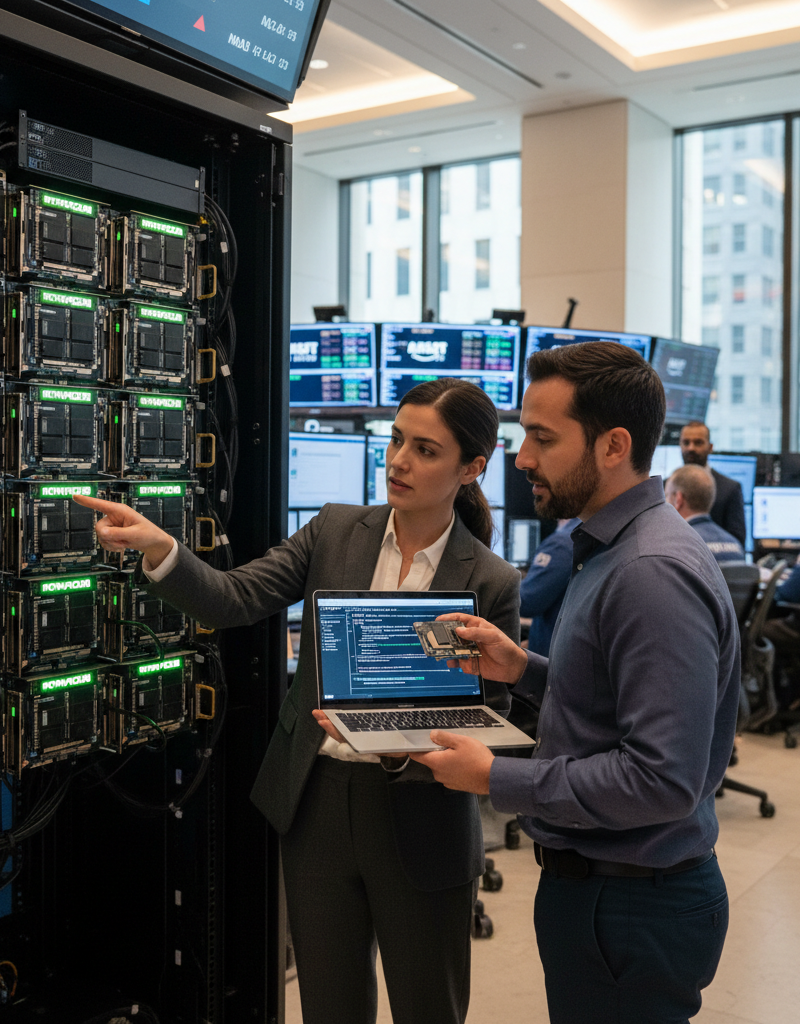
Wall Street's AI Arms Race: GPUs, LLMs and the New Trading Monopoly
Institutions are spending billions on on-prem GPUs and proprietary LLMs. What that means for market structure, retail investors, and the next flash crash.

Banks Sprint to Put Generative AI in Loan Underwriting — Faster Approvals, Hidden Risks
From mortgage desks to credit cards, banks and fintechs are folding large language models into credit decisions. That boosts speed and margins — and raises fresh regulatory and fairness questions.

The New Lending Machine: How Banks Are Using Generative AI — and Why Regulators Are Worried
Generative models promise faster approvals and deeper personalization, but they also reintroduce age-old credit risks in a modern, opaque package.

Wall Street's Secret GPTs: The New Alpha Engine
Hedge funds and banks are quietly training private large language models on proprietary data — costly, secretive, and reshaping who wins in markets.
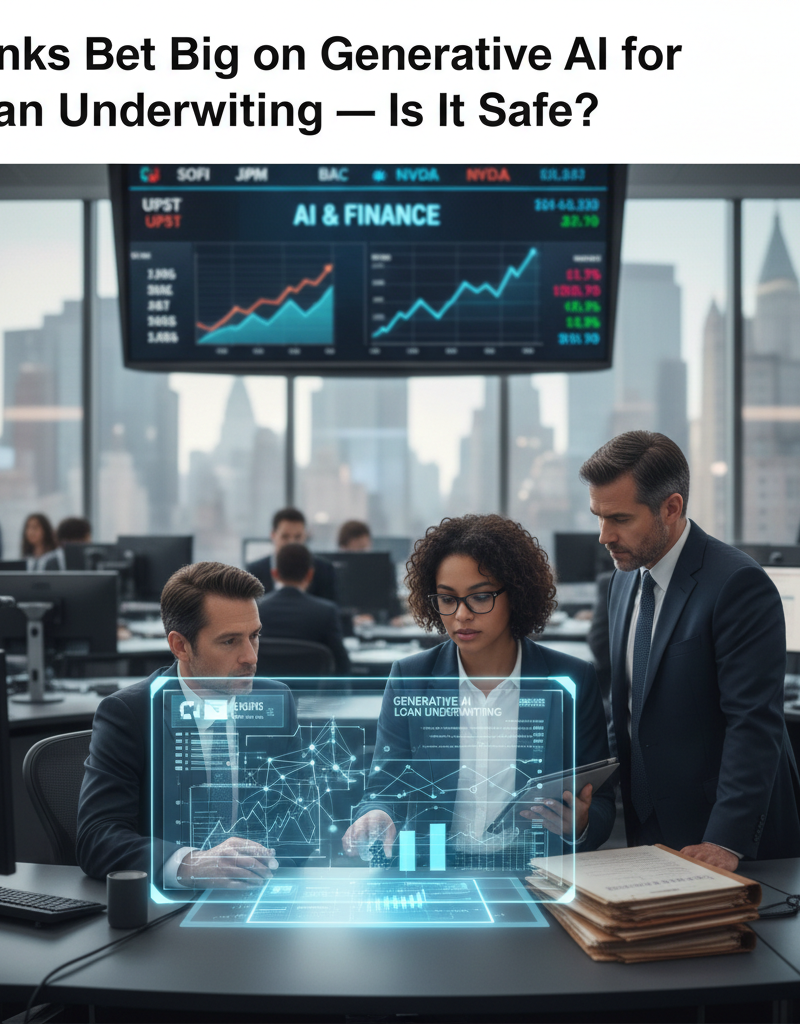
Banks Bet Big on Generative AI for Loan Underwriting — Is It Safe?
From Upstart to JPMorgan, lenders are rolling out models that promise faster approvals and lower losses — and regulators are circling.
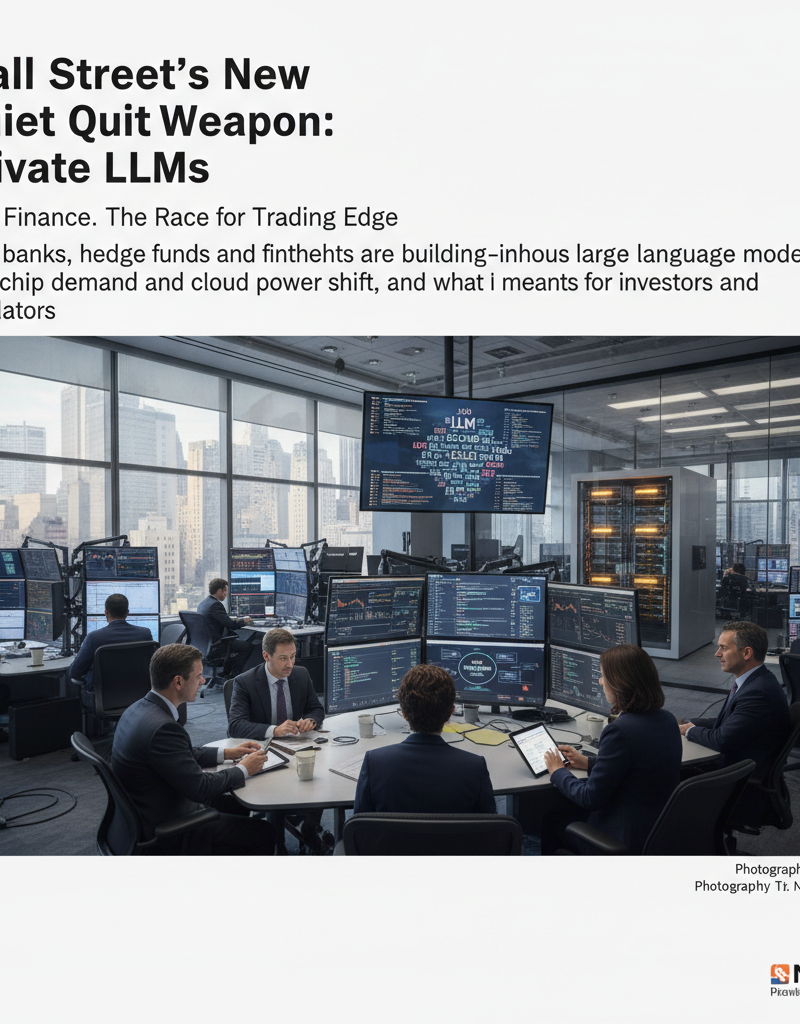
Wall Street's New Quiet Weapon: Private LLMs and the Race for Trading Edge
Why banks, hedge funds and fintechs are building in-house large language models, how chip demand and cloud power shift, and what it means for investors and regulators
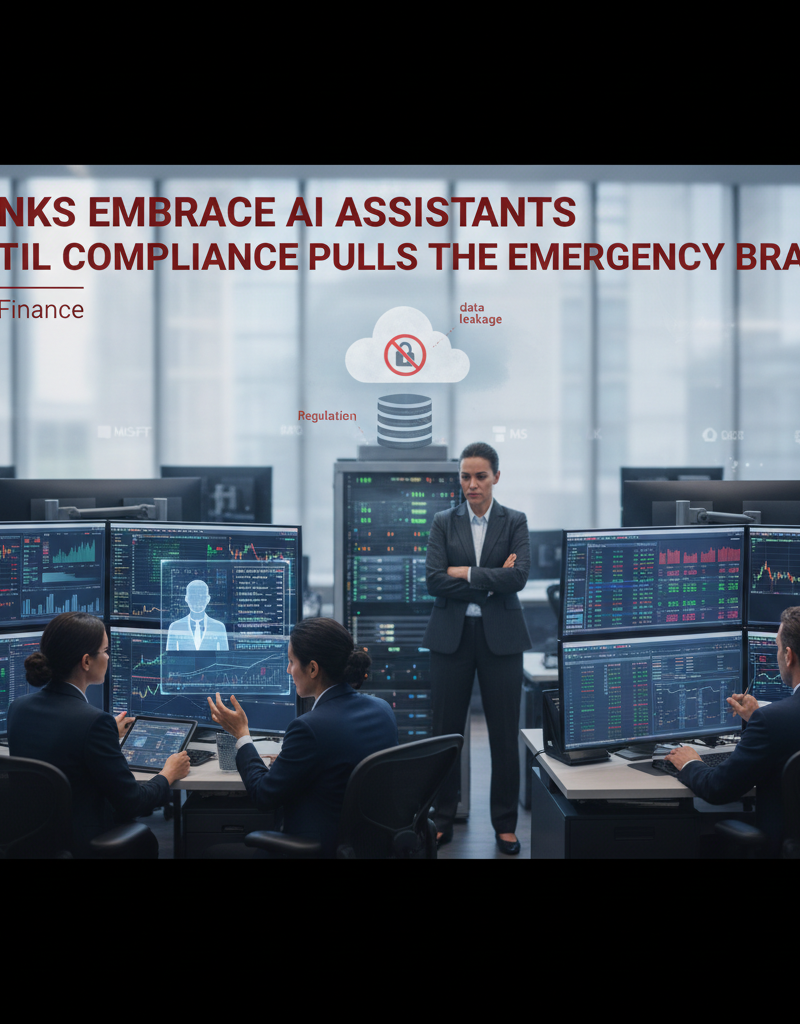
Banks Embrace AI Assistants — Until Compliance Pulls the Emergency Brake
From trading desks to wealth management, generative AI is driving productivity — but data leakage, model drift, and regulators are forcing a cautious course correction.
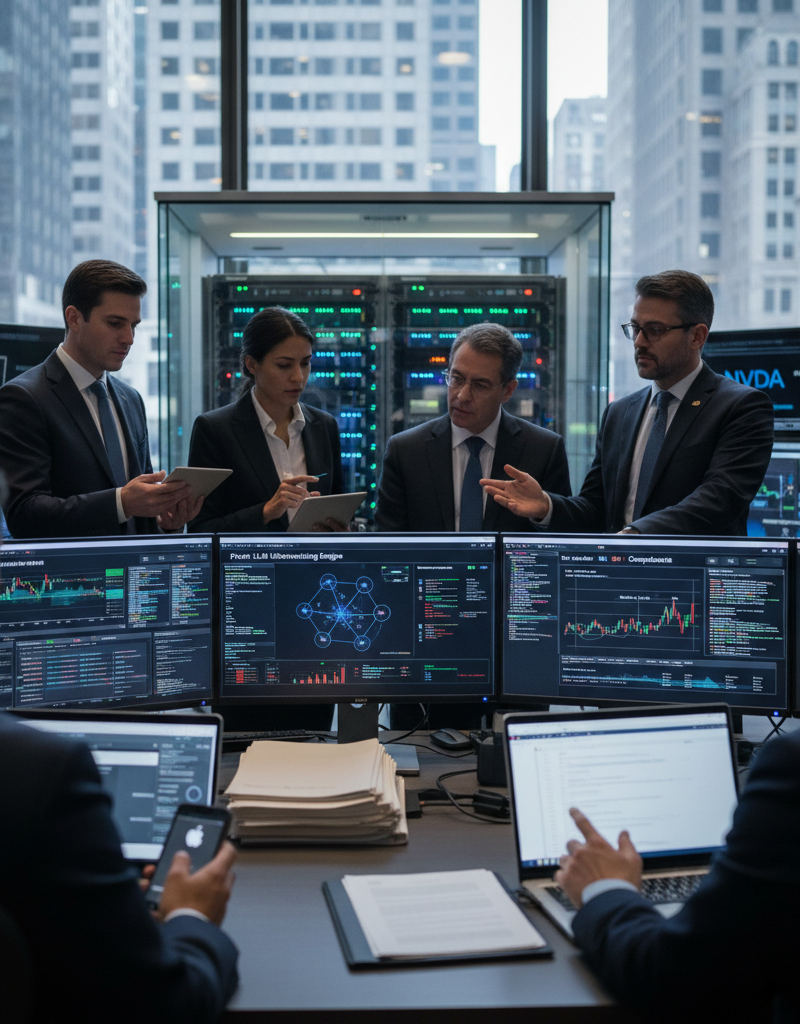
Wall Street's Quiet AI Arms Race: Banks Build Private LLMs to Win Lending
Regional banks and mega-banks alike are racing to deploy private large language models for underwriting, fraud and compliance — but gains come with new risks and regulatory pressure.

Banks Race to Put Generative AI on the Mortgage Desk — Regulators Sound the Alarm
Major U.S. banks and cloud providers are fast-tracking generative AI for mortgage underwriting. That efficiency story collides with fair-lending, explainability and concentration risk.
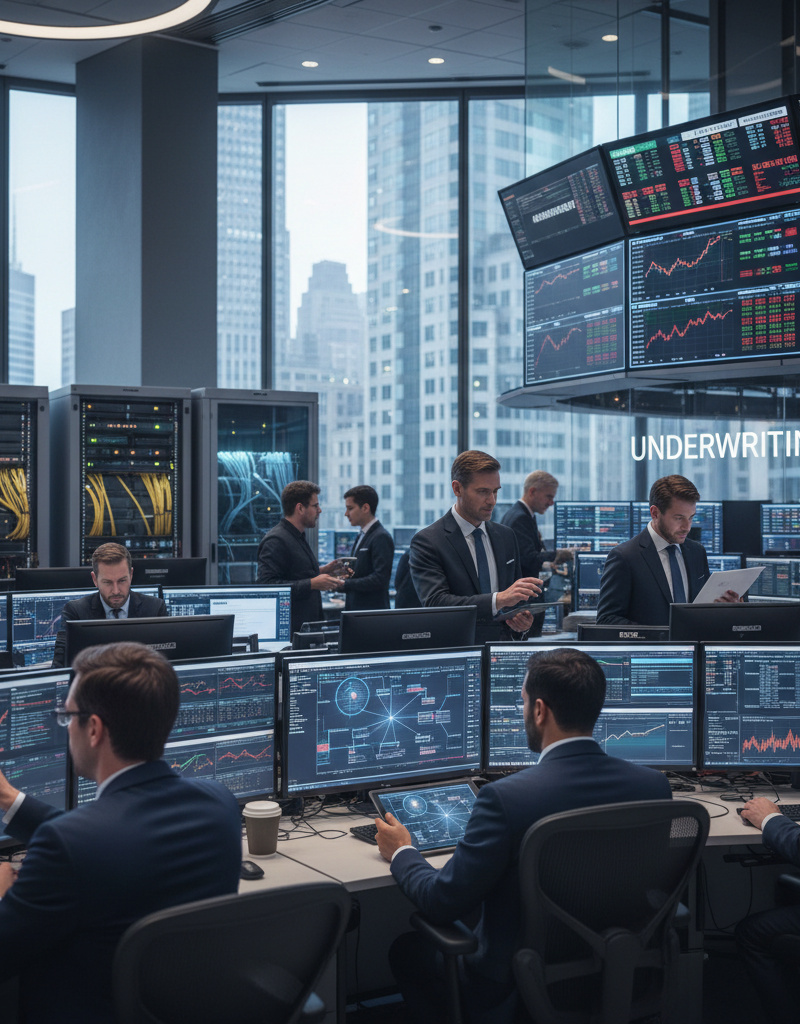
Banks Gamble on Private LLMs — The Quiet AI Arms Race Rewiring Finance
US banks are building private large language models for underwriting, compliance and customer ops — and that bet is shifting dollars toward chips, cloud and niche vendors.
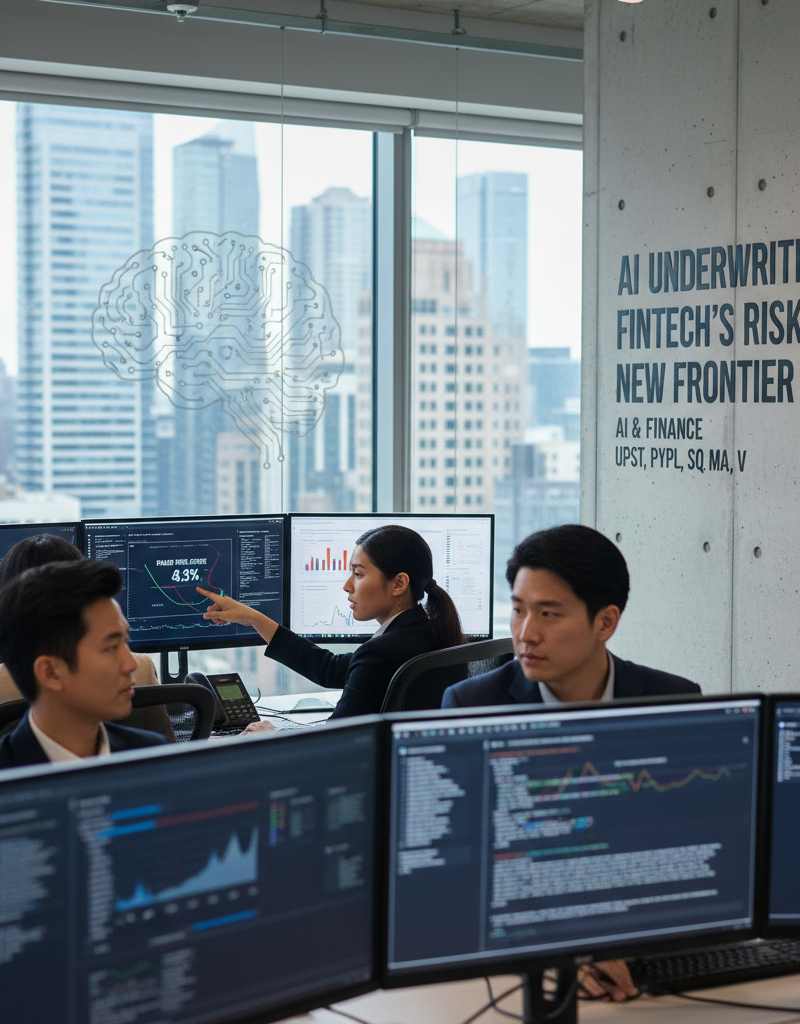
AI Underwriters: Fintech's Risky New Frontier
Lenders and payments firms are replacing human judgment with machine models. The upside is cheaper credit and faster fraud detection — the downside is hidden risk, bias, and a regulatory wake-up call.
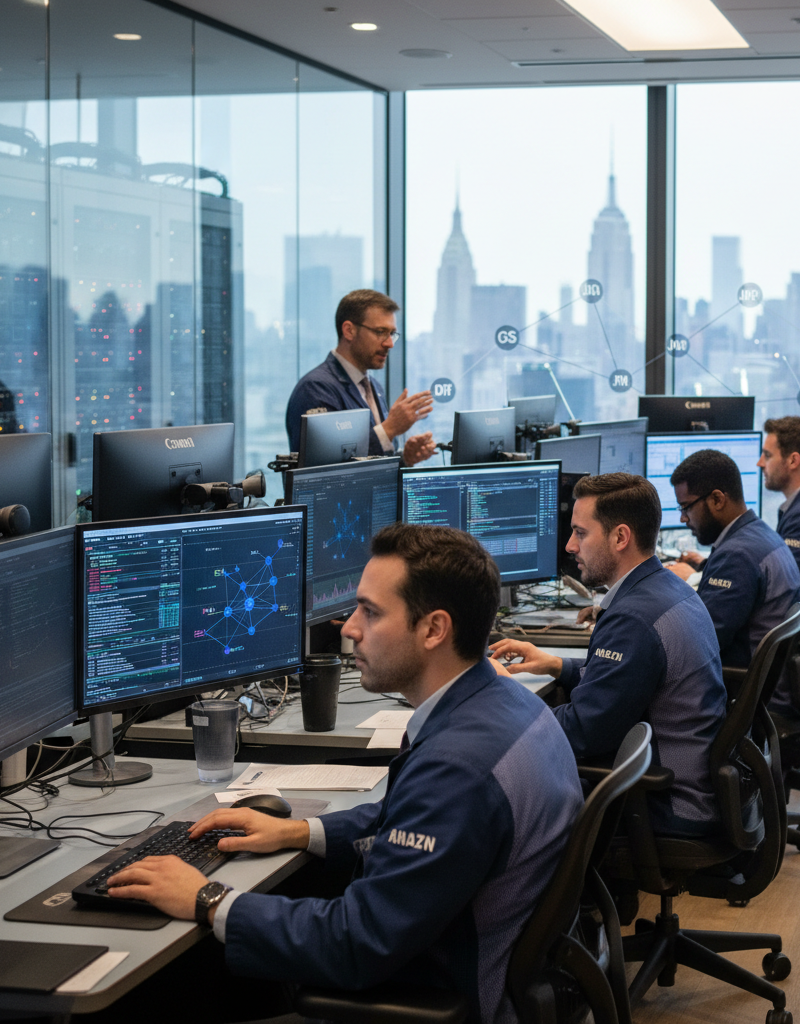
Wall Street's Quiet AI Arms Race: How Banks Are Rewriting Trading, Research, and Risk
From generative models drafting research to GPU-hungry quant desks, banks are building AI into the plumbing. Winners will be infrastructure owners — but surprises await.

Banks Lean on AI to Underwrite Loans — Who Wins and Who Loses?
From FICO to machine learning: fintechs promise smarter lending, but consumers and regulators are pushing back. What the shift means for credit, risk and markets.
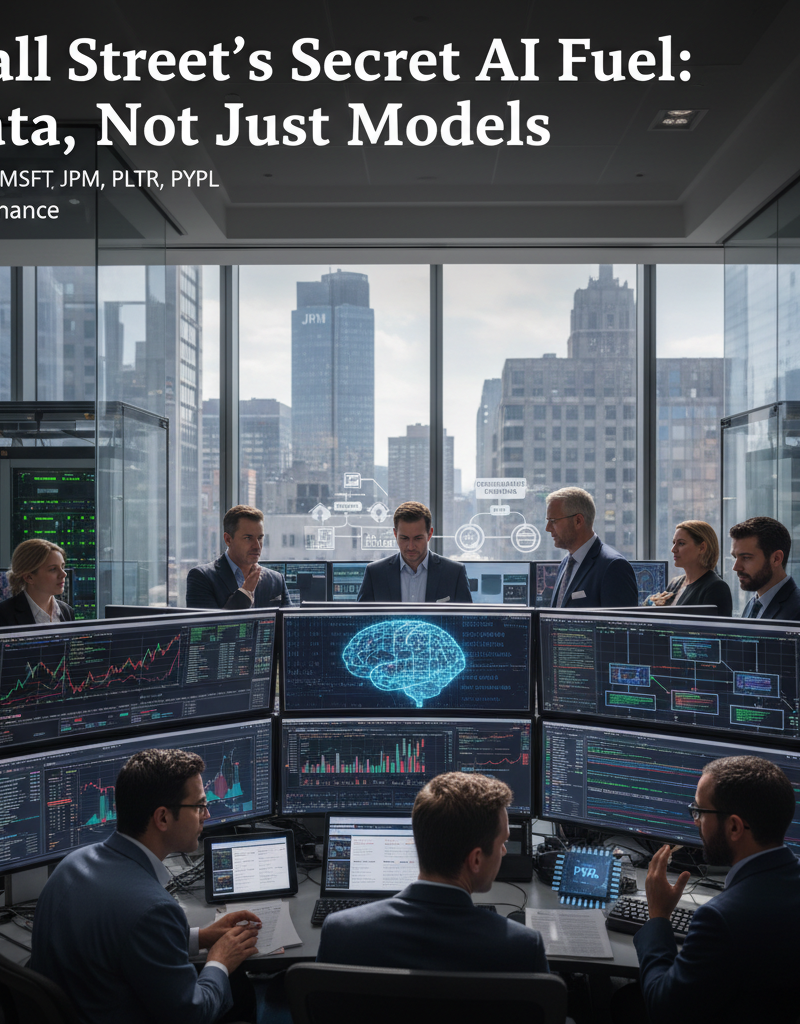
Wall Street’s Secret AI Fuel: Data, Not Just Models
Firms are paying top dollar for proprietary consumer and transaction data to train trading AIs — and that advantage could reshape winners, losers, and regulation.

Banks Are Letting Algorithms Decide Who Gets a Loan — Regulators Are Not Happy
AI credit scoring is spreading through banks and fintechs, promising faster approvals and wider access — but bias, explainability and enforcement risk a backlash.
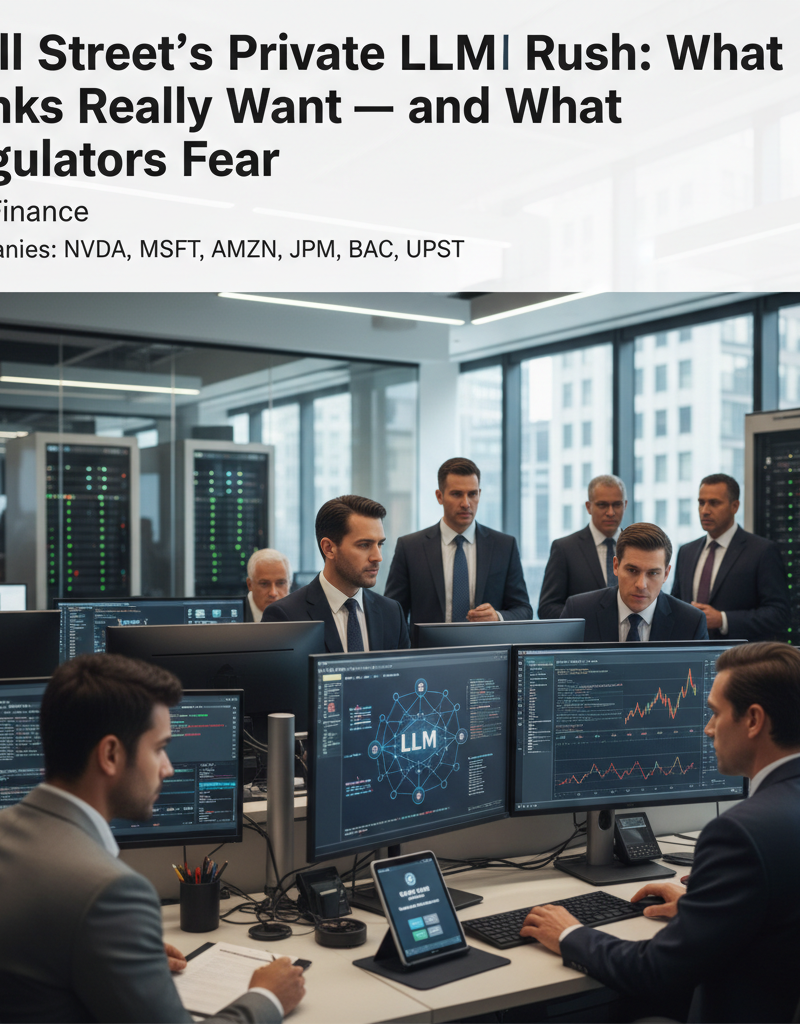
Wall Street’s Private LLM Rush: What Banks Really Want — and What Regulators Fear
Major U.S. banks are racing to run private large language models for lending, customer service, and trading support — a gold rush that creates winners, losers, and regulatory headaches.
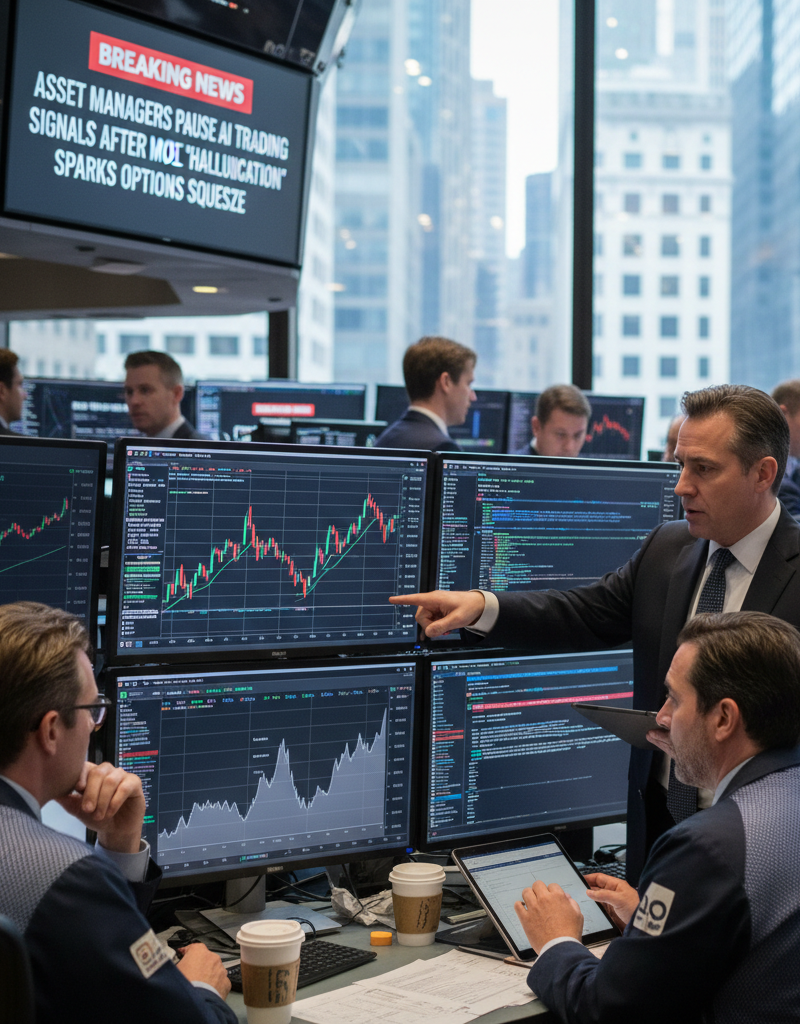
Asset Managers Pause AI Trading Signals After Model 'Hallucination' Sparks Options Squeeze
Several large funds halted automated recommendations after an AI-generated signal mispriced securities, triggering a sharp options spike and fresh calls for tougher oversight.

Banks Bet on AI Credit Scores — FICO's Turf Is Shrinking
Lenders are quietly shifting to cash‑flow and AI models to underwrite borrowers with thin files. It could widen access — and invite fresh regulatory headaches.

Wall Street’s Next Big Bet: AI Models, GPU Wars and the New Center of Gravity in Finance
Generative AI is reshaping trading desks and asset managers — but the advantages are clustering around chips, cloud contracts and talent, not just clever models.

Wall Street’s LLM Arms Race: Banks Build Private AI to Trade — Regulators Take Notice
From bespoke language models trained on order books to GPU supply deals with cloud giants, banks are quietly turning AI into a competitive moat — and a potential contagion.
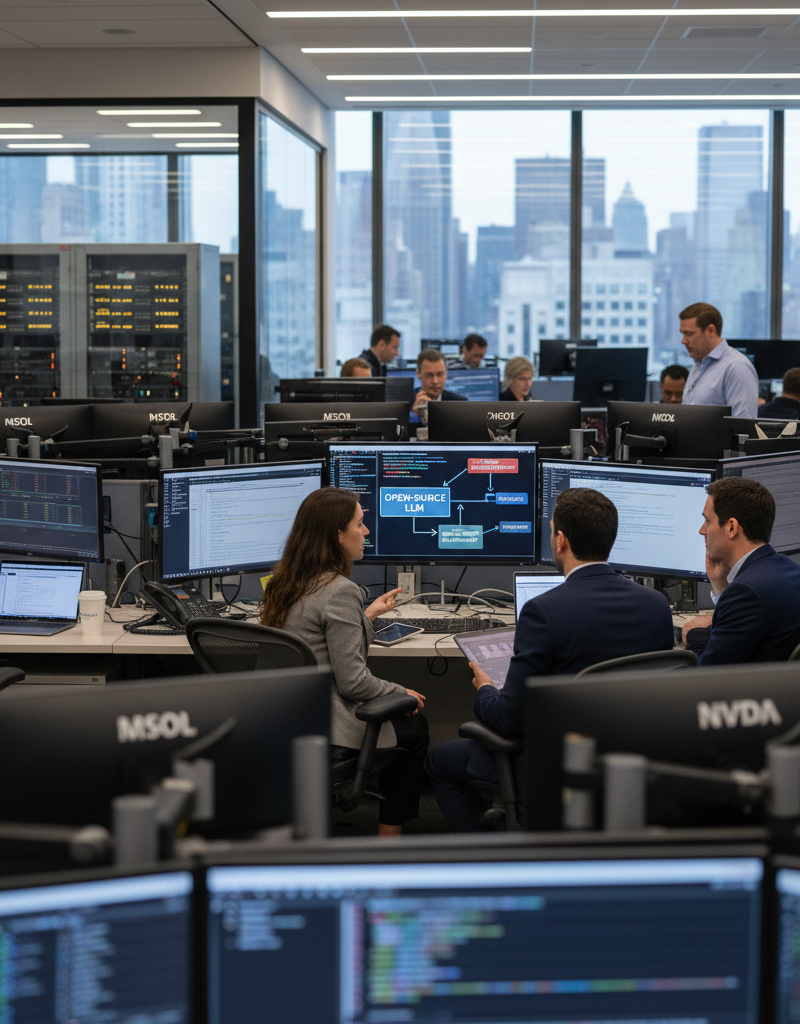
U.S. Banks Are Betting on Open-Source LLMs — Cost Cuts, Control, and Compliance Headaches
Regional lenders and Wall Street shops are shifting AI workloads off big-cloud, embracing open-source models to lower inference bills and reclaim IP — but regulators and security teams are already circling.

Wall Street Shifts Gear: AI-Driven Hedge Funds Outperform Traditional Models in 2024
New data reveals that AI-based hedge funds are leading investment returns this year, signaling a broader transformation in asset management strategies.