From money-market yields to mortgage pain: how persistent Fed tightness and balance-sheet normalization are reshaping banks, bonds and main-street budgets.
As inflation cools unevenly, artificial intelligence is reshaping productivity, wages and the Fed's playbook — here's what markets need to price in now.
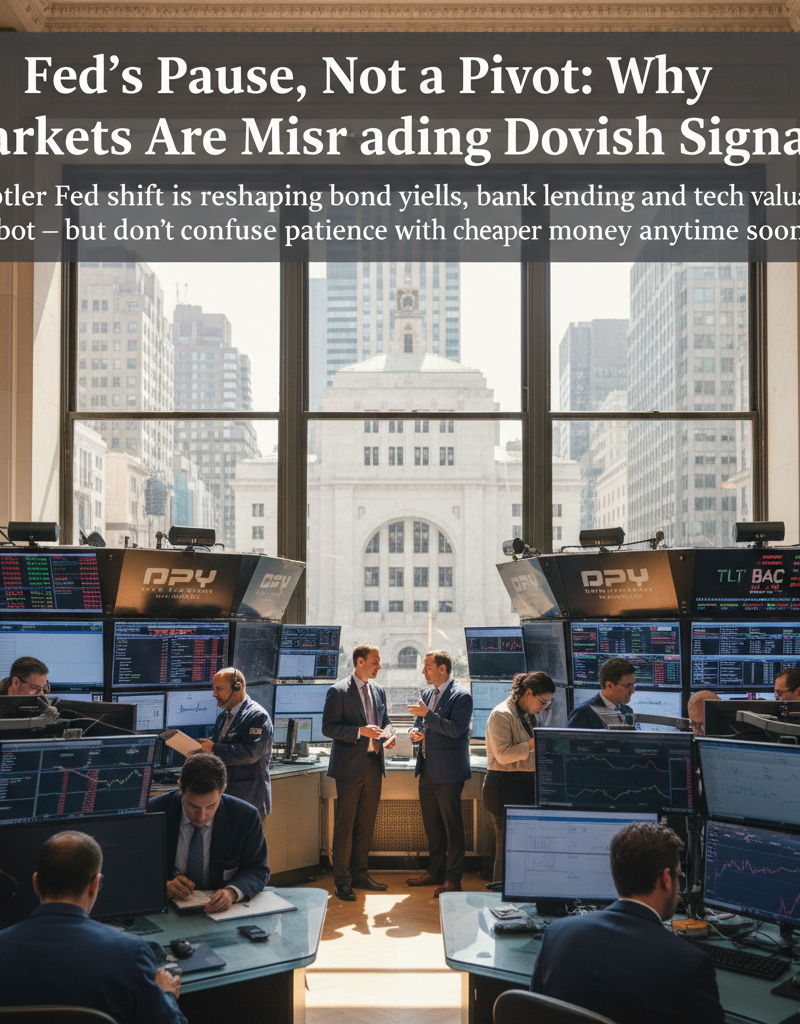
A pause from the Fed doesn’t mean victory over inflation. Sticky services prices and AI-driven labor shifts are remaking monetary policy — and portfolios.
Markets are betting on rate cuts while sticky inflation and a strong jobs market keep the Fed cautious—here's what really moves mortgages, banks and tech.
As inflation cools, the Fed is shifting from headline rate talk to balance-sheet tactics. That subtle pivot will shape banks, bonds, and the next equity surge.
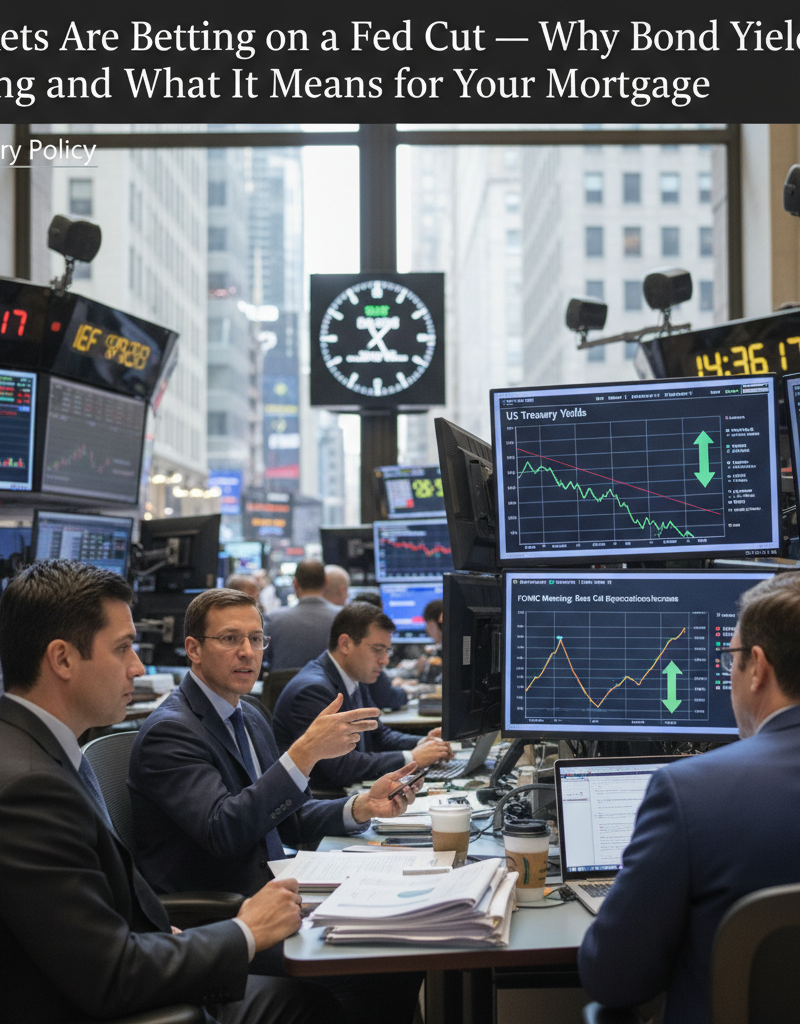
After months of cooling inflation and softer payrolls, the Fed is telegraphing a rate cut. Here’s who benefits, who gets squeezed, and how to position now.
Markets are still betting on rate relief, but sticky services inflation and job resilience keep the Fed cautious. Here's what that mismatch means for stocks, mortgages, and your portfolio.
Recent Federal Reserve hawkish signaling has initiated a re-evaluation of growth technology stock valuations, creating a potential disconnect between market sentiment and long-term prospects.
Markets are pushing expected Fed cuts into the future as sticky inflation and a tight labor market keep borrowing costs elevated — a short guide to winners, losers and policy risks.
Markets are pricing an easy pivot from the Fed, but sticky services inflation, bank lending frictions and balance-sheet mechanics make that consensus fragile.
Markets are pricing in rate cuts, but heavy Treasury issuance and a still-shrinking Fed balance sheet may make a true easing cycle elusive — and that matters for mortgages, tech valuations, and portfolios.
A Federal Reserve pause collides with surging Treasury issuance—keeping yields and borrowing costs higher than many expect. Practical takeaways for homeowners and investors.
A subtle shift in monetary policy is forming beneath the headlines. Traders are late to the table; here are the data points that will force the Fed's hand.
The Federal Reserve's hawkish posture and persistent inflation concerns are leading analysts to re-evaluate the performance trajectory of growth-oriented technology stocks.
As the Fed pares its balance sheet, liquidity is becoming the hidden policy lever. Expect higher mortgage rates, choppier bank stocks, and a new playbook for investors.
Markets are pricing an easing of U.S. monetary policy. Here’s how a potential Fed shift reshapes mortgages, banks, savers and tech valuations — fast, messy, and consequential.
Sticky inflation, heavy Treasury issuance and a resilient labor market are forcing the Fed to rethink a near-term easing. Markets may be underestimating the fallout.
A limited Federal Reserve pilot goes live, testing retail digital wallets, privacy trade-offs, and how banks and crypto firms navigate a new payments frontier.
A shift from expected rate cuts to 'higher-for-longer' has ripple effects on mortgages, banks, tech valuations and the dollar. Here's what Americans need to know.
With inflation cooling but wages and hiring surprisingly firm, the Fed faces a policy trap that could keep borrowing costs higher for longer. Here's a short playbook.
Bond yields are signaling a shift, traders are pricing cuts — and that tension between data and market expectation is creating winners, losers and a narrow path for the Fed.
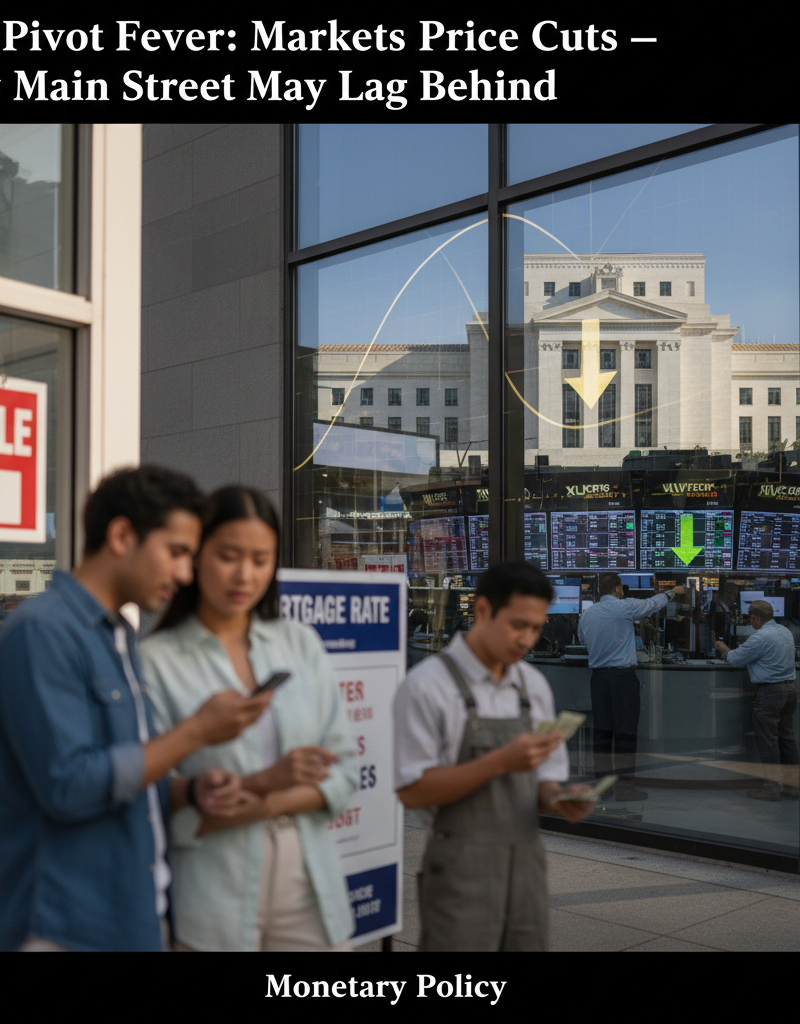
Policymakers are leaning toward gradual easing as inflation proves stickier than projections—here’s what that means for markets, borrowers, and Main Street.
A rapid reassessment of Fed timing is pushing Treasury yields down. Here’s the nuanced take on drivers, risks, and where consumers and investors should look next.
A quieter Fed is colliding with booming Treasury supply and market technicals — and that collision may be the real reason rate cuts are taking longer than expected.
Powell may hint at cuts, but quantitative tightening is squeezing long-term yields. Homeowners, banks and investors need to rethink the 'cut' narrative.
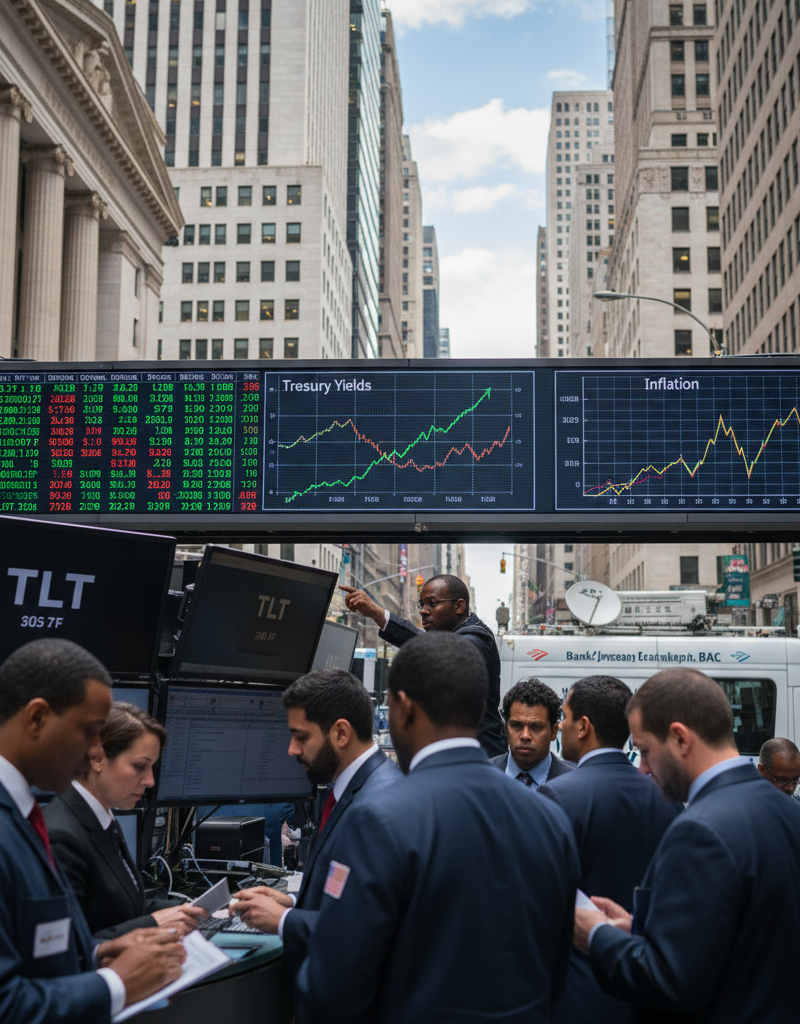
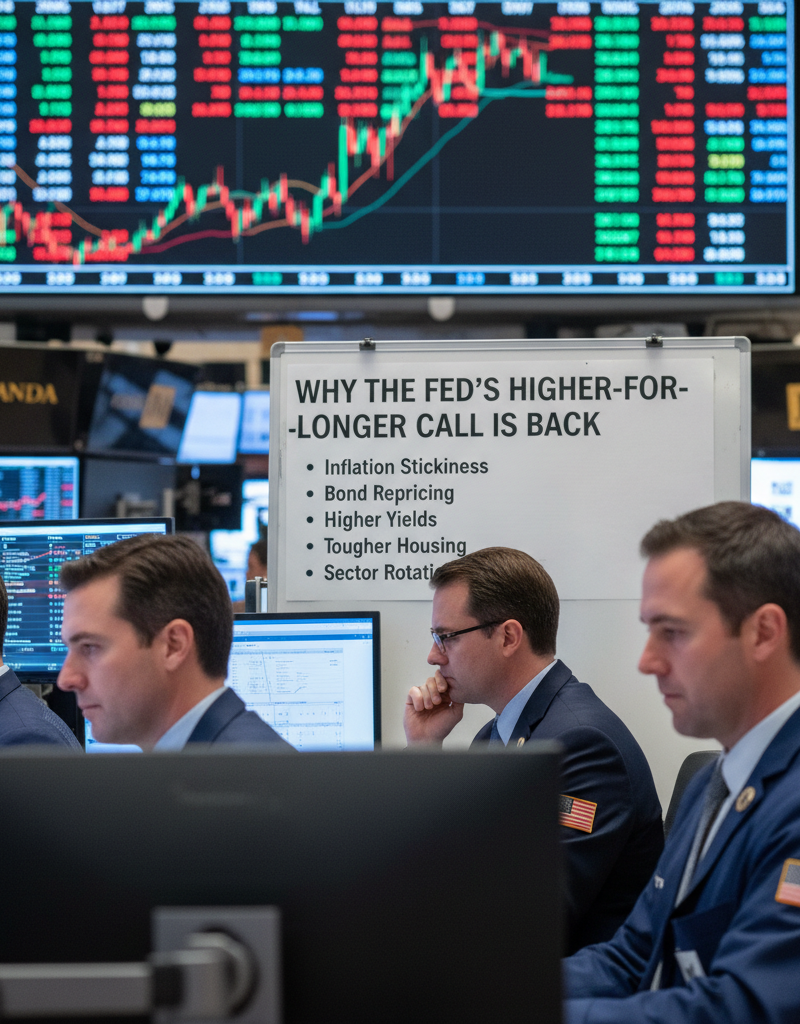
Inflation stickiness and a bond-market repricing are forcing investors to abandon quick rate-cut bets. Expect higher yields, tougher housing, and sector rotation.
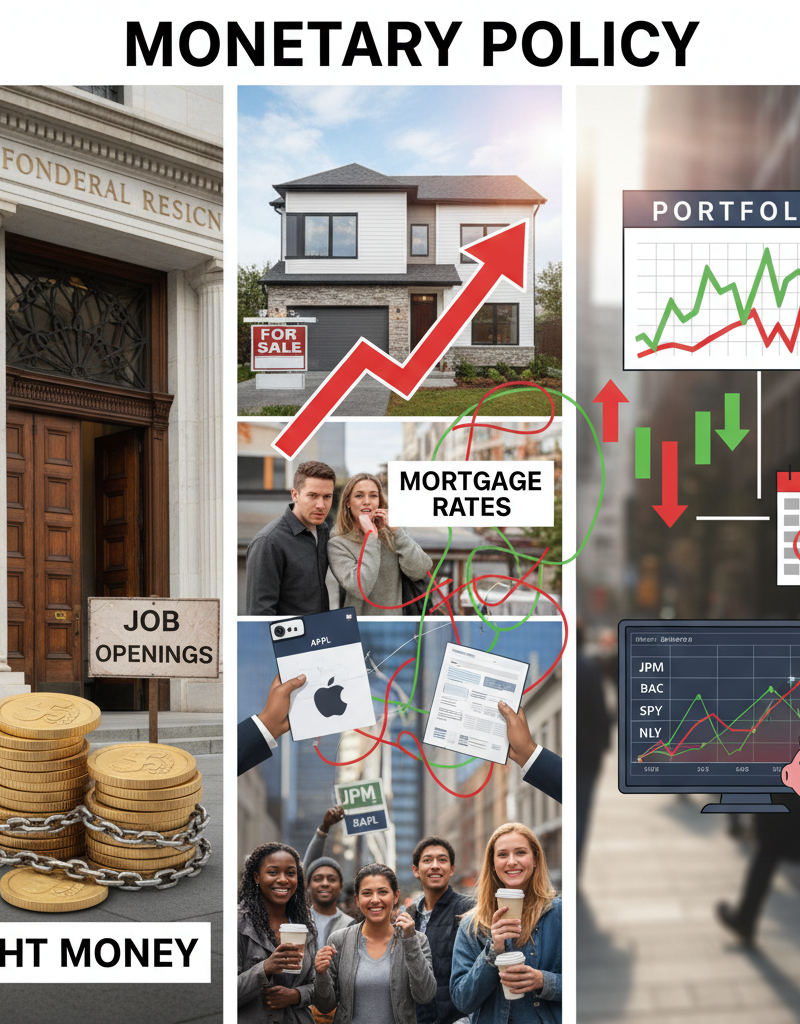
The Fed’s stuck-higher narrative is doing more than stalling refis — it’s reshaping housing, real estate stocks, and where cashflows land in the US economy.
A Fed pause on rate cuts won't calm markets if quantitative tightening and short-term funding pressures continue. Here's what investors should actually watch.